



Yvette Z'Graggen, a pioneering woman
Cinema Wednesdays - Alexandre Wälti
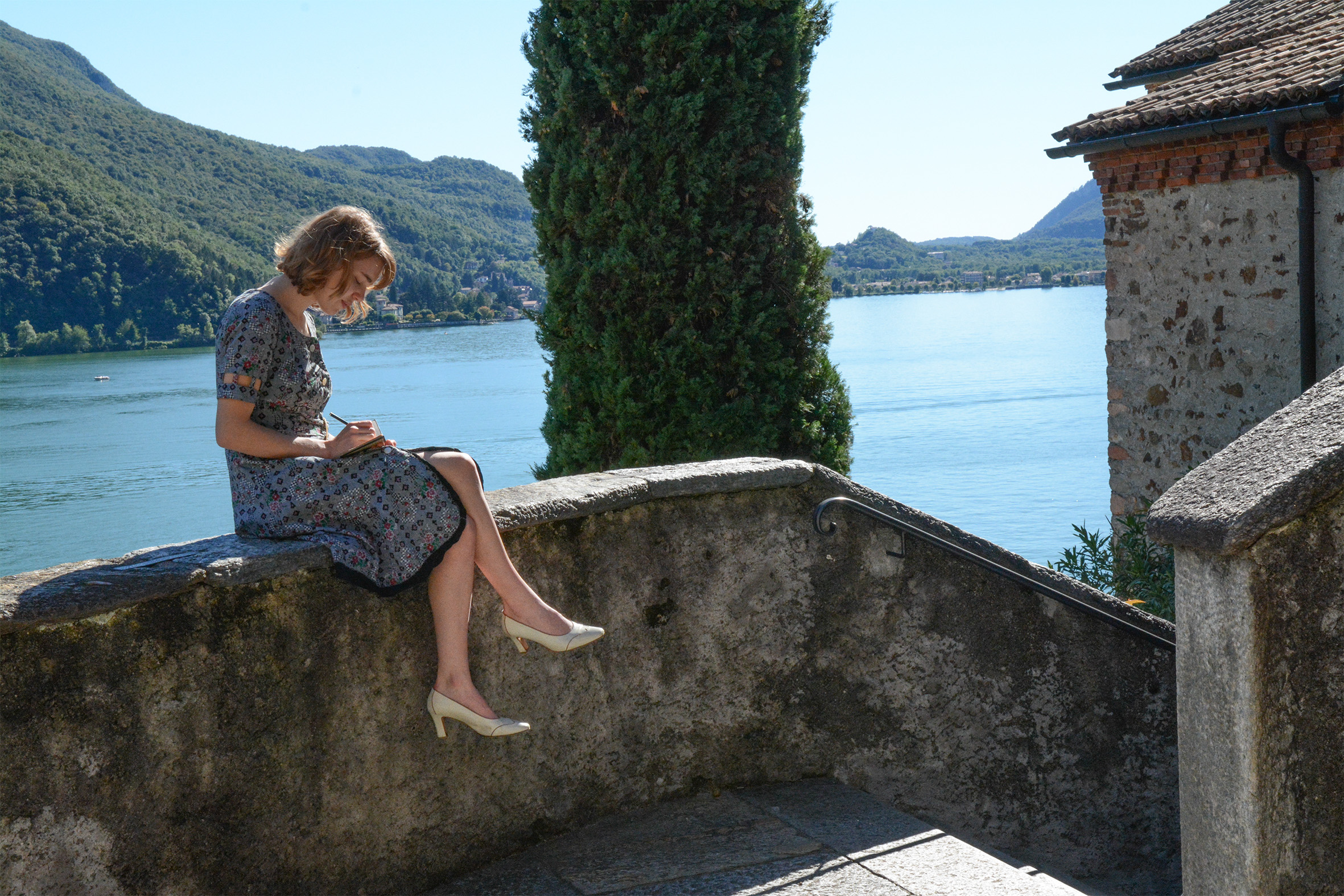
This is perhaps the story of an exile from within. Not only did Yvette Z'Graggen grow up torn between French-speaking Switzerland and her Alemannic origins, but she is also one of those Helvetic writers whose work deserves special attention because it was constructed in direct echo of the events of the twentieth century.th century. A woman who was always ahead of her time, as the documentary Yvette Z'Graggen - A woman at the wheel of her life by Frédéric Gonseth.
Let's start with her need for early independence. Forced? From an early age, she wrote stories to escape reality. She lived through the bankruptcy of a father who was a dentist, a spendthrift and a little too fond of drink, sometimes raising his hand against her mother, while the family gradually plummeted down the social ladder. A car enthusiast suddenly finds himself pedaling a bicycle. A two-wheeler that Yvette Z'Graggen would later use to tour the country during the silent years of the Second World War. A childhood in which the imagination served as a shelter from reality, and which was fuelled from an early age by a need to learn, despite the impossibility - for financial reasons - of attending university.
A woman who heals her scars through writing. A journalist who questioned the great authors of her time on the radio, and whose need to know infuses even her literary work. A continual questioning that leads her, for example, to interrogate her own past by placing it in parallel with the realities of the Second World War in The silent years. Extracts, cleverly chosen from Yvette Z'Graggen's books, are interspersed throughout the documentary, particularly in the fictional scenes.
A woman, then the writer
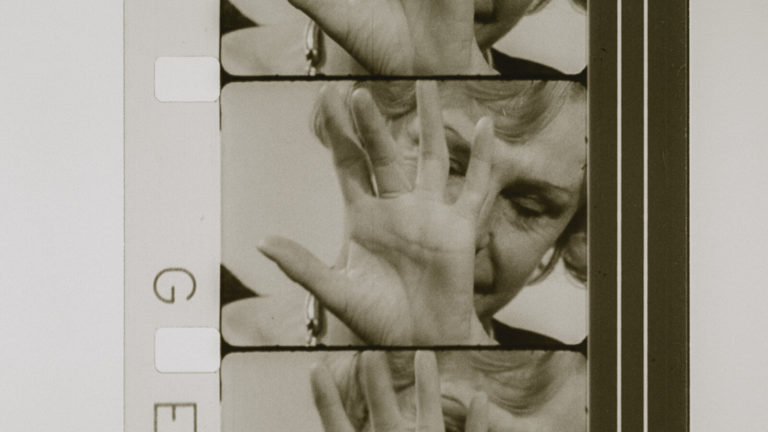
Frédéric Gonseth applies the same process to his documentary. He reconstructs Yvette Z'Graggen's life chronologically, using archive footage and interviews, and in turn parallels history with the writer's day-to-day realities. Two themes that run through her entire life emerge: on the one hand, the fusional relationship between daughter and mother - for this is how she built herself up - and, on the other, the feeling of abandonment that arose, in particular, because of her father, when little Yvette counted the streetcars, hoping to see him come out.
This is the essence of Frédéric Gonseth's choices. A documentary whose main quality is that of shedding light on a writer whose texts have always cohabited closely with the existence of a woman ahead of her time. The content is more interesting than the form. The latter is classic and rather academic: photos, contributions from close friends and family, etc. However, there's a real desire on the part of the documentary filmmaker to leave plenty of room for the original texts. In fact, he includes episodes of fiction in his work, which he shot to bring Yvette Z'Graggen's words to life. Which, frankly, in the case of a documentary about a writer, is more than commendable. Nevertheless, the film lacks a certain fluidity between interviews and excerpts from her work. This specificity also gives the documentary a very didactic character.
Last but not least, the interest lies in the documentary's loving look at a woman with a passion for cars, who lived her love life freely between her twenties and thirties, in other words, in the 1940s. A writer whose writing has always been linked to the history and personal history of women. She chose this freedom and experimented with it until her marriage. A man she later divorced, at a time when such behavior was anything but the social norm.
Once again, Yvette Z'Graggen has had it all her own way ever since she was a little girl. The documentary captures this perfectly. An hour and a half to discover an important, atypical writer. A woman who exiled herself, imagining all kinds of stories, before casting a sharp eye on the political and social realities of her time.
Write to the author : alexandre.waelti@leregardlibre.com
Photo credit: cineworx
Vous aimerez aussi

 French
  German
  English
1 commentaire
[...] Read also: «Yvette Z'Graggen, a pioneering woman» [...]
Laisser un commentaire