In his column, former Federal Councilor Pascal Couchepin shares a book that left a lasting impression on him. This month, it’s an essay by Joseph Yacoub on the little-known history of Eastern Christians.
In his column, former Federal Councillor Pascal Couchepin shares a piece of reading that has left a lasting impression on him. This month, a historical essay by Michel Winock on the Commune, born of the trauma of defeat at the hands of Prussia and a lasting political rift.
With 132 previously unpublished maps, the book co-edited by Corinne Chuard offers a visual and interactive reading of the past. By combining text and images, it sheds light on historical dynamics whose scope extends far beyond regional borders.
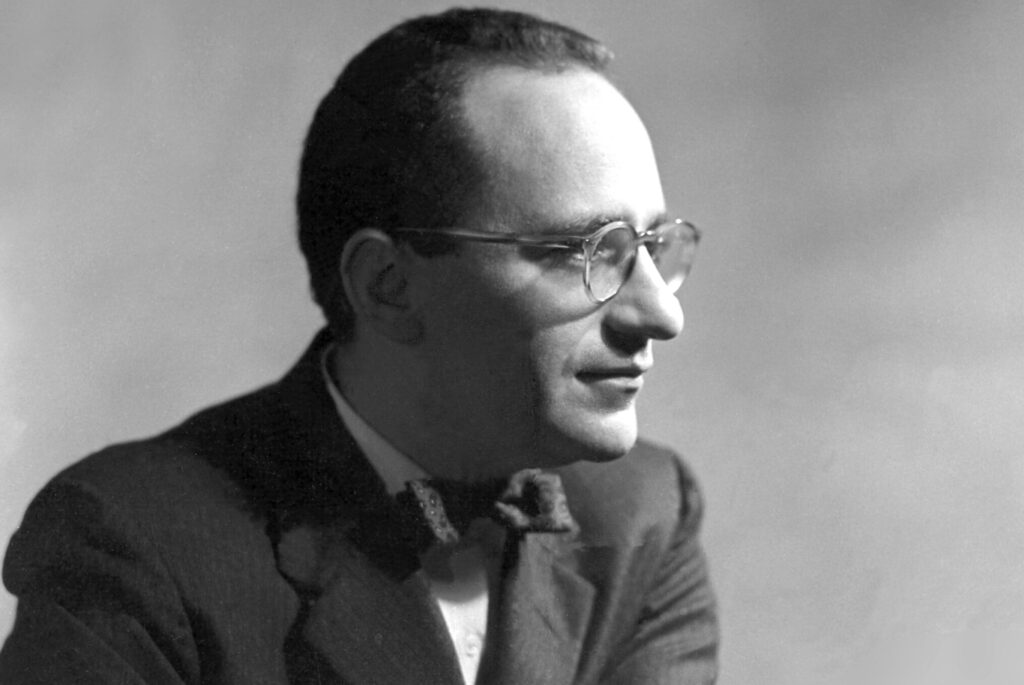
The American libertarian movement, led by Murray Rothbard, has moved away from dogmatic anti-statism to ally itself with the populist right. A trajectory that poses a central question for liberals: how far to ally oneself without denying oneself?
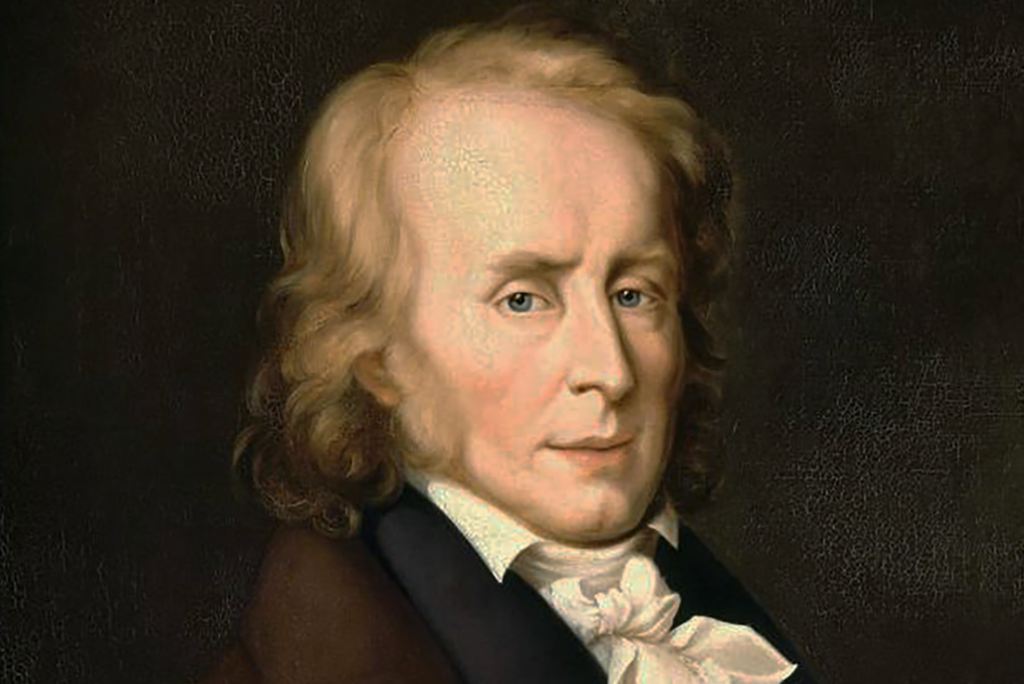
Liberalism had the opportunity to govern alone between 1830 and 1835. Its distrust of the state prevented it from continuing the experiment. Since then, to maintain its influence, it has had to form alliances. But with whom?
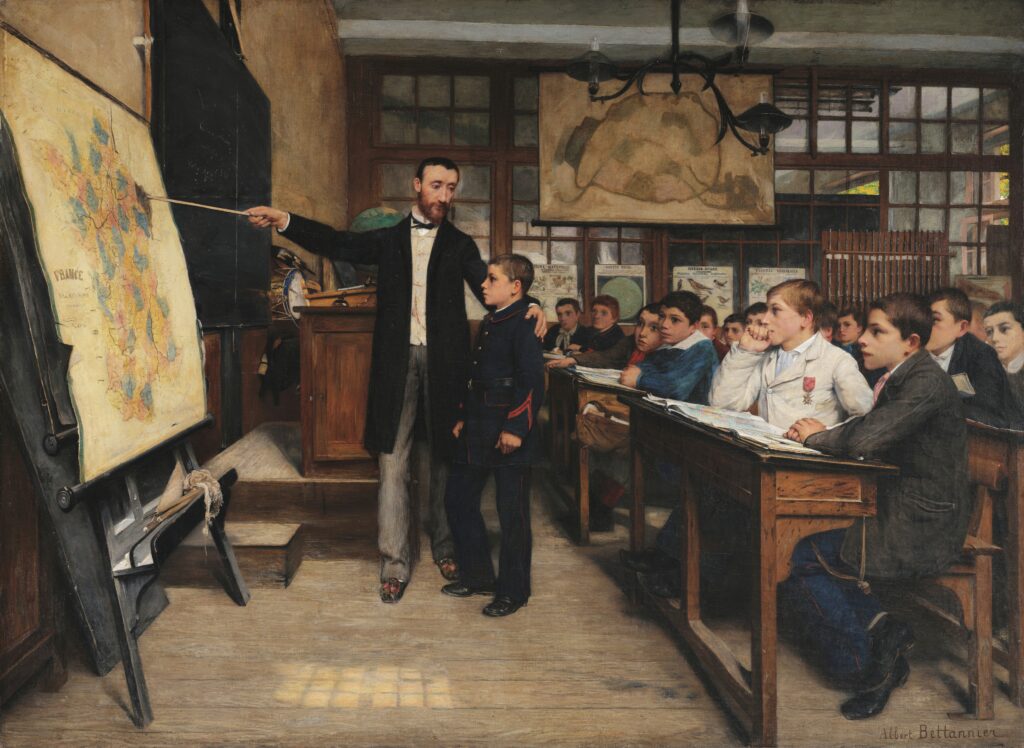
At the end of the 19th century, the French Third Republic introduced several educational reforms under the impetus of Jules Ferry. Schoolteachers were entrusted with an unprecedented civic and secular mission.
In his column, former Federal Councillor Pascal Couchepin shares a book that has left a lasting impression on him. This month, he explores the origins of the United States through Percival Everett's «James».
The term populist is a modern invention. Yet it says nothing about a dynamic whose mainspring can be found as far back as antiquity: criticism of the imperfections of the political system, with the aim of amending it.
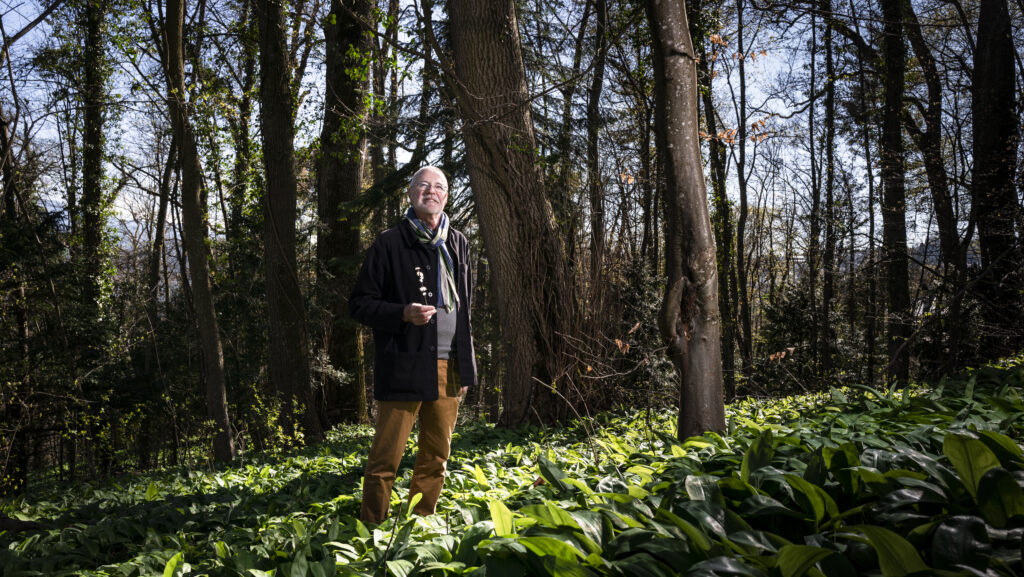
Author of a canonical «History of Switzerland» and of recent guided walks in his series «Au fil de l'histoire suisse», the university professor welcomes Le Regard Libre a few steps from the medieval ramparts of Fribourg.







 French
  German
  English