With progress, it's easy to know what you're gaining, harder to know what you're losing. So let's take this opportunity to perform an autopsy on the lovely corpse that is the pop album format.
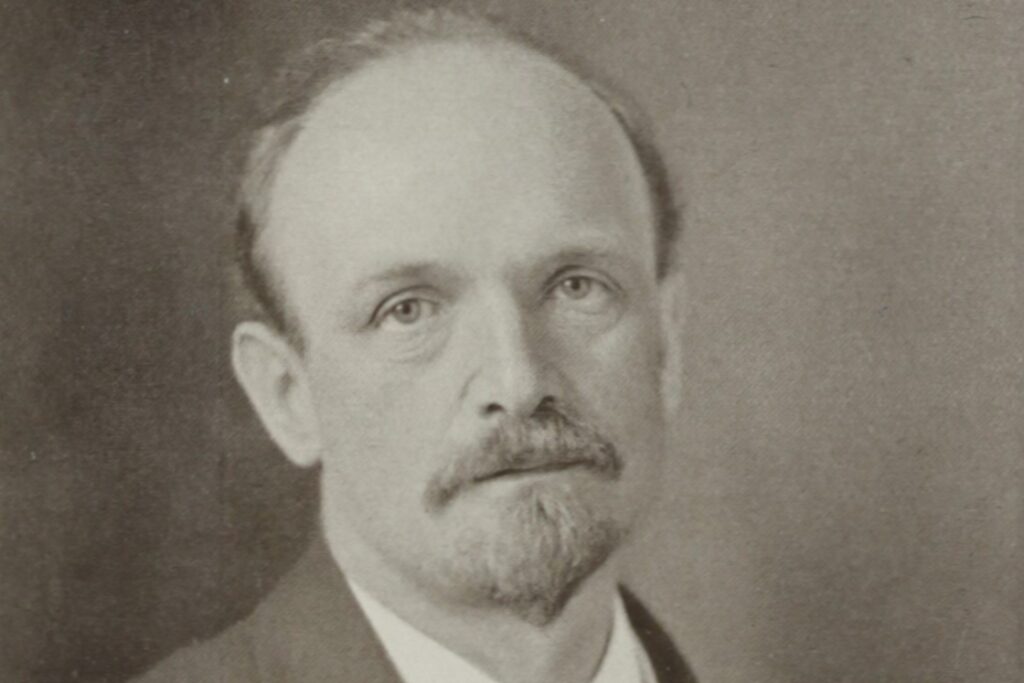
James Lyon's concise biography brings Hermann Suter (1870-1926), a major figure in Swiss music, back to life. He reveals a singular composer, whose work and life bear witness to the same spirit of freedom and accomplishment.
The «Presto» collection puts the spotlight on Henri Gagnebin, a polymorphous figure on the Swiss musical landscape. Yves Gerhard delivers a dense portrait of an influential creator, teacher and thinker, whose work and activities at the Conservatoire deserve to be carefully rediscovered.
French musicology, frozen in a certain dogmatism, is drifting away from the very essence of musical language. That, at least, is James Lyon's point of view. In this article, the music historian defends his resolutely personal reading of the discipline.
There can be no harmony without melody. Melody comes first in music, and the English term "tune" helps us to better grasp its essence, which is both sonic and semantic.
Swiss music embodies a decentralized Swiss spirit, born of the cohabitation of the country's cultural diversity.
The Californian rock band unveils a new album and sets off on tour again, seven years after the death of its charismatic leader. A return to their roots that seeks to (re)conquer their target audience: millennials who have lost their bearings.
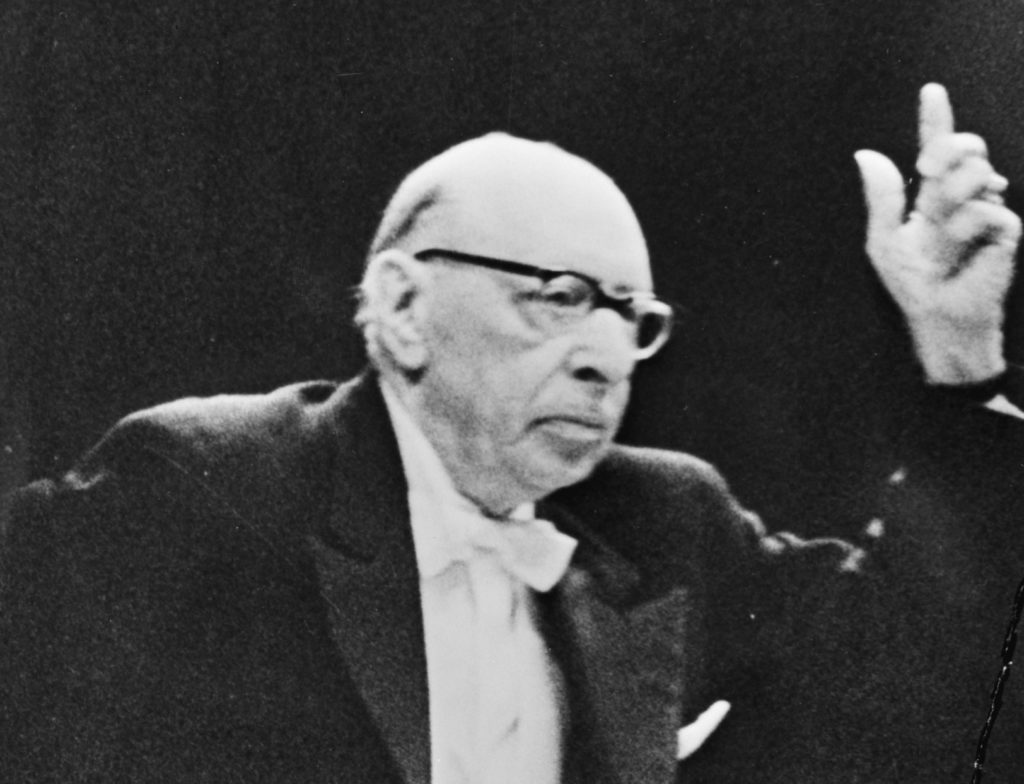
Contrary to what the famous Russian composer claimed, the fifth art does express something, even without words. How this is achieved, however, is open to debate. Here's the beginning of a hypothesis.
The past ten years have seen major changes on the Western music scene. The advent of streaming has not only overturned the distribution of songs, but has also gone so far as to shape the music offering itself.










 French
  German
  English