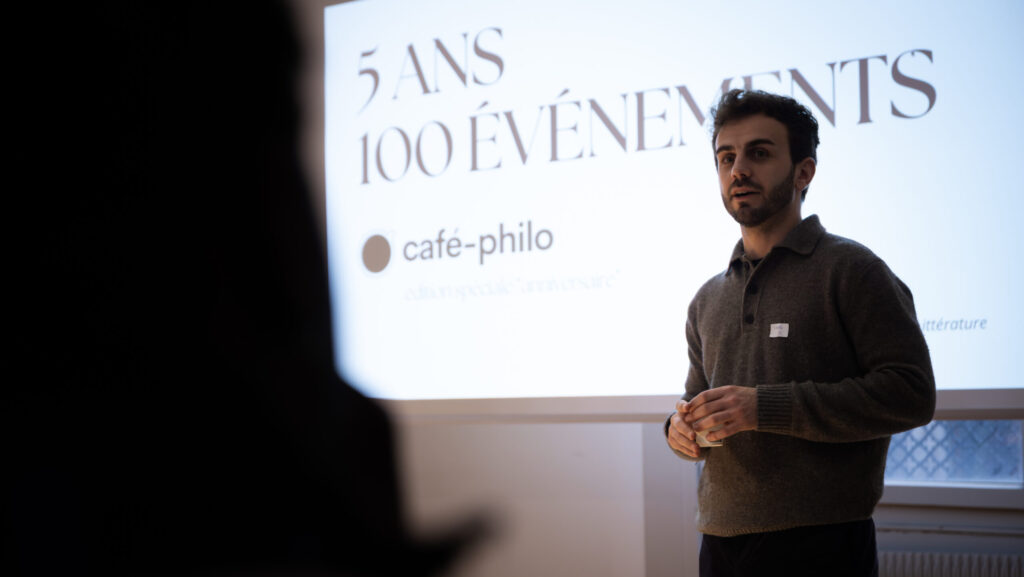
At a time of polarized debates on social media, philosophy cafés are attracting a growing audience in French-speaking Switzerland. What does this trend say about our times? As president of the Café-philo Association, I’ve drawn three conclusions from my experience.
There's an illusion lurking behind the injunctions to preserve our health: that it's an end in itself. This article defends the idea that health is a decisive tool, yes, but subordinate to what really gives meaning to our lives.
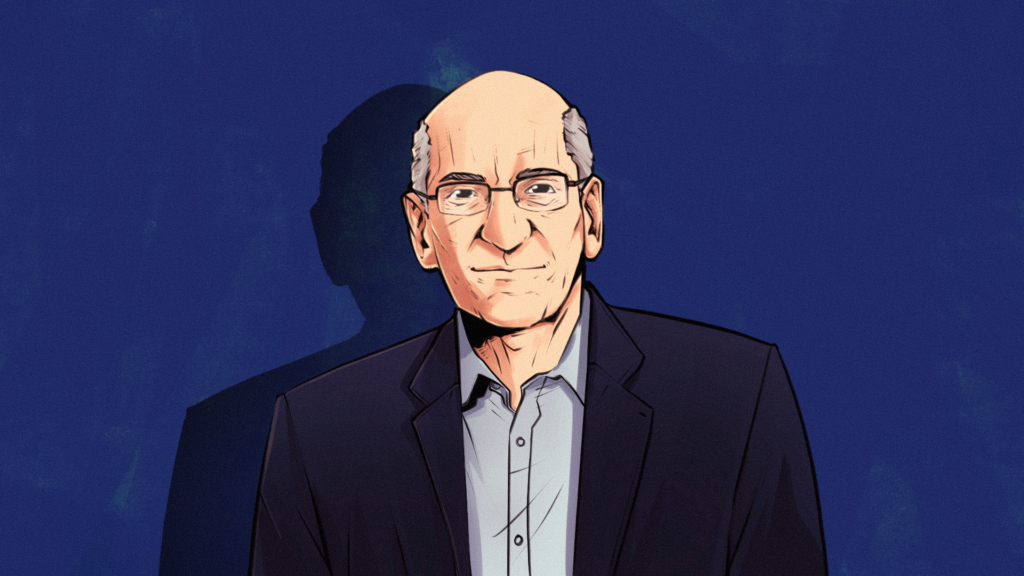
Robert Nozick proposes an original reading of the liberal program: not a minimization of the state, but a political framework that allows everyone to experiment with their own conception of the good life.
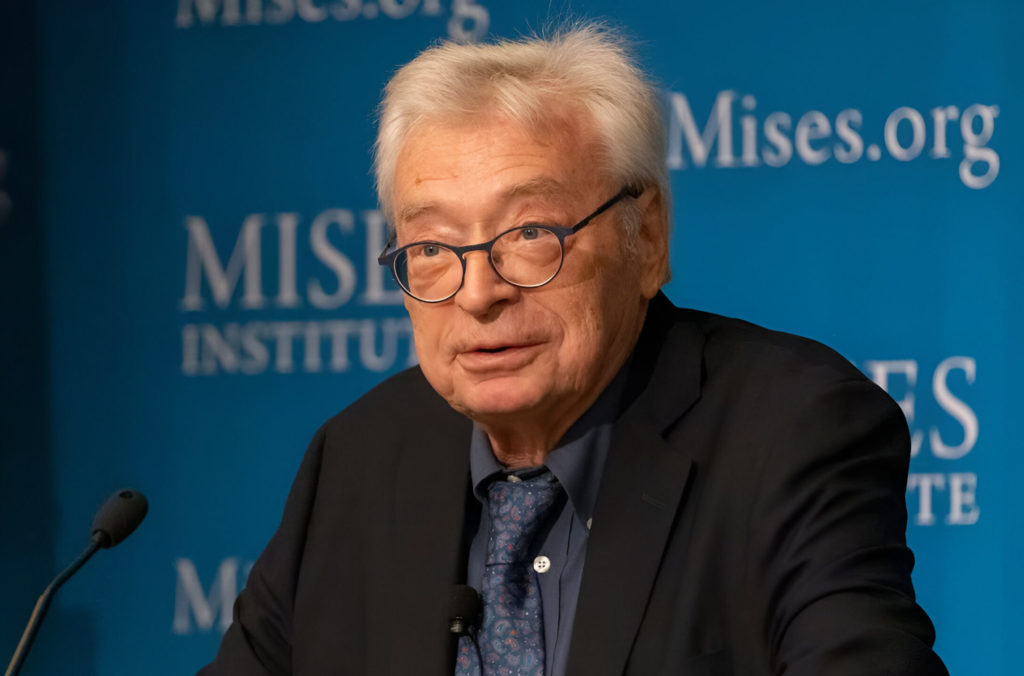
Consecrating a heritage whose core is individual liberty, liberal-conservatism can form a coherent synthesis rather than a fragile compromise. Here is an outline, drawing on Burke, Scruton and Kolnai as well as Smith, Tocqueville and Hayek.
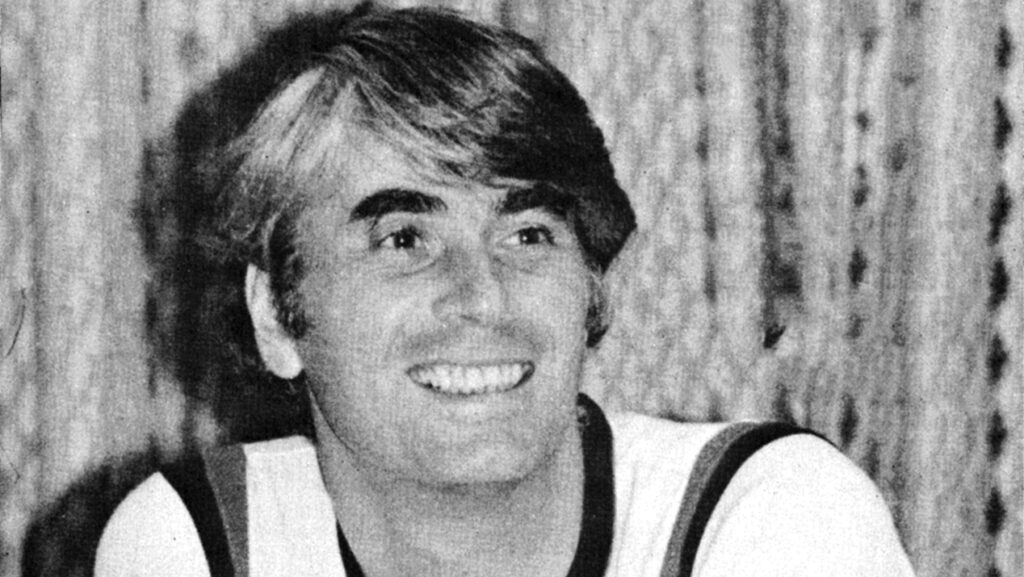
In his column, former Federal Councillor Pascal Couchepin shares a book that has made a lasting impression on him. This month, he discusses Montagne's «Essais», still invaluable today.
Liberals have always been suspicious of unlimited forms of power, whether monarchical, revolutionary or democratic. They have been the most vigorous advocates of the strict limitation of power, whoever holds it and however it is organized.
Musical improvisation is a beautiful metaphor for free expression: an art of addressing others, seeking clarity and weaving a fragile harmony, where each voice is prepared but daring.
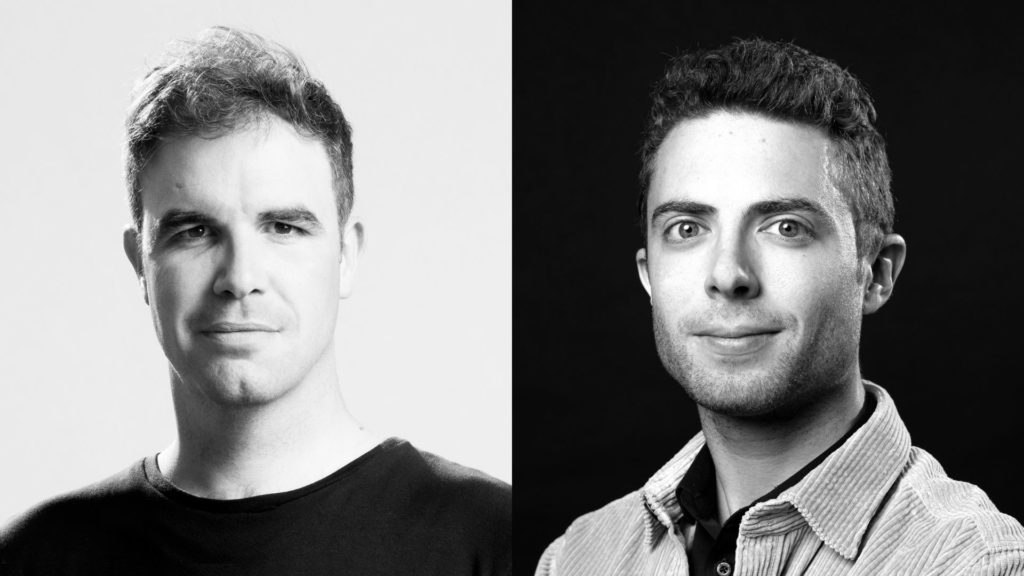
As a result of human activity, certain natural areas are under increasing pressure. Should people be denied access to them altogether? Two Regard Libre editors debate the issue.
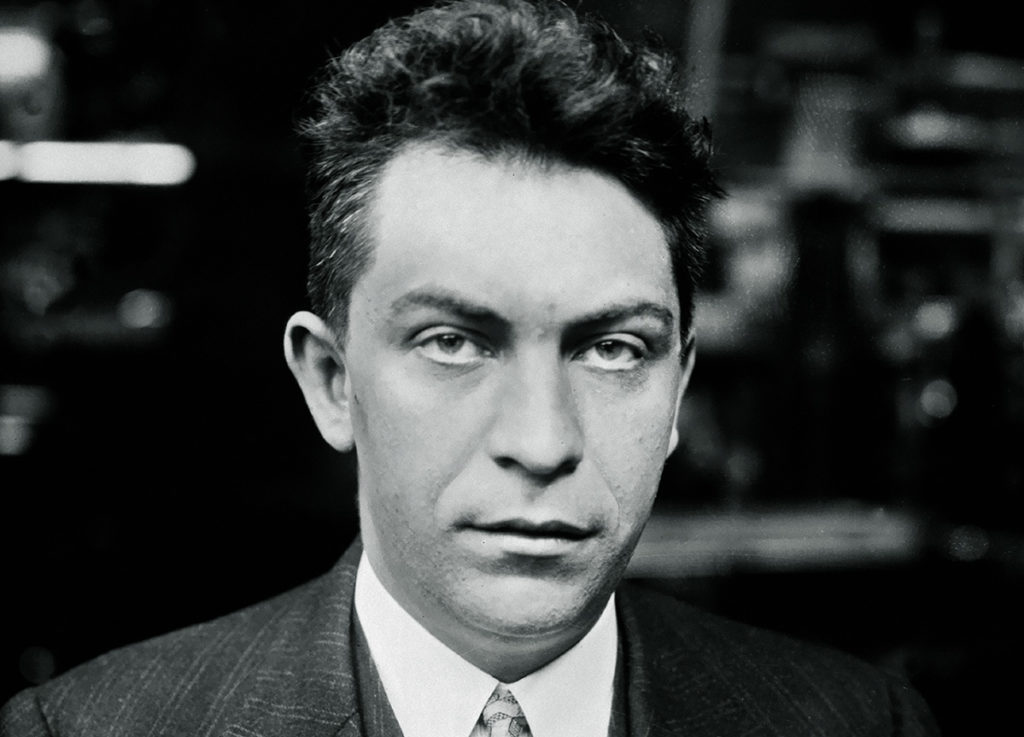
His reporting and exile took him to the four corners of Europe to document the upheavals of his time. Today, Seville's Manuel Chaves Nogales has re-emerged as the best Spanish journalist of the 20th century.





 French
  German
  English