



«Pinocchio»: the beauty of an entry into repetition
Le Regard Libre N° 65 - Giovanni F. Ryffel (readers' letters)
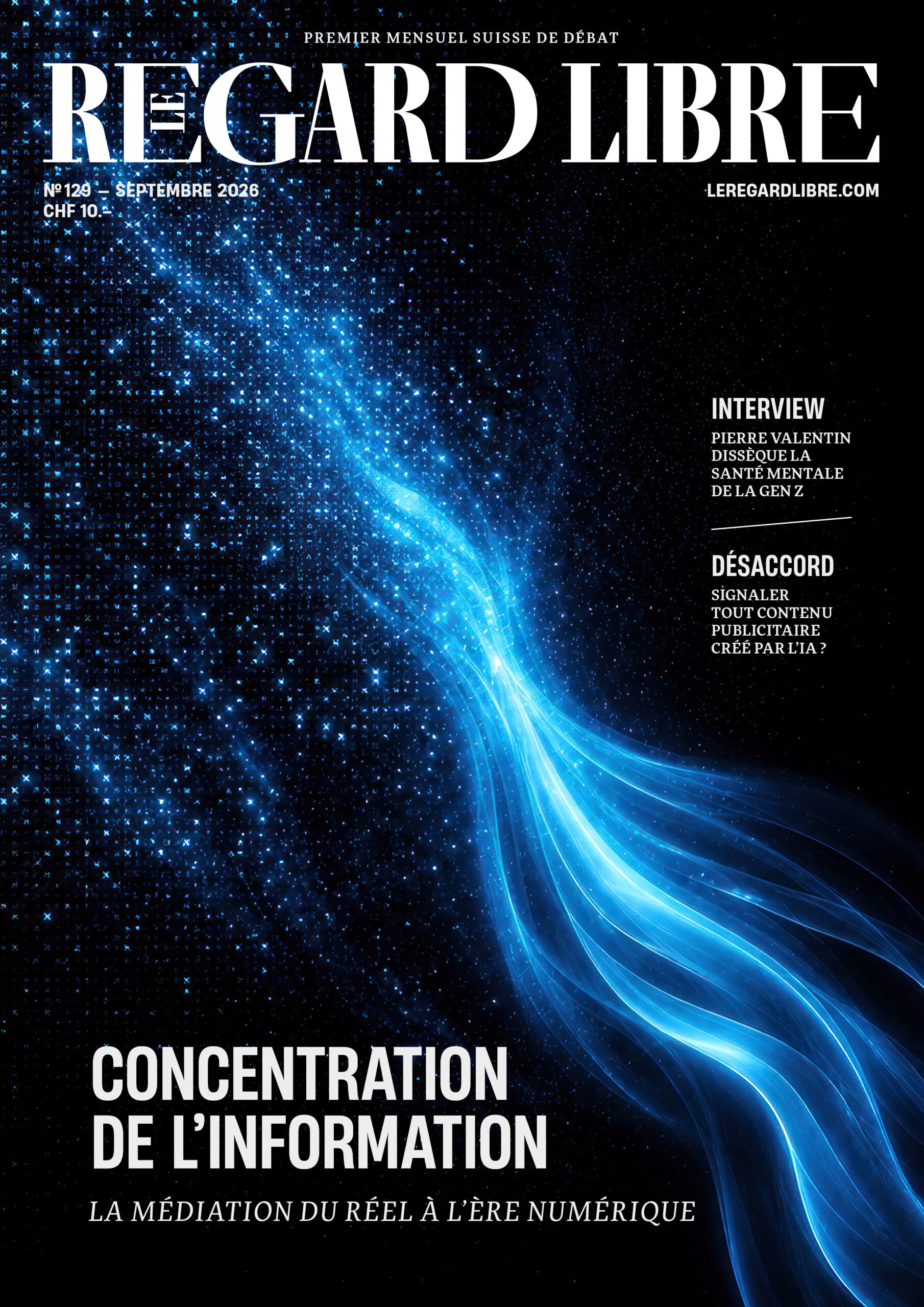
The film Pinocchio by Matteo Garrone brings to the big screen the fable by Carlo Collòdi that every Italian child has heard and loved, whether at school, on TV or before going to bed. If there's one story that can always be listened to or watched, it's this one, which speaks to the little ones who marvel at it, and to the grown-ups who understand this allegorical fable through their own experience. Garrone's film has the merit of making us experience these symbols as living realities, not mere representations of «good morals».
That's why I wouldn't, like Loris S. Musumeci, speak of ’a Pinocchio dans la continuité, mais raté», (title of the article published on leregardlibre.com, July 8, 2020), but rather of ’un Pinocchio in continuity, a true fable». In the article to which I'm referring, the author rightly pointed out some of the film's limitations, but didn't dwell on them too much: «dialogue that doesn't fly very high» and a rhythm that doesn't vary much. Errors which, in his view, make the film a failure.
Read also: A «Pinocchio» in continuity, but a failure
For my part, I found this film incredible. I knew I wasn't going to see a Tarkovsky - and yet I've seen films like this, and with pleasure! - and so I welcomed it for what it was. A fable. Our childhood fable. Really, I immersed myself in the Italian-ness of certain characters, in the eternity of the fable, in the childhood of a dream. Pinocchio, for once, is endearing rather than just a pain in the ass, Geppetto is moving rather than moralizing, and what can I say about the magnificent costumes, peerless make-up and dreamlike landscapes and atmospheres? I was captivated by it, and it allowed me to rediscover a naiveté that doesn't reject good feelings, the simplicity of the plot and the little moral for children.
The dialogues don't fly very high? Perhaps, but perhaps it's also the art of Pinocchio's fable itself to discover the depth of life in simplicity: what could be more important for a child than to discover how important it is to make an effort for his dad? It's so trivial, and yet... it takes a lifetime to understand it, and it's so profound. But it shouldn't be up to the fable to express this depth, because that would turn it into a serious tragedy. No, it must remain simple, allegorical, light.
I didn't see the time fly by as the characters entered so colorfully and characteristically into the fable tradition of Pinocchio. Pinocchio's adventures are always the same, and I would have been deeply disappointed to find them bizarrely reinterpreted just for the sake of creativity. Instead, taking me along at a linear and «unsurprising» pace - because I already know the story too - allowed me to put aside my expectations of having an original film and just concentrate on the value of its simplicity.
For me, «déjà su» was an opportunity to experience something we don't do any more, but which the old-timers did and which children do: the experience of entering into the beauty of repetition. How many times have I seen the pleasure children derive from listening to the same piece over and over again. How many times have they heard the same long, slow passages from the’Illiade have been repeated and appreciated. This is hardly in keeping with our modern sensibility. Nor mine in particular. But, for once, I was able to understand what value this «banal repetition» could have: to be able to enter into an allegory as into a dream that belongs to us.
Giovanni F. Ryffel is a philosophy and Italian teacher at a Ticino high school. He has been an editor for Le Regard Libre from July 2018 to September 2019.
Photo credit: © Ascot Elite Entertainment
You'll also like

 French
  German
  English
Leave a comment