



From Caligari to Disney, the story of a falling out of love
This month, our columnist seeks to understand Western audiences' growing disinterest in the entertainment giant's productions, through the work of journalist and sociologist Siegfried Kracauer.
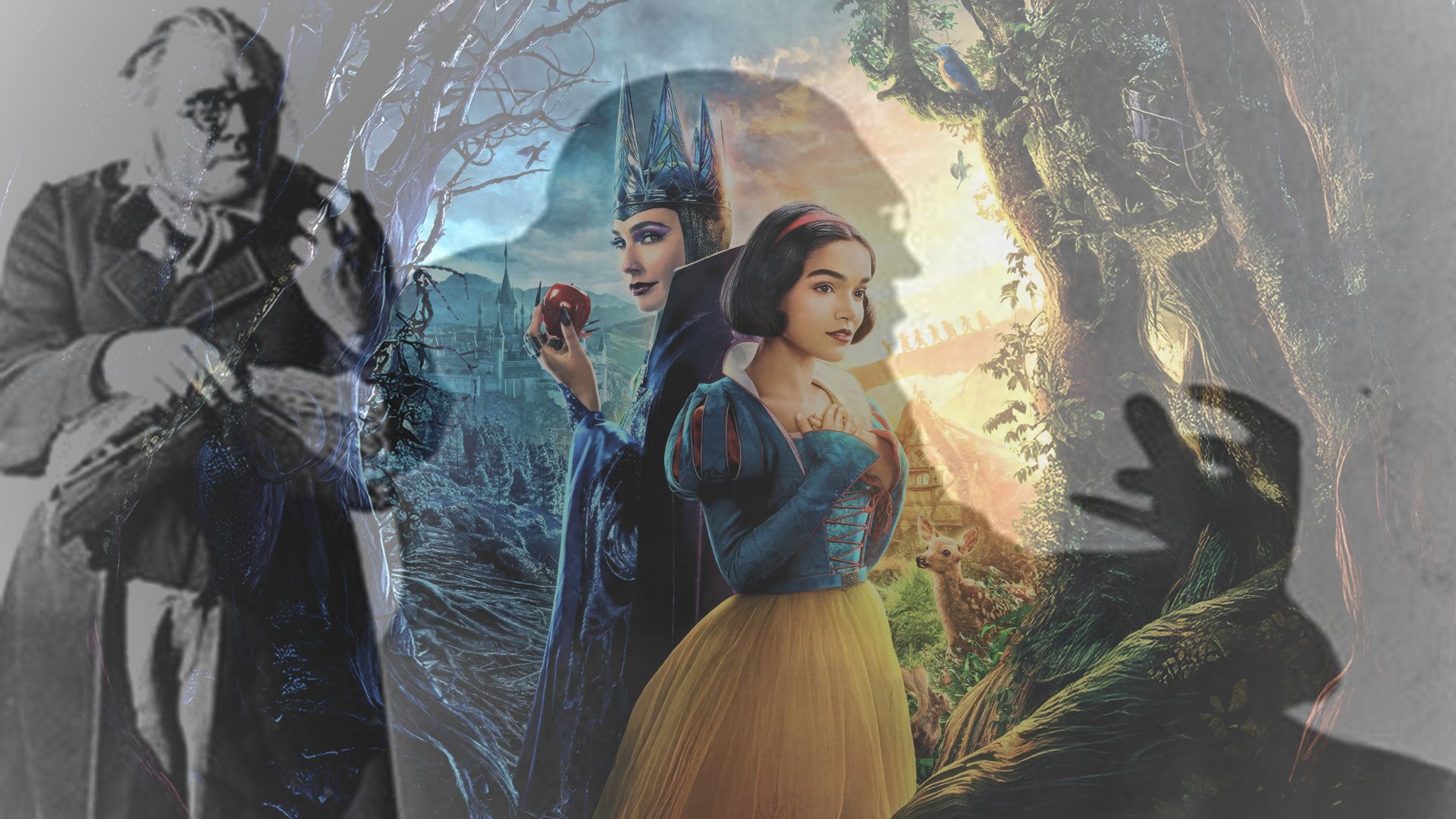
On February 26, 1920, Berlin audiences at the Marmorhaus Theater discovered Lhe Cabinet of Doctor Caligari, a masterpiece that quickly became the archetypal German post-war expressionist film. At a fair in a fictitious German town, two young men discover Dr. Caligari, a psychiatrist able to take control of his assistant, a giant named Cesare, through hypnosis. In this somnambulistic state, he answers questions about the future, and predicts the imminent death of one of the young men - who will be found stabbed to death the next day.
For sociologist Siegfried Kracauer, this film captured the essence of post-war German collective psychology. Its two screenwriters saw it as a critique of the tyranny that had manipulated the European masses for decades and sacrificed them on the battlefields of 14-18. The director, however, turned the film into a treatise on madness. According to Kracauer, this perversion of the original message reflects the failure of the German revolution of 1918, while the dreamlike depiction of psychosis illustrates a retreat of the German soul into an inner world, full of unacknowledged fears and anxieties, between rebellion against authority and aspiration to normality. The inability of the public at the time to perceive the authors' anti-tyrannical message prefigures, according to Kracauer, the path of the German people, traumatized and humiliated, towards Nazism.
In his famous book From Caligari to Hitler: a psychological history of German film, Kracauer asserts that a nation's films reflect its mentality even more than other artistic media. A film is necessarily a collective work, requiring hundreds of people to make it. It's expensive, and as a general rule must recoup its initial investment through commercial success. A film is therefore both the work of a multitude of people, and intended for a multitude of people.
Go woke, go broke
This has led to real artistic and commercial successes such as Caligari disasters, such as the new Snow White, a live-action remake of the 1937 cartoon. Caligari was a compromise between revolutionary scriptwriters and a director with different artistic, ideological and commercial aspirations. Snow White is the result of a strange mixture: the race for excessive profits and ideological currents blinded by their own dogmatism.
Snow White was meant to be woke: lead actress Rachel Zegler is Colombian, yet another affirmation from Disney that whiteness must cease to be the norm on screen. The dwarfs couldn't be played by real actors because they'd be reduced to their disabilities, and the original script was twisted to make Snow White a heroine, while Rachel Zegler publicly called Prince Charming a perverted stalker.
When cinema loses its audience
Disney has actively pushed this trend, from the black Little Mermaid to the repressed homosexuality of macho Gaston, suggested in Beauty and the Beast (2017), even turning down scripts that weren't inclusive enough, according to one Disney executive. Hollywood is bathed in a progressive atmosphere that is perceived as being in tune with the times, or at least it should be. However, financial pressure is driving producers to extreme caution, and they are multiplying the number of remakes they consider to be sure things. (read the previous episode of this chronicle) and standardizing aesthetics and content.
But the sauce doesn't take. Disney doesn't know how to talk to people anymore, and has a string of box-office failures, scathing reviews and waves of indignation. Conservatives are lashing out at these films because they know they've struck a chord: the rejection of out-of-touch, preachy elites. If Disney doesn't get out of the ivory tower of its legendary logo soon, Mickey's studio will leave behind only a sad legacy of flops, which have themselves worked hard to tarnish its past masterpieces.
Every month, our film critic Jocelyn Daloz explores the seventh art in its social and historical context.
You have just read an analysis from our print edition (Le Regard Libre N°116). Debates, analyses, cultural news: subscribe to support us and get access to all our content!
Vous aimerez aussi



 French
  German
  English
Laisser un commentaire