



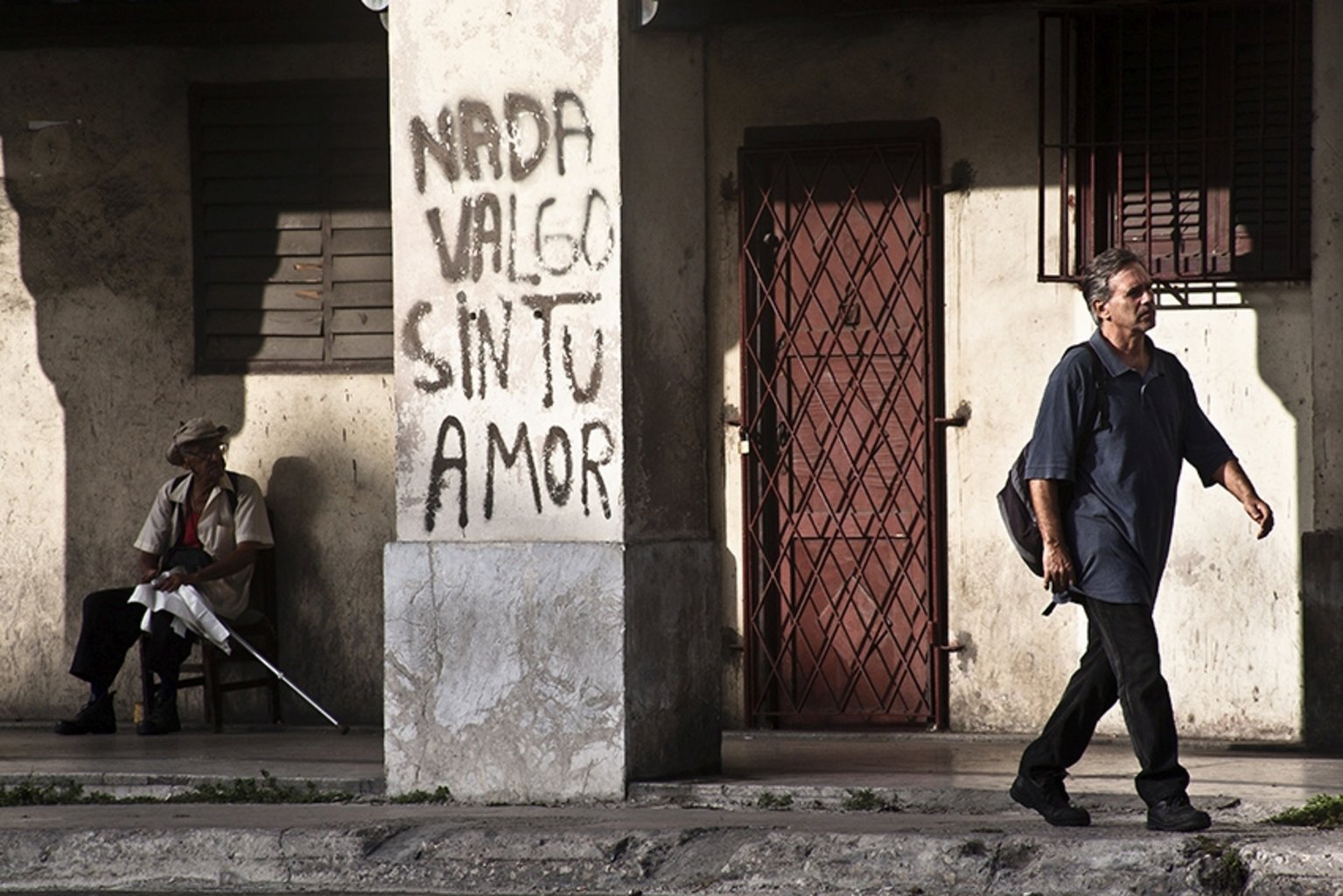
«Last days in Havana» by Fernando Pérez
Cinema Wednesdays - Alexandre Wälti
The great thing about Passion Cinéma's cycles is that viewers rarely leave a screening disappointed. It's a good thing they exist, especially at the end of the year. They counter the invasion of blockbusters with their share of sensationalism and explosions, so far from the finesse of Last days in Havana by Cuban director Fernando Pérez.
Right from the opening scene, the succession of close-ups imposes a certain kind of cinema: intimate and profound. The camera follows the facial expressions of Miguel (Patricio Wood, tortured) as he washes dishes in an uneventful restaurant. He goes out, crosses the streets of Havana. Fernando Pérez films him as if in a documentary, moving him through the city's urban chaos with total indifference.
He then enters a community building with decrepit walls, passes a hairdresser in the lobby, an egg delivery man on the stairs, a singing woman (Yailene Sierra, desperate) on the second floor and Fefa (Carmen Solar, benevolent), the voodoo Afro-Cuban, next door. Suddenly, he's in the kitchen of a two-room apartment tending to his dying friend. He shares the apartment with Diego (Jorge Martínez, brilliant), the dying homosexual. Needless to say, this is not the best of conditions in a country that is still very macho, as the film's premise suggests. The film's sequences always include one or more elements in the first shots, giving depth to the image. The framework is set, and the ordinary characters grow as the film asks questions.
A story of friendship and new strengths
The opening of Last days in Havana, Like the opening lines of a novel, the film contains Fernando Pérez's sharp eye for his country. What happens next? Cuba and its various social issues gradually enter the apartment, thanks to the many characters, and ease the confinement in which Diego and Miguel find themselves. This confinement then becomes the place of greatest freedom. The sick man, bedridden throughout the film, is more alive than his sane friend. What are they doing together? Why does Miguel look after Diego? What is he suffering from? All these questions come to the fore as the days tick by explicitly on screen, like a visual diary.
When young Yusi (Gabriela Ramos, deeply moving), a runaway, enters the story through Diego's bedroom closet, the tornado of Cuban youth finds its voice. A character all the more endearing for having no filters; his thoughts come out without room for reflection or censorship. Insolent, touching and fragile. She brings a smile and color to the face of Uncle Diego, increasingly weakened by illness. The young actress Gabriela Ramos is strikingly photogenic. She literally sucks up all the attention.
A subtle portraitist
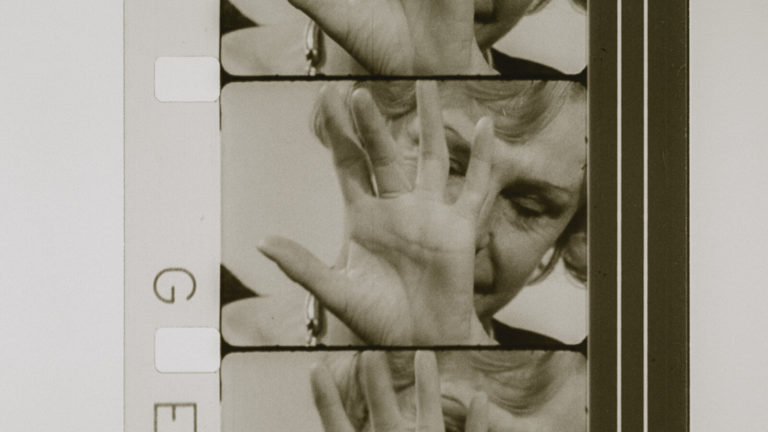
One sentence perhaps sums it up Last days in Havanadetail is at the center of Fernando Pérez's gaze, and everything else is in the actors. The director films them as closely as possible. As when he stops on the movement of their hands, or follows Miguel's walk with the camera shooting over the character's shoulders. Diego heals by dying. Miguel dies living a distant dream. That's another way of saying the film in a few words.
It's a cinema at times almost physical, immersed in a social reality that the Cuban director knows and depicts with precision, even leaving an important place for the voice of the street. Not least through the message of graffiti, which always appears at a pivotal moment in the plot. Libert«, whose ending is cut off by the aged pole of a Havana building, is the best example.
Fernando Pérez immortalizes a moving photograph of Havana. A snapshot of stories. Like the photographer who takes a snapshot that says so much more than just an image. And what about the film's epilogue? Masterful.
Write to the author: alexandrewaelti@gmail.com
Photo credit: © cinergy.ch
You'll also like




 French
  German
  English
Leave a comment