



«Figlia mia»: oh mamma mia!

Cinema Wednesdays - Virginia Eufemi
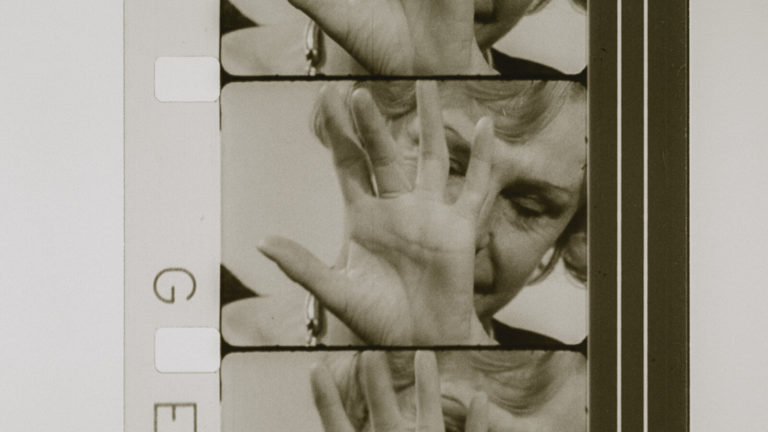
Set in the arid, rural landscapes of Sardinia, we follow two women, united by their maternal love for Vittoria (Sara Casu), a ten-year-old girl with beautiful flame-colored hair. Tina (Valeria Golino) has brought her up in the right way: Vittoria is a well-behaved girl who plays the organ in the village church. Angelica (Alba Rohrwacher), on the other hand, carried her for nine months, then entrusted her to Tina after the birth. But one day, when Angelica has to leave her farm because of money problems, she asks Tina for just one favor: to help her meet Vittoria.
This Italian, German and Swiss feature, shortlisted for the Golden Bear at the Berlinale earlier this year, is directed by Italian Laura Bispuri (Virgin under Oath, 2015). Despite its good intentions, this production is content with a «can do better». Indeed, we'd like to see more: the characters aren't well-developed, the performances are decent but nothing more, and the script is flat. Figlia mia lacks depth. A pity for such an interesting theme, such as maternal bonds, what makes a mother, and the difficulties of adoption.
In these wind-whipped Sardinian lands, between land and sea, an all-female trio develops, whose dramatic situation we sense without feeling. Angelica is anything but angelic; she's a seductive, eccentric, alcoholic young woman. Tina, on the other hand, is a loving but melancholy mother who over-mother Vittoria. Vittoria is seduced by Angelica's madness and enters adolescence thanks to the experiences they share. A fourth figure, both wife and mother, dominates this trio: the Virgin Mary.
Although Laura Bispuri plunges us into the daily lives of these women through tightly focused shots in which we seem to follow the protagonists' movements, we are unable to penetrate the feelings of the characters, who remain smooth and inexpressive. The grain of the image seems to suggest the timelessness of what's happening, as does the near-absence of technology, which suspends the narrative.
But we'd like to know more about Tina and Angelica's relationship. Tina regularly pays the young woman money, as if to buy her silence and distance. Yet Angelica doesn't seem to harbor any hatred for Tina; their relationship is strange and intriguing, but remains suggestive and very shallow. Just like the voices in the village, which seem strangely unconcerned by the story.
What we retain is the whole question of possession of the other: «she's MY daughter», «she's MINE». In the end, we understand that Vittoria is the daughter of both, and of neither. And when the little girl is symbolically reborn from the bowels of her land, she is alone, a woman of courage in the face of life's rough edges, belonging to no one but herself.
Write to the author : virginia.eufemi@leregardlibre.com
Photo credit: © Vivo Film
Vous aimerez aussi




 French
  German
  English
Laisser un commentaire