




Francisco «Paco» Umbral: do you really know him?
Unpublished article - Ivan Garcia
An archive-rich documentary traces the career of writer Francisco «Paco» Umbral. The idea? Scratch beneath the veneer of his (constructed) dandy image to reveal the man himself. With all his splendors and miseries. A must-see.
In his preface to his book The Antichrist, the German philosopher Friedrich Nietzsche reflected on the difficulties his work encountered in being understood by his contemporaries. Thus, to underline that he was ahead of his time and would probably not be understood at the time but much later, he wrote: «Some are born posthumously». The Spanish writer Francisco Umbral, himself the victim of a similar fate, would no doubt have shared this Nietzschean postulate. With over 110 published works and 135,000 press articles to his name, he is one of Spain's most prolific contemporary writers. But, strangely enough, outside Spain (and still), he is a relatively unknown writer.
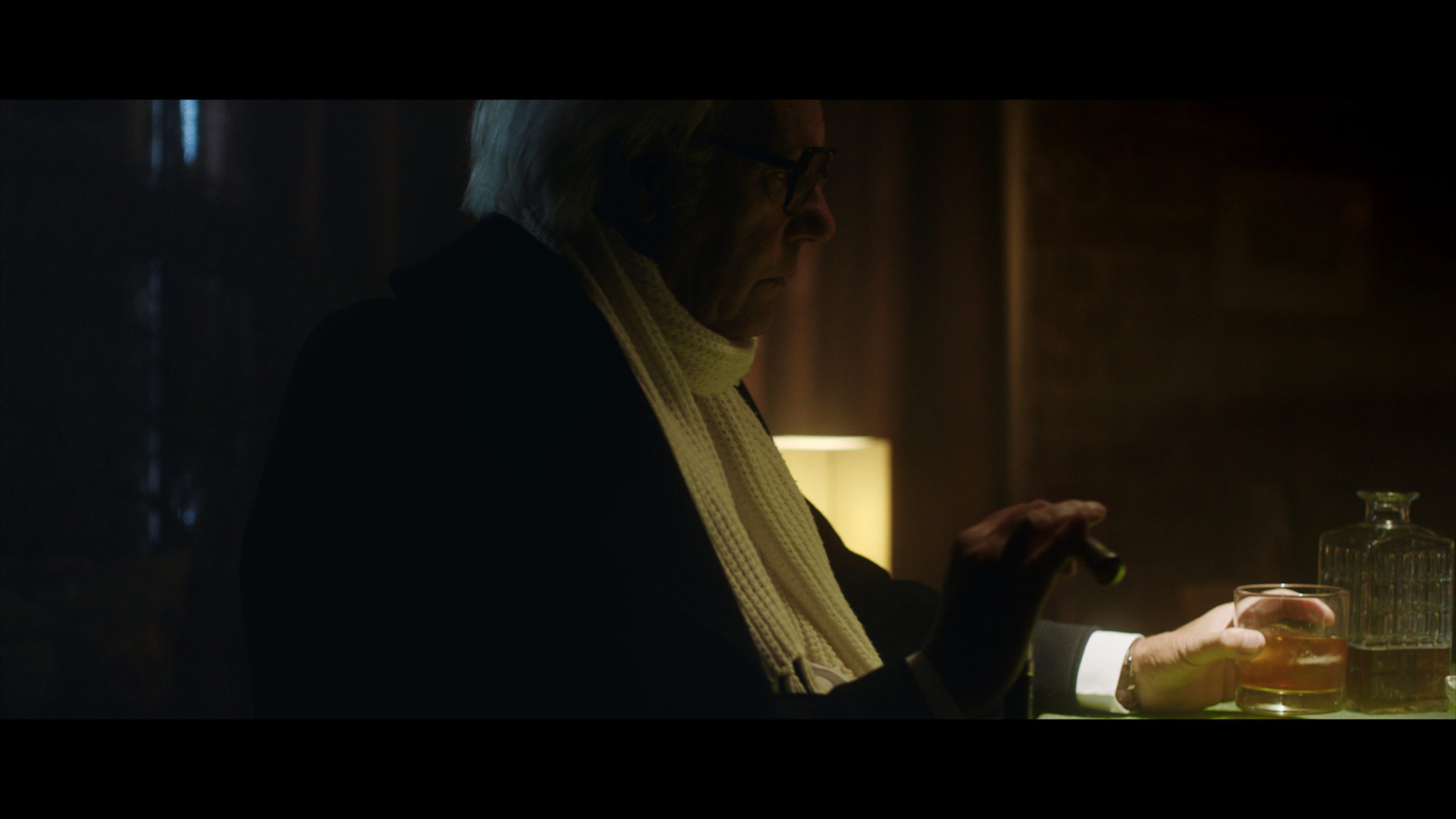
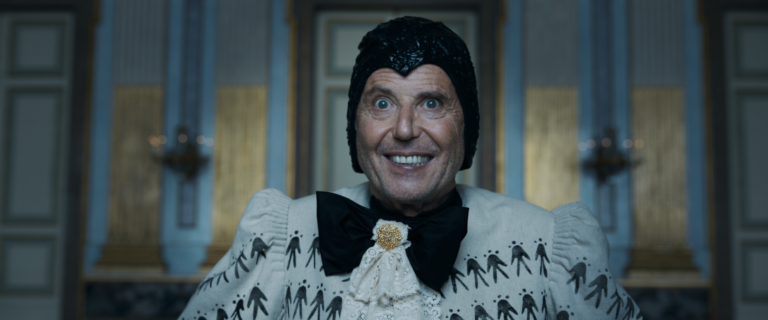
After a long literary career, and winner of numerous awards (Prix Nadal, Prix Cervantès...), the author passed away in 2007. As for his work, it has scarcely been translated into French, and Spanish-speaking specialists are not lining up at the door... But, as the saying goes, «every cloud has a silver lining». Last October, at the sixty-fifth Valladolid International Film Festival, the documentary Anatomía de un Dandy, directed by Charlie Arnaiz and Alberto Ortega. Currently showing in Spanish cinemas, this feature-length film looks back at Francisco Umbral's career, and gives the floor to journalists, experts on his work, those who worked with him and... Umbral himself, to deconstruct the myth. Umbral created a literary persona for himself; he was a dandy who always dressed elegantly and, in the media, gave vent to his narcissistic tendencies. And then, when he arrived in Madrid, he adopted a new identity, renouncing his birth name (Francisco Perez Martinez) and becoming «Paco Umbral». In short, Umbral was a strange cross between Huysmans and Houellebecq who seduced his audience not only with his talent, but also with his image. And it's this image that the documentary's contributors seek to deconstruct.

A dandy's life and archives
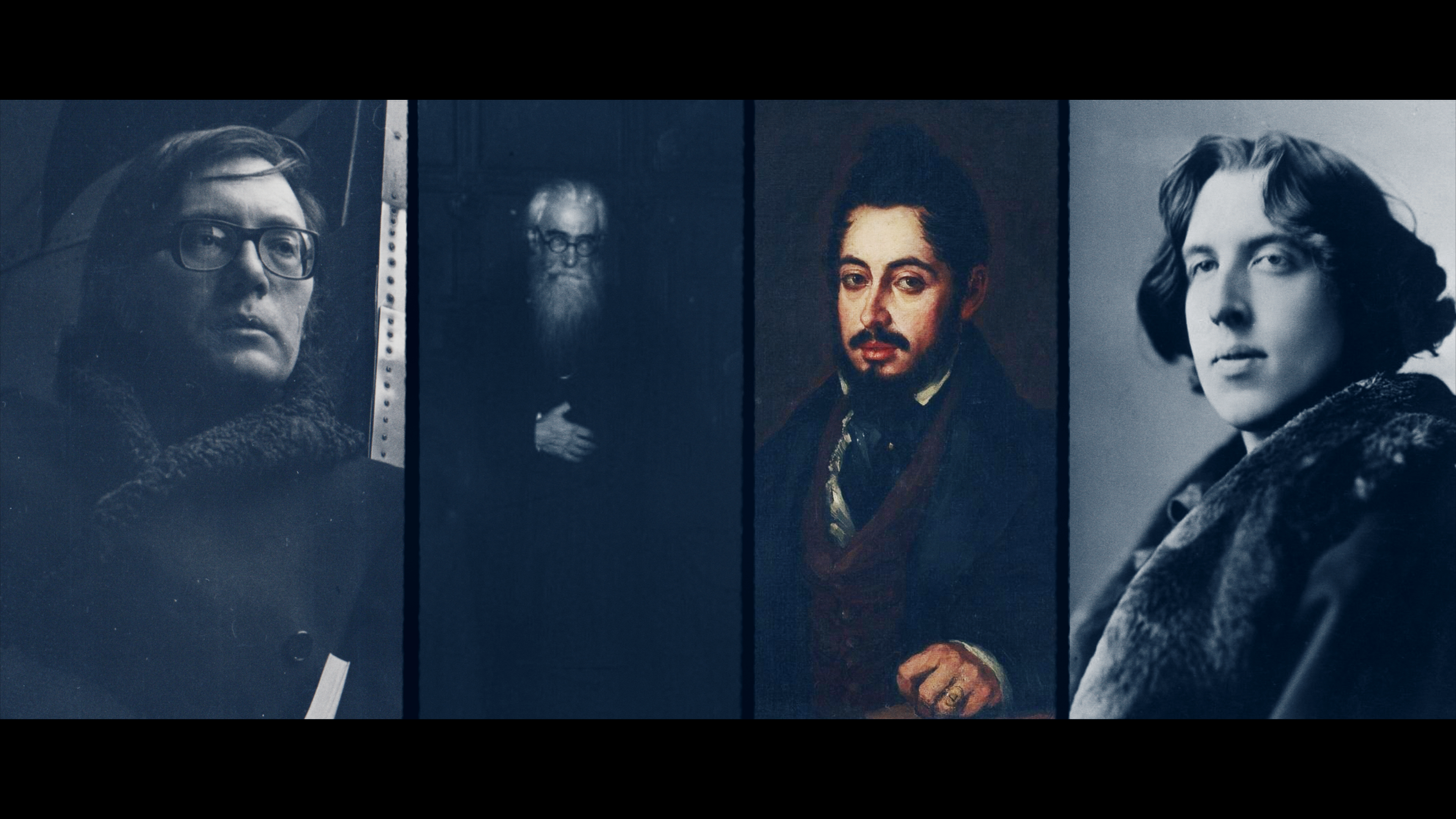
The feature film is divided into seven chapters, each titled after one of the writer's works. For example, the first chapter is entitled La noche qué llegué al Café Gijón (The Night I Arrived at Café Gijón), recounting Umbral's arrival - at the age of 29 - in Madrid at the legendary Café Gijón, a literary institution in Madrid in the 60s. Umbral's literary work is rooted in his own life. From his relationship with his mother (El hijo de Greta Garbo/Greta Garbo's Son) to the loss of his beloved son (Mortal y rosa/Mortel et rose), the man declared that ’in recounting my life, I recount that of others«. The film's title is directly inspired by one of Umbral's essays (Larra, anatomía de un dandy) on one of the fundamental figures of Spanish Romanticism: Mariano José de Larra.
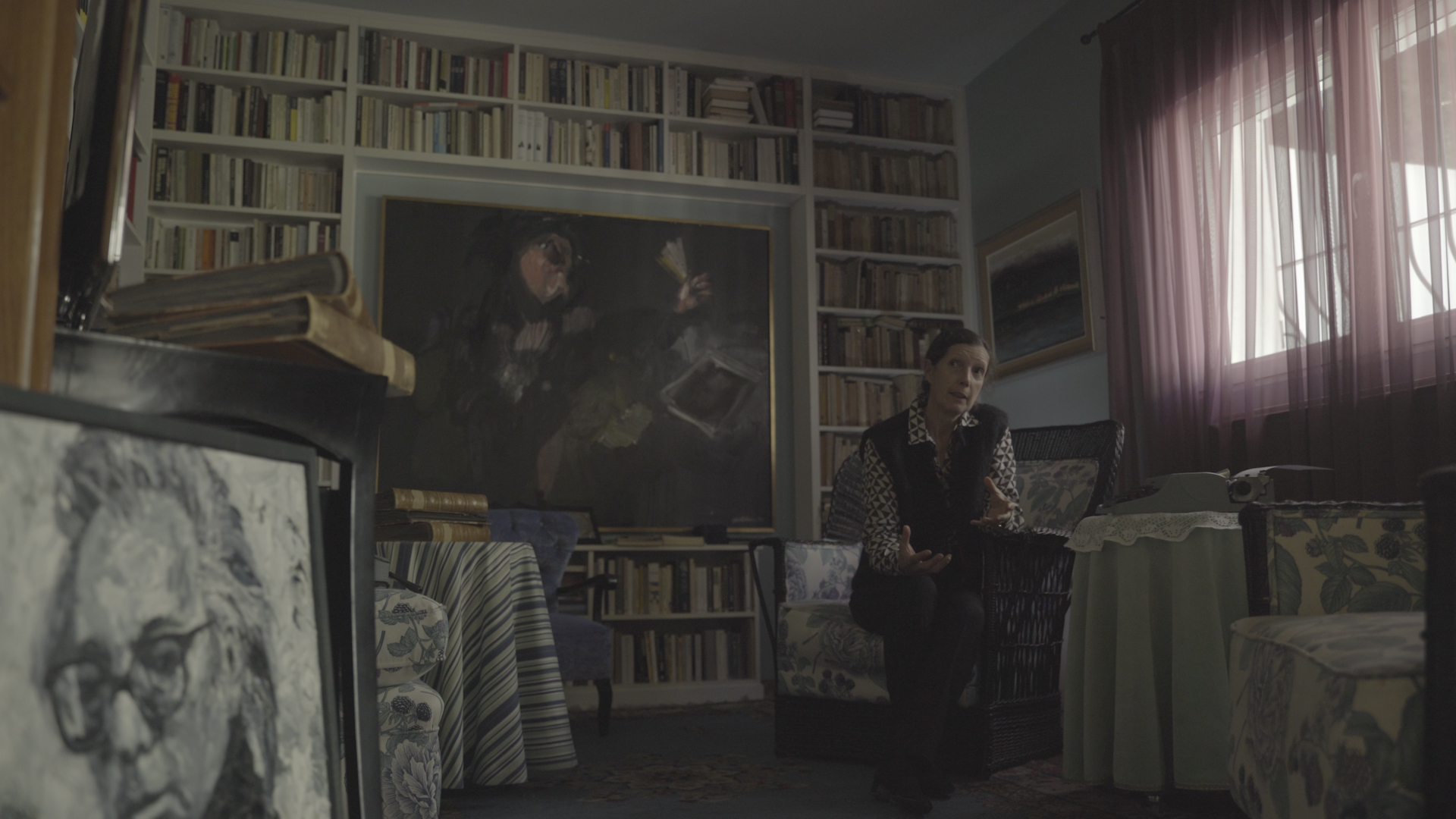
The documentary's strength lies in its use of the various archives to which the filmmakers had access. Thanks to María España, Umbral's widow, they had access to the marital home and were able to collect previously unseen archives such as recordings, photographs and drawings, which are used to enrich the feature film. These include audio and visual extracts from Umbral maintenance with writer and journalist Fernando Sánchez Dragó on the former RTVE literary program Negro sobre blanco. The documentary is narrated by actress Aitana Sánchez-Gijón.
The most astonishing thing is the way in which the archives reveal a other Umbral. For example, in the third section entitled Mortal y rosa, Umbral's drawings and audio fragments, in which he does everything in his power to ease his son's pain, were recovered from the archives. With his drawings and storytelling skills, the father tells his dying son a story about a robot exploring space. A touching moment that sees an audible physical change: the public figure's voice is replaced by that of a father, quite different from the one heard in the media... Indeed, most of his compatriots know him for his famous scandalous sequence on a television show in which he declared, «I've come here to talk about my book», which, according to some of the voices in the documentary, such as journalist Rosa Montero, has done a great deal of damage to his work...
The columnist, the prizewinner and the thug
In the feature film, various contributors such as Pedro J. Ramírez, founder of the Spanish newspaper El Mundo (and former boss of Umbral), or rock singer Ramoncín, underline the late writer's ability to capture the times in his texts. In addition to these rather laudatory voices, other more critical opinions, such as that of professor Bénédicte de Buron-Brun, expose the «literary marketing» strategy employed by Umbral to place himself in this line of dandy writers. His consecration? In 2000, he won the prestigious Prix Cervantès (the equivalent of the Nobel Prize for a Spanish-language writer). It was the revenge of this literary autodidact, the son of a single mother, against the proponents of «great literature».
In one hour and thirty minutes, Anatomía de un Dandy provides an insight into the author's multi-faceted world, particularly as a writer and journalist. By the way, did you know that Umbral was best known as a columnist, and that his columns from the 70s were read daily by 1 million readers? His short social texts, often corrosive and implacable towards the people he denounced (he used to put their names in bold in his columns, the famous «negritas de Umbral»), made him the barometer of Spanish society in the last three decades of the twentieth century.th century. Some even credit him with inventing the term movida... The title of his first column, «Diario de un snob» (translate: «Diary of a snob»), captures the mood of the character who defined himself as «a thug dressed by Pierre Cardin». So, how well do you really know Francisco «Paco» Umbral?
Write to the author: ivan.garcia@leregardlibre.com
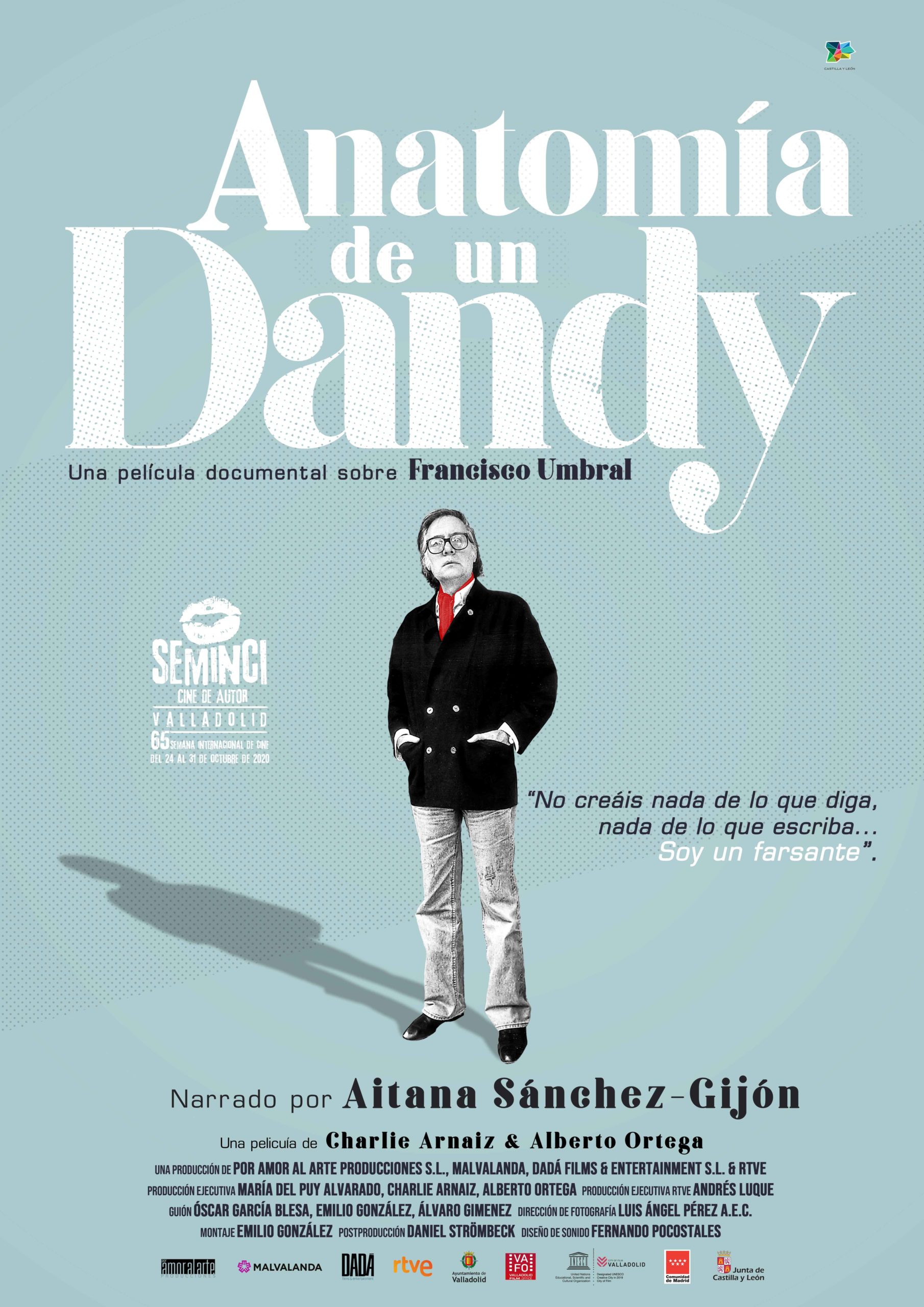
Photo credits: © Anatomía de un Dandy

You'll also like


 French
  German
  English
Leave a comment