



The two lives of «L'Inconnu de Shandigor» (Jean-Louis Roy, 1967)
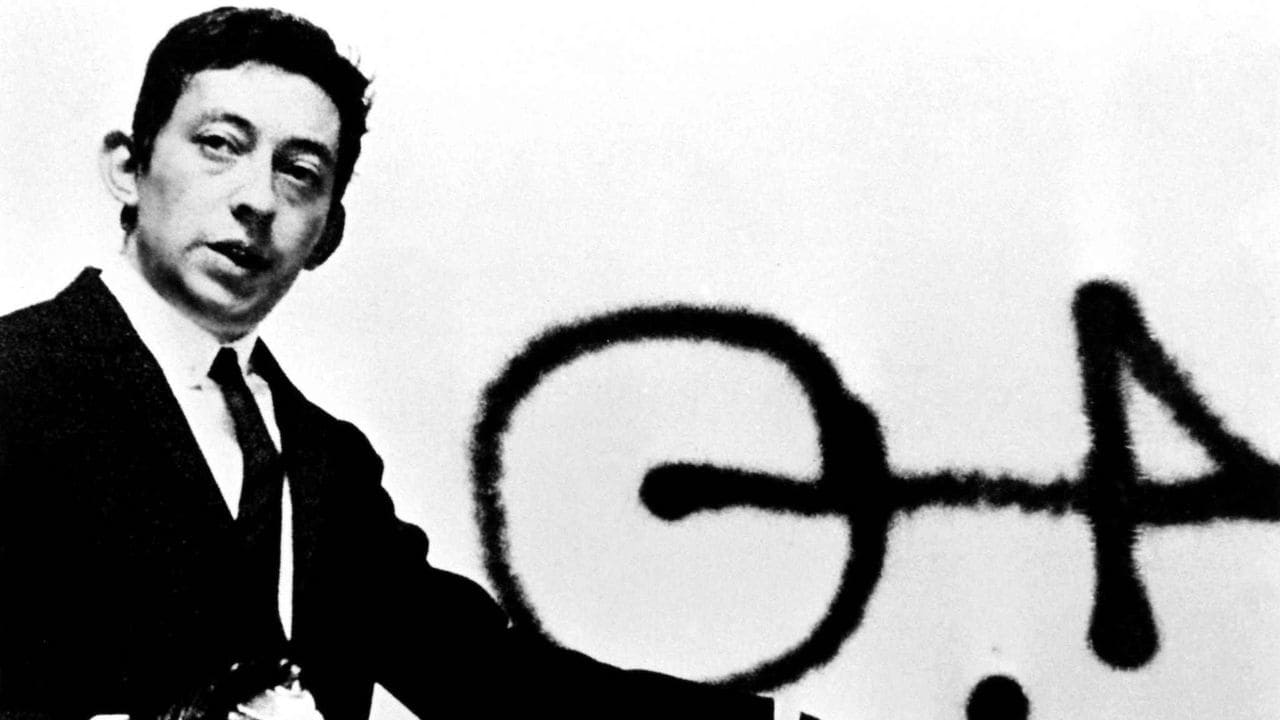
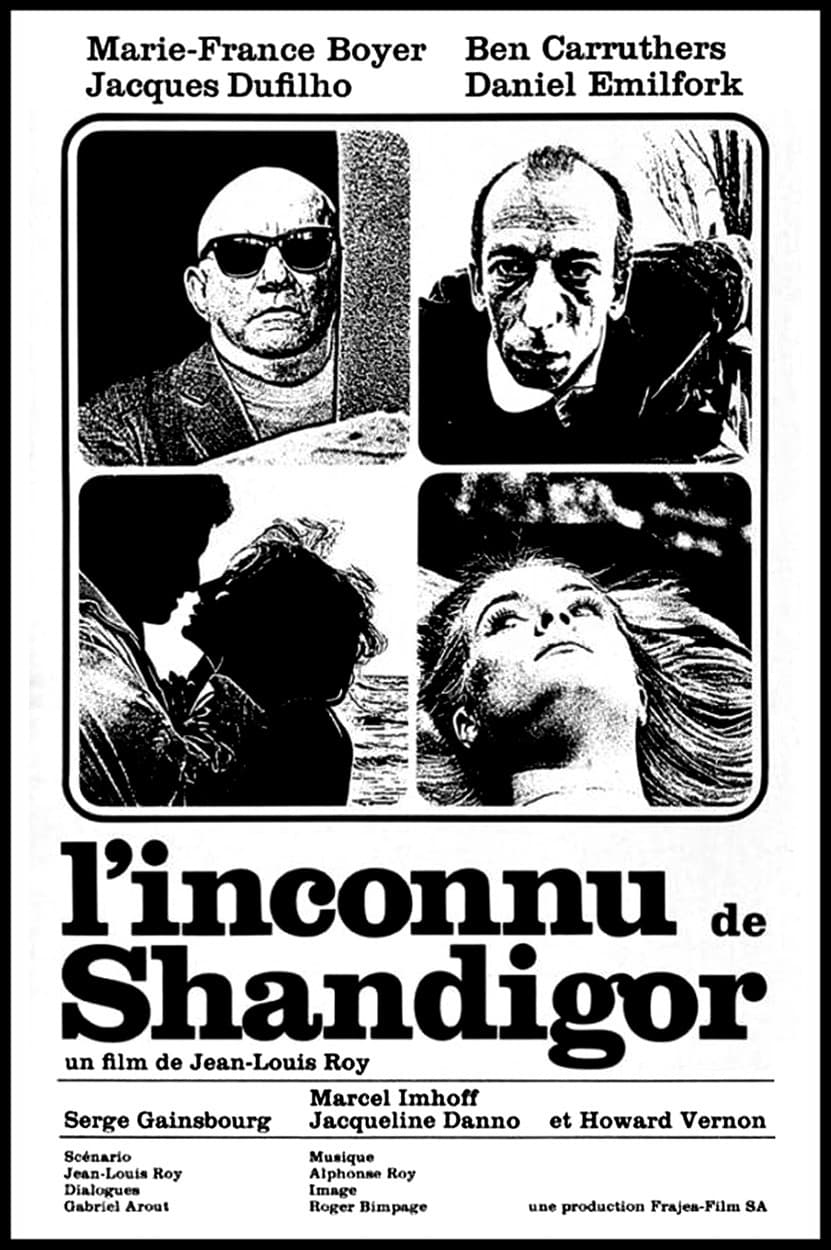
Von Krantz - a strange paraplegic physicist - has developed the Annulator, a device capable of defusing nuclear charges. He lives reclusively in his villa with his daughter, Sylvaine, and his assistant, Yvan. The secret services of the world's major powers inevitably seek to steal the plans for his invention. And so begins a ballet of spies, all as zany as they are burlesque, which is the originality of The Unknown of Shandigor - Jean-Louis Roy's first feature film. After restoration, the film was given a second life at the Locarno Film Festival in 2016 - where it had its Swiss premiere in 1967. In January 2021, Les Journées de Soleure celebrated its fifty-sixth edition. In tribute to its director Jean-Louis Roy, who passed away in March 2020, the Solothurn festival reprogrammed The Unknown of Shandigor. The film was already well received there the year of its release, and was seen by some journalists, including Freddy Landry, as proof that a «young Swiss cinema exists».
A genre-bending parody
The Unknown of Shandigor, despite its age, continues to shine with originality and burlesque. It plays with the codes of spy cinema. The parody of the genre involves the exaggeration of its constituent ingredients, inevitably involving a nuclear explosion, a Cold War climate and states spying on each other in a race for power. The secret agents - the Russians, the Americans and the Bald Men - are deliberately caricatured, through sets, costumes, accents and characters, like the other characters in The Unknown of Shandigor. The Chauves - poorly organized poachers - deliberately ridicule the spies and are at the heart of the parody. They are directed by Serge Gainsbourg, who brings a strange, musical dimension to the film.
Jean-Louis Roy also has fun mixing the various cinematic genres behind the spy movie. For example, Sylvaine (Marie-France Boyer), a beautiful young blonde woman, is in perfect love with Manuel (Ben Carruthers), a dark-haired man with a charming gaze. These two characters play out a gentle romantic comedy for their audience. The film can also be likened to a fantasy - or science fiction - film, with the mysterious monster stirring in the pool, the embalming scene and Gaudi's chimerical sets. This intermingling adds to the burlesque of the situation, and helps to give the film a rhythm and a sense of mystery, while following a traditional spy movie pattern.
The mix of film genres offered by The Unknown of Shandigor embodies an aspect that was much debated by journalists at the time of the film's release. While the Tribune de Lausanne refers to it as a strategy for standing out and Le Canard enchaîné as the manifestation of «a true filmmaker's temperament», the Tribune de Genève criticizes it for preventing the red thread from asserting itself. In the same vein, the newspaper Visit World deplores the «change in tone [that] occurs in the course of the story. Abandoning the irony that suited him so well, the director begins to take his characters seriously. Science fiction makes its appearance. A new film begins, too ambitious not to disappoint us and make us miss the expected entertainment». Frightened by innovation, Swiss audiences and critics alike were visibly frightened by this surprising film. Today, the film is viewed with more distance, and viewers seem to appreciate the mix of styles and the offbeat script.
Jean-Louis Roy's humor - particularly in the scene in which the spies learn the art of concealment, sitting behind their desks as they memorize the tricks of their trade, just like at school - makes his feature film timeless. In 1968, the newspaper Figaro littéraire wrote: «Concerned about profitability, the backers intended the young director to make nothing more than a traditional spy film». Viewers can only rejoice at Jean-Louis Roy's determination to accept the constraints of the spy film and play with the genre's codes, rather than attempt to circumvent them by presenting a hybrid scenario that in no way corresponds to his original idea. He succeeded in producing an astonishing work, which still lives on today in festivals around the world.
A film that leaves its mark
Although the way in which Jean-Louis Roy stepped out of the frame did not meet with unanimous approval at the time of the release of The Unknown of Shandigor, At the time, some critics referred to it as the first Swiss work in the history of cinema. In fact, the newspaper Figaro littéraire wrote in July 1968 that Jean-Louis Roy was the first Swiss filmmaker. La Nouvelle Revue de Lausanne insisted on the purely cinematic nature of the film, in November 1967. Jean-Louis Roy «has created an original universe, a work that has its own climate». For its enthusiasm, avant-gardism and successful parody, The Unknown of Shandigor can be considered a nugget of Swiss cinema from the 1960s and 70s, which - as Freddy Landry pointed out in April 1969 in the Lausanne Gazette - was paradoxically seen in France, Italy, Canada and Israel, while the German-speaking part of Switzerland only screened it in a handful of cities. The Unknown of Shandigor proves its strength and success, as fifty-four years later, it continues to make its audience laugh, bluff and surprise.
You'll also like

 French
  German
  English
Leave a comment