




Melody, the foundation of musical language
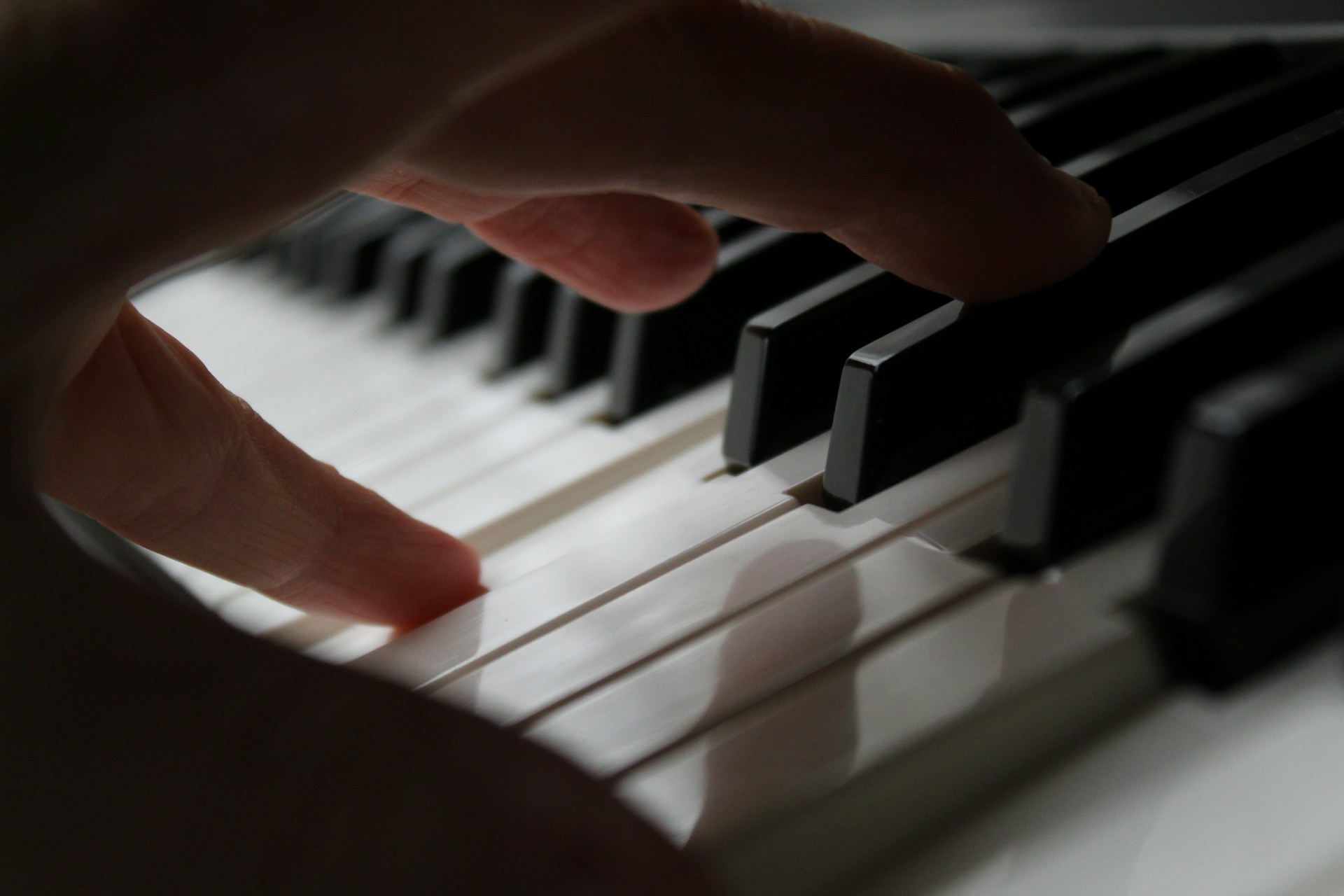
La mélodie est plus fondamentale que l’harmonie, selon l'historien de la musique James Lyon. Photo: Anne Nygård (Unsplash)
There can be no harmony without melody. Melody comes first in music, and the English term "tune" helps us to better grasp its essence, which is both sonic and semantic.
The careful study of musical phylogenesis invites us to consider «melody» from a singular and pre-eminent angle. To understand it, the English term tune is more likely to capture its essence. As London composer Imogen Clare Holst puts it: «English musicians are lucky enough to have the word tune. In America, where musicologists have been educated in the German tradition, they are forced to settle for melody at every opportunity, whether describing Sweet Polly Oliver or the Adagietto of Mahler's Fifth Symphony. Americans tend to despise our word tune, dismissing it as "a popular term for any clear, easy-to-remember melody"».
This content is reserved for our subscribers.





 French
  German
  English