




Uber vs Taxis, unfair competition?
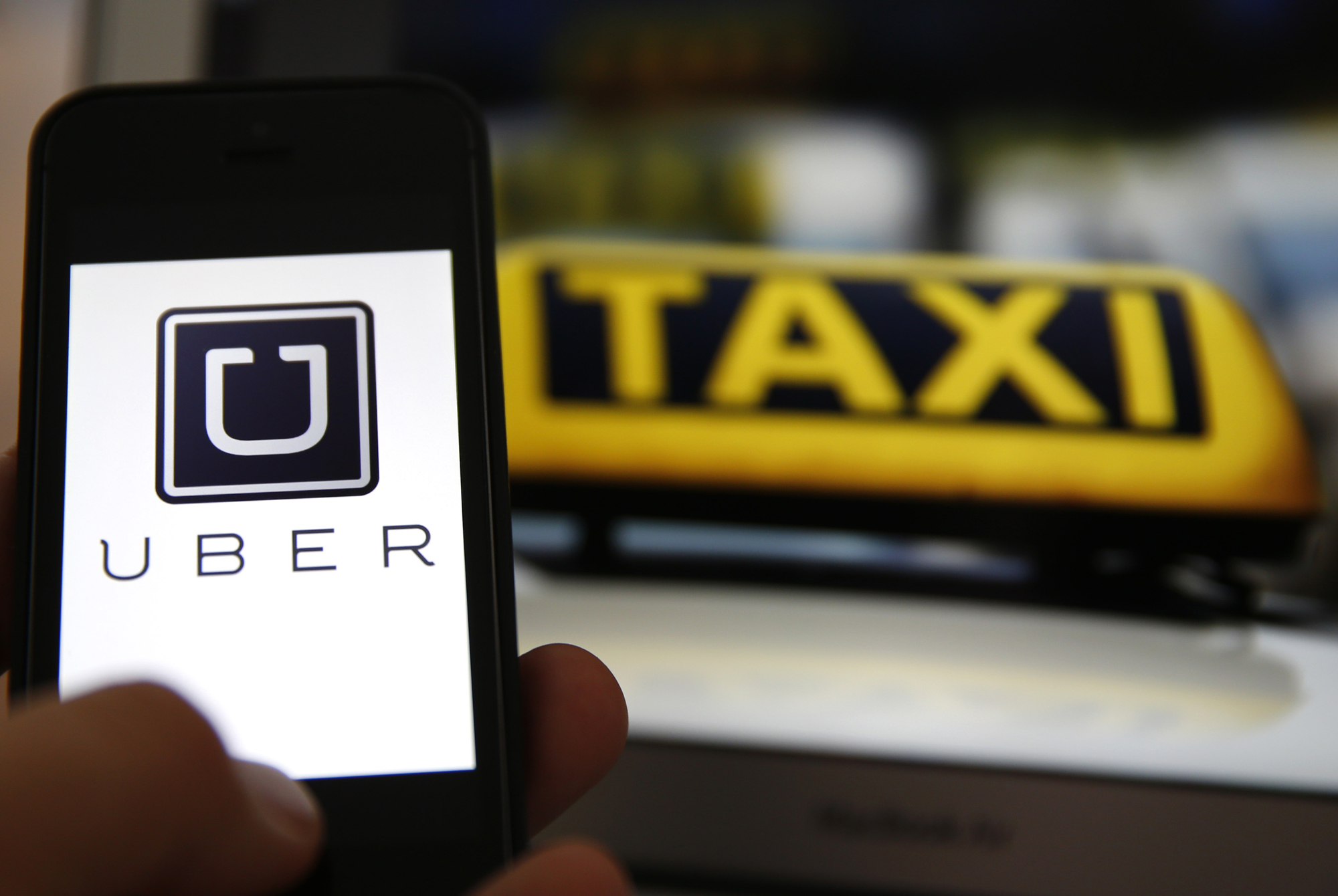
File illustration picture showing the logo of car-sharing service app Uber on a smartphone next to the picture of an official German cab sign in Frankfurt, September 15, 2014. A Frankfurt court earlier this month instituted a temporary injunction against Uber from offering car-sharing services across Germany. San Francisco-based Uber, which allows users to summon taxi-like services on their smartphones, offers two main services, Uber, its classic low-cost, limousine pick-up service, and Uberpop, a newer ride-sharing service, which connects private drivers to passengers - an established practice in Germany that nonetheless operates in a legal grey area of rules governing commercial transportation. REUTERS/Kai Pfaffenbach/Files (GERMANY - Tags: BUSINESS EMPLOYMENT CRIME LAW TRANSPORT)
Le Regard Libre N° 18 - Vincent F. Pickert (our guest of the month)
With Uber banned in Spain, Nevada and India, anti-Uber protests in Paris and debates at Toronto City Council, tension is mounting around the Californian giant. Indeed, the alternative service to traditional cabs is causing concern: anyone can, at low cost and with just a few clicks, take advantage of or offer cab services. For Uber Pop, the most controversial service, no license, training or certification is required: registration on the app is all that's needed.
Unfortunately, this disruptive technology suffers from its innovative nature. Cab unions, politicians and citizens respectively accuse Uber of unfair competition, lawlessness and destroying traditions - in London, for example, with the famous “Cabs”. In the spirit of conservatism and justice, the “sharing economy” service is being banned from more and more parts of the globe.
These “regularization” policies don't just violate the principle of economic freedom: they're simply useless. While the service was intended to compete with an old cab monopoly that had become ineffective and had no desire to improve supply, the multinational is faced with inflexible unions, preferring to turn to prohibition rather than review their business model. These bans are endorsed by politicians who bow to pressure from the unions and falsely wish to follow the public will.
What are the solutions, apart from the one put forward by Salima Moyard, a socialist member of the Geneva Grand Council, who advocates the introduction of a tax that would itself finance a common subsidy fund for cabs serving neglected regions (a solution worthy of a planned economy)? Liberalization. Or rather, the total abolition of all rules, privileges and permits. By allowing Uber to operate wherever it wishes, by abolishing cab privileges (e.g. borrowing bus routes), or by putting an end to the costly licenses cabs have to hold in order to operate, we'll create genuine competition in a free market, with supply focused on the consumer (and therefore the public) and not on safeguarding personal interests.
Photo credit: © agefi.com
You'll also like






 French
  German
  English
Leave a comment