


Mondays of the’news - Hélène Lavoyer
Ever since it became a state in 1990, conflicts have plagued Yemen, an ancient land located in the south of the Arabian Peninsula. Between religious wars, civil conflicts, geopolitical and economic stakes, the governments in action on the territory have multiplied in order to intervene in favor of one of the groups fighting for power. However, the unbearable situation experienced by the Yemenis remains a ghost in the European media landscape.
Yemen has a strange nickname: ’Happy Arabia«. Indeed, although the area is one of the most irrigated on the Arabian Peninsula - which is what earned it this sobriquet - it is nonetheless the scene of unfathomable violence. Even before the formation of the state in 1990. Until then, the country had been split in two, with the northern part divided between the Yemen Arab Republic and the People's Democratic Republic of Yemen.
Divided land, land of conflict
Already between 1962 and 1970, a civil war was raging. Some twenty years later, an attempted secession led to the deaths of around eight thousand people. At the start of the millennium, armed conflict broke out between the Houthis, a political and theological organization whose religion stems from a minority branch of Shiite Islam, and the government in power, represented by President Ali Abdallah Saleh.
On the one hand, the political opponents in the north, the Houthis - whose organization was founded by Hussein Al-Houthi and Mohamad Azzane - claim to be marginalized. The group is divided, with one side declaring its readiness to fight if its adherents do not receive more autonomy from the state. Hussein Al-Houthi also states that he wants to «fight American hegemony over the Arab and Muslim world».
On the other hand, since September 11, 2001, Ali Abdallah Saleh's government has been engaged in the fight against terrorism with the United States, not least for political reasons. During the Arab Spring revolutions of 2011, demonstrators called for democracy, better living conditions and the departure of President Saleh. In 2012, Saleh was replaced by Abdrabbo Mansour Hadi.
International conflicts and social repercussions
The emergence of new players took place some time before President Saleh's exile, in 2009 at least. That year, Saudi Arabia intervened militarily against political opponents and the situation escalated. Iran, the main supporter of the Houthis, extended its warships along the southern coast of Yemen.
Since then, the war has raged on, and the Yemeni population continues to suffer from the situation and the bombardments. Cities thousands of years old have been ravaged, and more than two million people have fled the country. Displaced people, people sickened by cholera, which affected almost three hundred thousand people in 2017, dead people, twenty million people suffering from famine and a population on the brink of collapse, dependent on humanitarian aid.
For economic and social reasons - the sea route that brings oil to Europe runs along the southern part of the country - Europe is also affected by the conflict. Yet it is a conflict of which public opinion is largely unaware. Today, the toll on the population looks set to be heavy.
«Health indicators remind us of the extent to which this conflict has accelerated living conditions and access to healthcare for civilians suffering from the classic pathologies of extreme precariousness,» says Jean-François Corty, director of international operations at médecins du monde, the 1er February 2018 on France Culture.
Today, the Saudi coalition has already launched an assault on Hodeïda, which is the main port and thus access to the population for humanitarian organizations. The UN and Médecins Sans Frontières have long been appealing to European bodies - notably the Human Rights Council - for a decision and possible humanitarian aid.
Write to the author: helene.lavoyer@leregardlibre.com
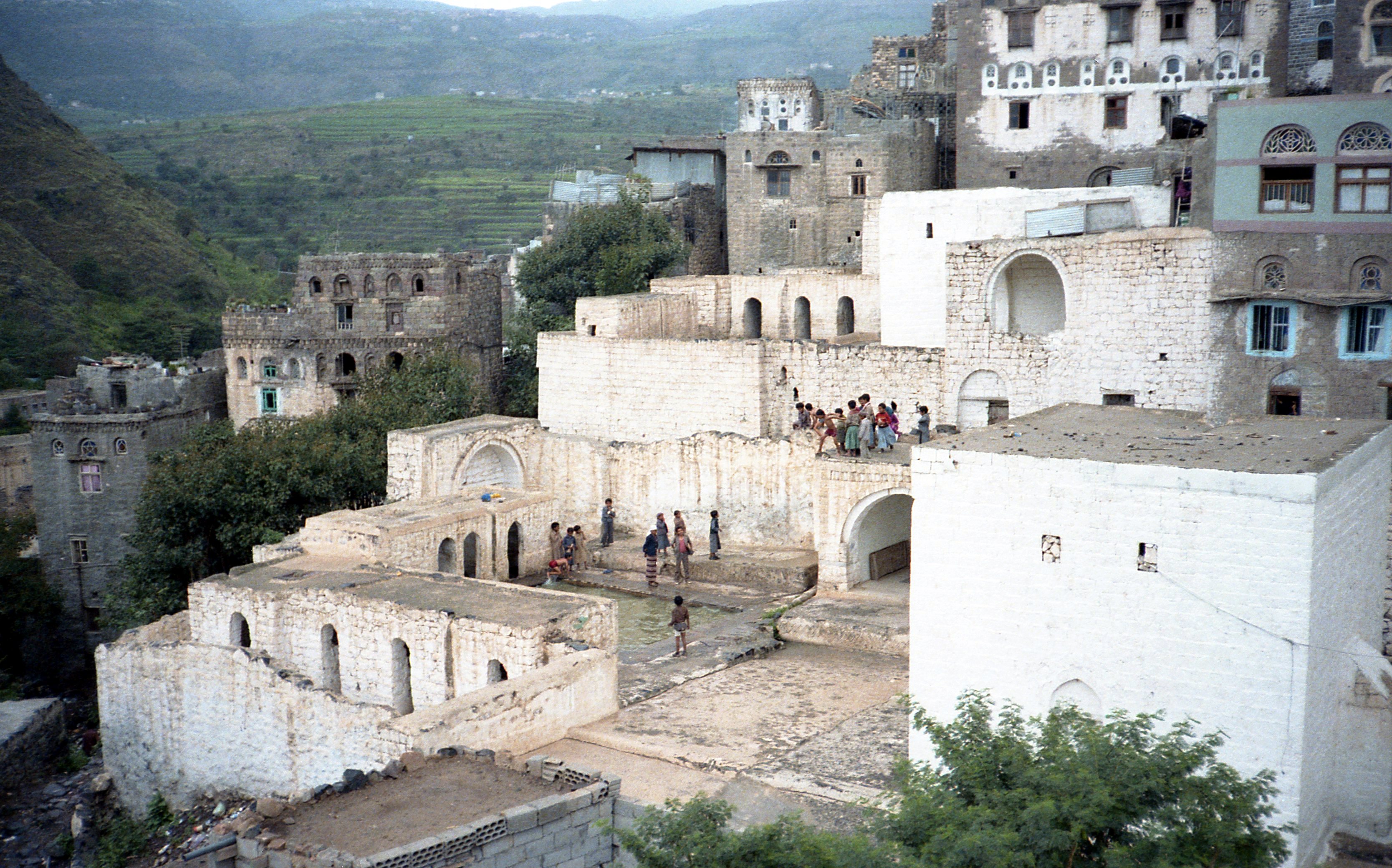
Photo credit: © Wikimedia Commons / Bernard Gagnon
 French
  German
  English