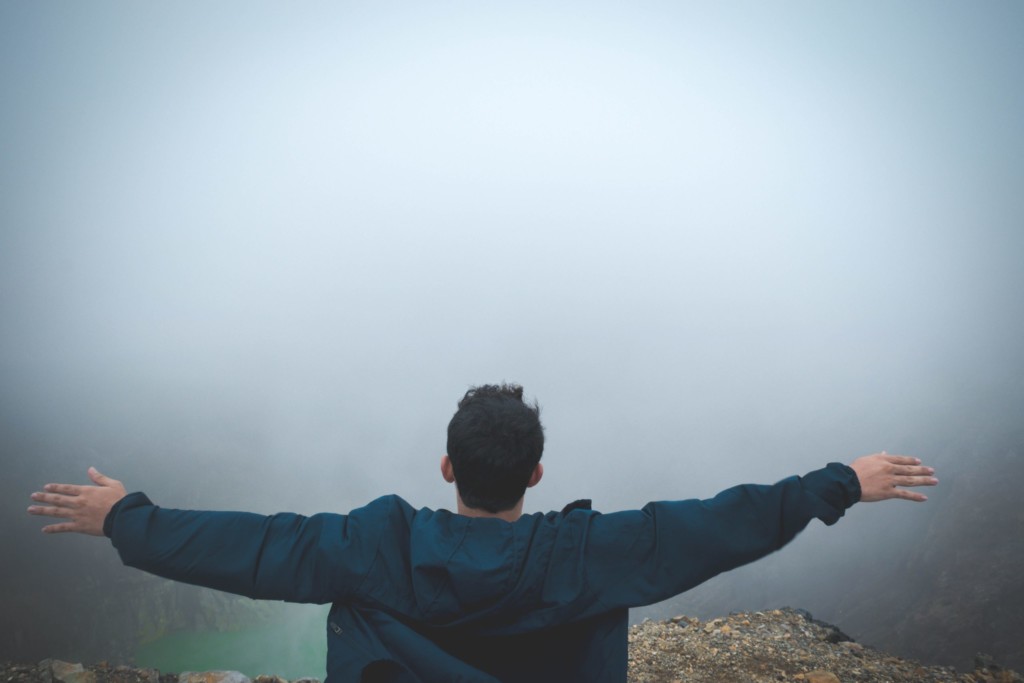
With the progress of science, particularly neuroscience, the possibility of free will is increasingly called into question. Every day, we discover new determinisms, i.e. conditionings to act in a certain way in a given context. Man's capacity for self-determination, which we hold so dear, may appear to be nothing more than an illusion. But before modern science got to grips with it, the question of free will already had a long history. Let's go back to the origins of a founding idea in the history of the West.
ARTICLE LONG FORMAT, Jean-David Ponci | On considère habituellement qu’avec Obama, les Etats-Unis commencent à renoncer à leur rôle de gendarmes du monde. Ce mouvement s’accélère avec Trump, dont le slogan «America First» sonne le repli des USA sur eux-mêmes. Toutefois, c’est curieusement à la fin du mandat de Trump qu’un nouveau pouvoir mondial, toujours en mains américaines, fait montre de sa puissance. Les GAFAM, acronyme pour les grandes entreprises Google, Apple, Facebook, Amazon et Microsoft, censurent certains contenus pour des raisons politiques, révélant aux yeux du monde, scandalisé, qu’ils ne sont pas que des fournisseurs de service. Cette situation historique est propice à une réflexion sur les conditions à fournir pour garantir la liberté d’expression sur le Net. Analyse.
ARTICLE LONG FORMAT, Clément Guntern | At the start of this new century, a new order is gradually taking hold: authoritarianism around the world is gaining in power, and the states claiming to be authoritarian are asserting themselves with increasing brutality. Russia and China are raising their voices and threatening reprisals against anyone who dares to criticize the state of democratic principles and human rights on their territory. While escalation with Russia remains measured, China is agitating, vituperating and sanctioning. For the time being, it is mainly on their own territories that these states are committing more and more crimes, but for powers with global ambitions, it is to be feared that this is an exportable model of governance. Democratic principles are now under direct threat. As a result, democratic states have a duty to respond firmly to authoritarian forces, while leaving the door open to collaboration.
«Coronation»: from the land of the coronavirus to the crowning glory of China's response to the pandemic. Wuhan containment as seen by Ai Weiwei.
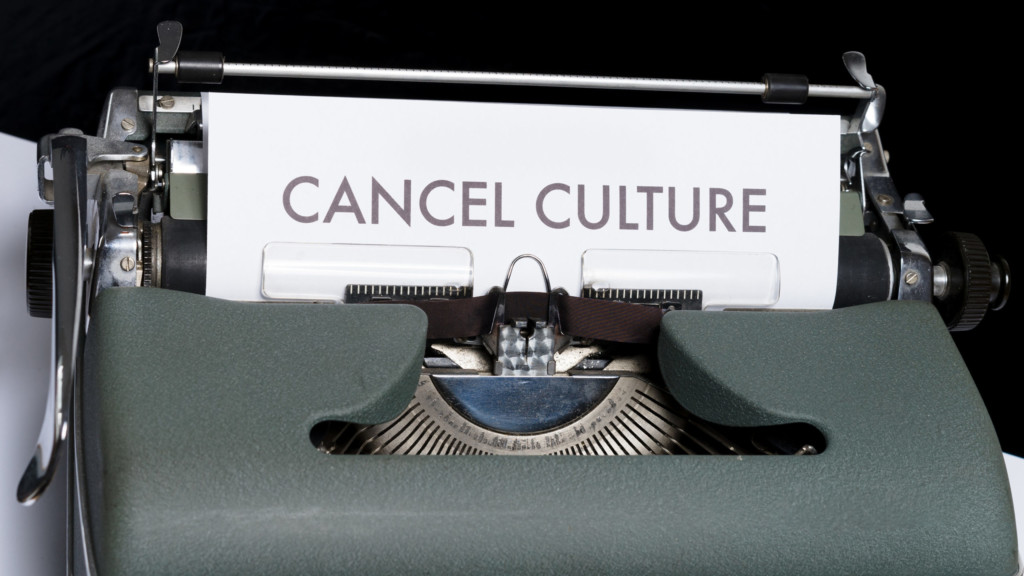
ARTICLE LONG FORMAT, Jean David-Ponci | La culture woke est apparue dans les années 2000 aux Etats-Unis pour décrire un militantisme en faveur des Noirs et, par extension, envers toutes les personnes jugées défavorisées en raison de leur appartenance ethnique, leur sexe, leur orientation sexuelle, leur physique ou leur handicap. De nombreux intellectuels de gauche comme de droite, le plus célèbre étant Barack Obama, ont condamné cette idéologie présente dans les universités. Aux Etats-Unis, la culture woke concerne en premier lieu la défense des Noirs, en particulier avec le mouvement Black Lives Matter, tandis qu’en Europe elle est surtout soutenue par les lobbys LGBT. Même si cette forme avancée de politiquement correct peut nous sembler ridicule, cette analyse nous fera découvrir que nous avons déjà admis les présupposés qui y mènent. Nous sommes tous déjà un peu woke sans en être conscients.
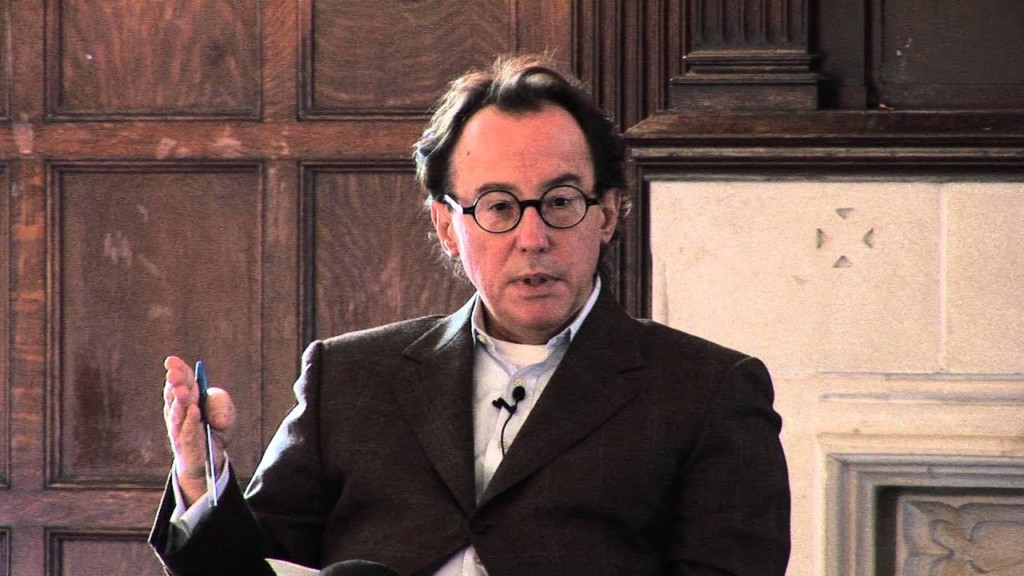
LONG FORMAT ARTICLE, Antoine Bernhard | To understand the ideology currently reigning in some universities, it's worth looking at the recent history of the United States, where this ideology was born. In 2017, the enigmatic Donald Trump was sworn in for four years as head of the world's leading power. Today, it's time to take stock. While all the media agree in decrying Trump's disastrous policies, few analyze the context that has enabled the triumph of a new American populism. Thirty years during which the left has retreated into an increasingly individualistic and anti-republican ideal, disregarding the need for a real political vision. This is what left-wing intellectual and Columbia University professor Mark Lilla analyzed in his 2018 book «The Identity Left».
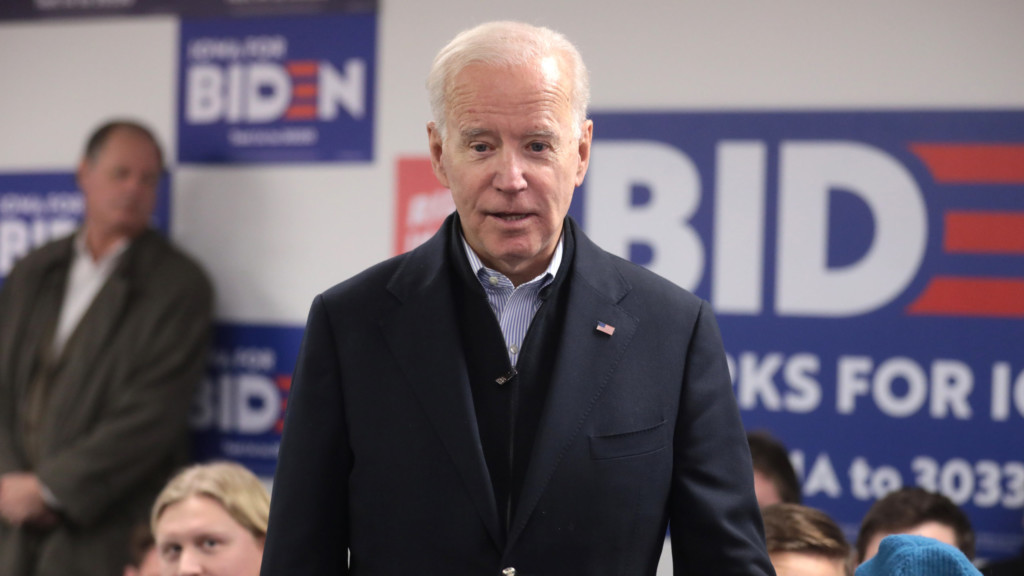
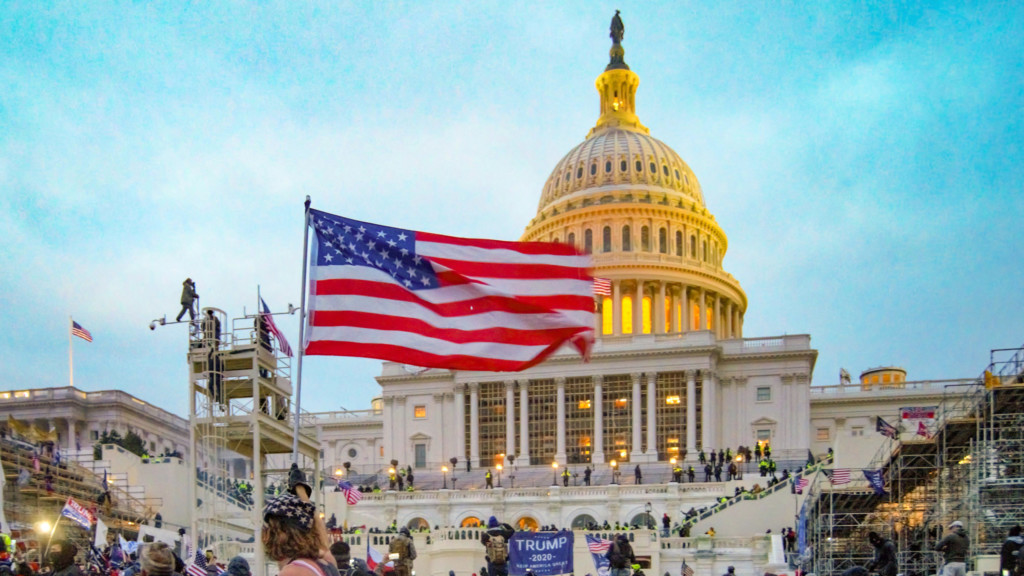
LONG FORMAT ARTICLE, Clément Guntern | Now that Donald Trump's term in office is coming to an end, the question arises: what will he leave as a legacy to his country's history? His personality and political actions may have shocked or impressed, but he is nonetheless perpetuating a trend that has long been present: the national disunity and international decline of the United States.
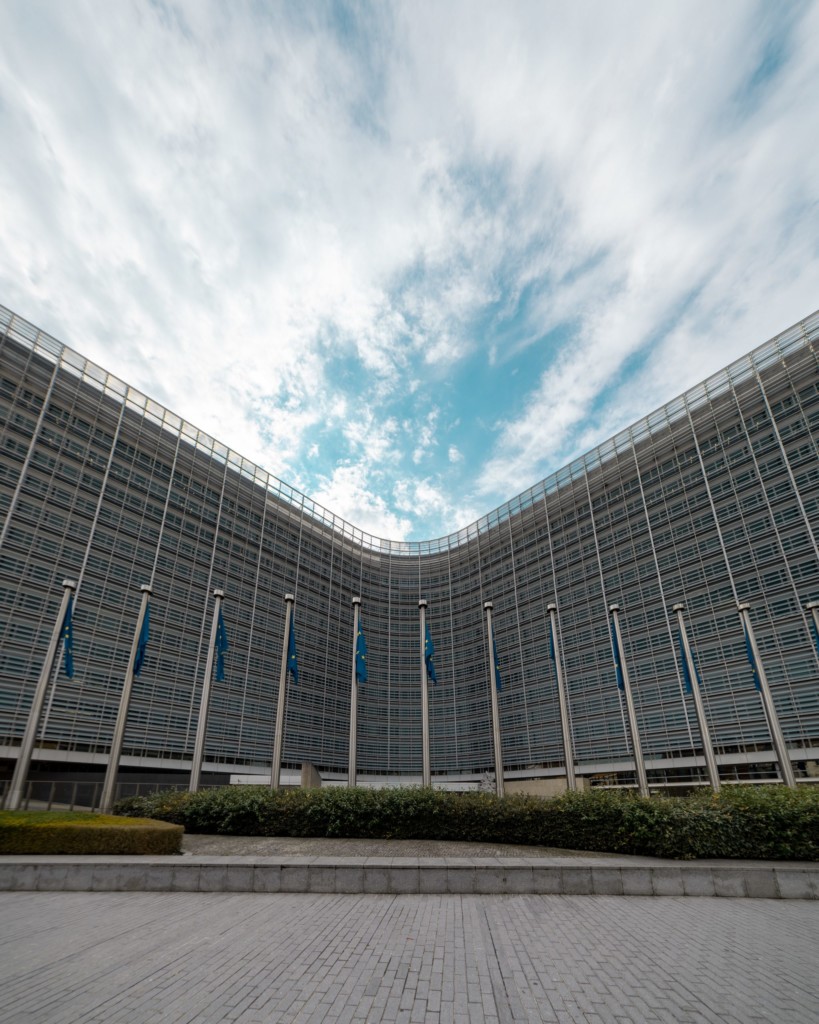
ARTICLE LONG FORMAT, Clément Guntern | En se lançant dans la voie bilatérale au début des années 2000, la Suisse pensait avoir trouvé une forme de cohabitation avec son voisin européen qui serait profitable et adaptée aux particularités suisses. Or, dès sa conception, cette voie était en réalité une impasse politique. Elle le reste aujourd’hui et s’explique par une série de mythes bien ancrés dans notre pays. Pour sortir de ce cul-de-sac, c’est au peuple suisse qu’il revient d’avoir enfin un projet européen. Un acte demandant courage et modestie et qui renforcerait notre identité nationale.
The year 2020, in addition to having seen a pandemic of immeasurable impact, has marked the return, or rather the rebirth, of a notion that was once thought to be obsolete, unsuitable and even dangerous: that of sovereignty. In the space of a few months, the issue has once again become central. But an anachronistic vocabulary tends to overshadow what is really at stake: not the withdrawal of nations into themselves, but the pursuit of balanced regulation of globalization.






 French
  German
  English