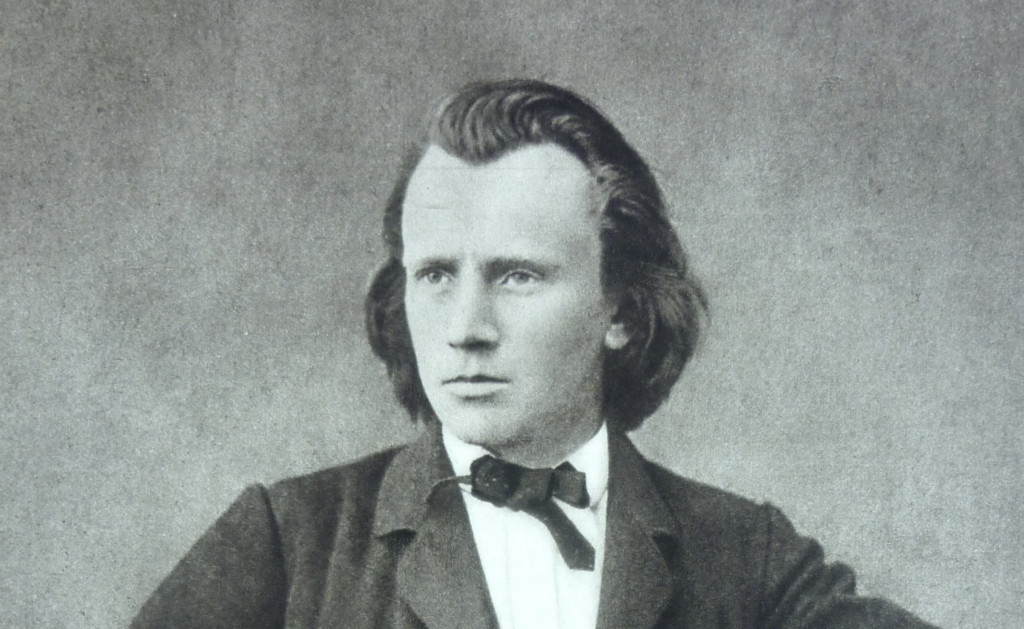
Brahms had a reputation as a misanthrope, and his music was often heavy and too academic. Brahms, a North German, had little love for France, and French composers never ceased to denigrate him. It was said that, thanks to his many trips to Italy, his sauerkraut was often sprinkled with ambrosia, the drink of the gods. It's true... Behind a certain heaviness, there are «divine» passages of intense beauty. That's why, if I had to take just one minute of music to a desert island, I'd take it from Brahms. Brahms is, in fact, a man deeply wounded by an unhappy childhood as a musician in a Hamburg harbor cabaret; but it is from this wound that the sublime music I would choose to keep arises. Perhaps this wound will also help us to understand him better, and to forgive him for his gaucheness.
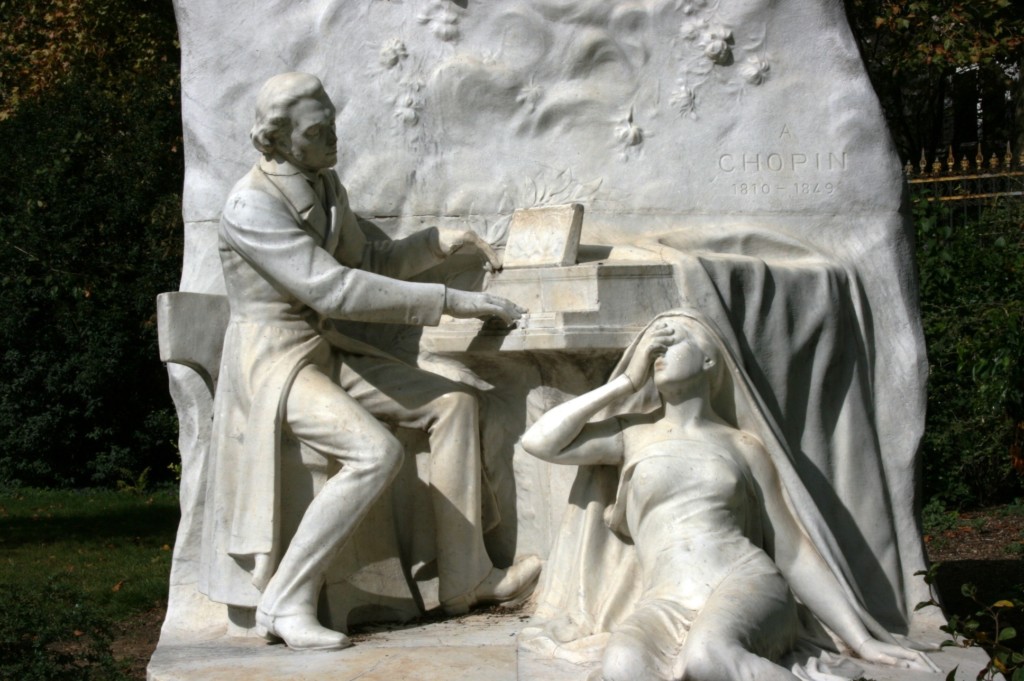
Chopin, exquisitely sensitive, a suffering, fragile, depressive musician... That's how we like to think of him. And yet, Robert Schumann described his music as «cannons buried under flowers». Chopin was in fact a political pianist, a symbol of free Poland. He was also a man of many connections, which is why he was friends with so many famous artists. He wasn't a stage animal like Liszt, but he knew how to be charming and funny. The expression "weapons among roses" also applies to his music: the pleasant, classical, almost rosewater melody is often accompanied by a daring harmony, unique to him, that makes his compositions brilliant.
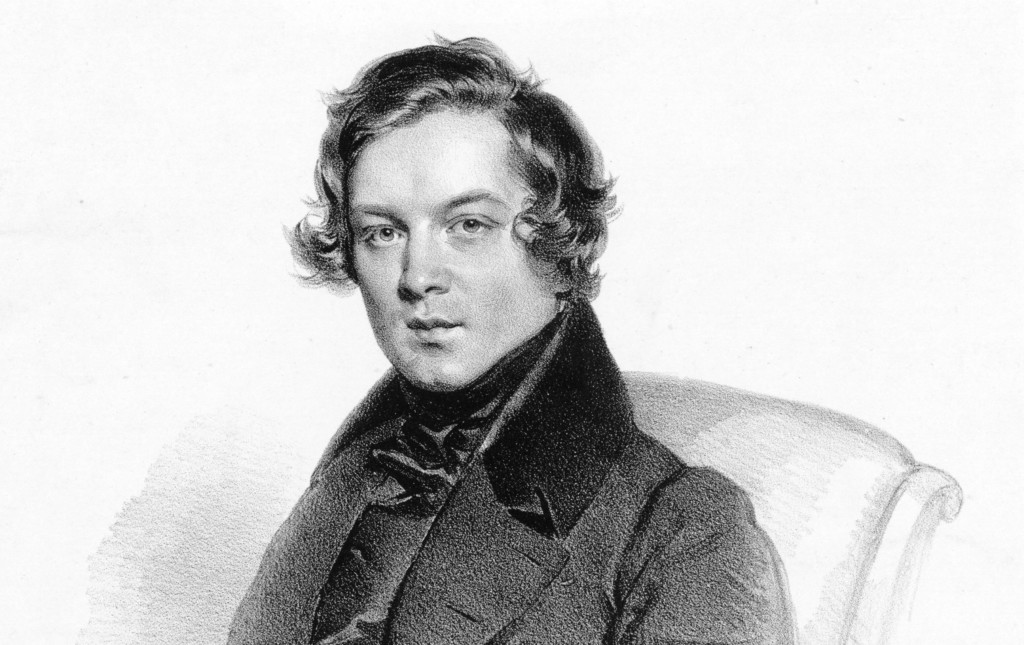
ARTICLE LONG FORMAT, Jean-David Ponci | Dans le sillage de Beethoven, nous avons abordé précédemment les trois géants du XIXe, Wagner, Liszt et Berlioz, que l’on pourrait aussi dénommer les bulldozers du romantisme. Progressistes et innovateurs à l’extrême, ils ne correspondent guère à l’idée de l’artiste romantique, méditatif et fragile. Il est temps de laisser place aux «introvertis» de l’époque qui ont été des géants d’une autre manière. Il a déjà été question de Schubert, il reste Chopin, Brahms et surtout Schumann. Encore aujourd’hui, il est difficile de savoir ce qu’il en était de la folie de Schumann et de son amour pour Clara. Face à une vie auréolée de mensonges par ses proches, il nous lègue une œuvre criante de vérité, des chefs-d’œuvre de sensibilité qui font de lui le plus passionné des romantiques, ou peut-être même le plus romantique des romantiques.
According to Wagner, there were three of them. Berlioz, Liszt and himself: the three giants of the age. It makes you wonder. How could a composer as controversial as Berlioz be a giant? Exalted by some, disparaged by many, the only thing that can be said, at first glance, is that he did not leave his contemporaries indifferent.
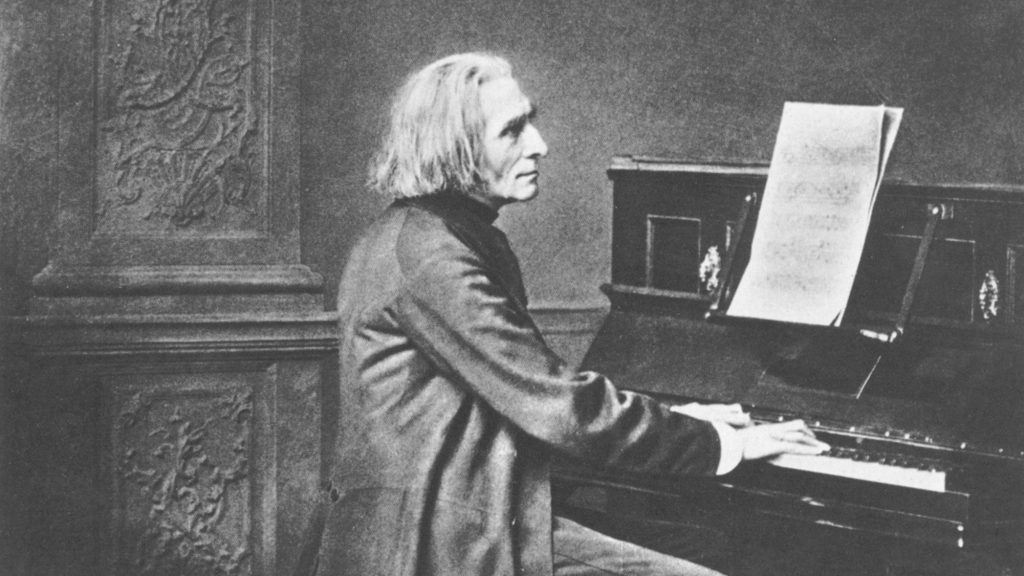
Franz Liszt was above all a generous man.






 French
  German
  English