

Le Regard Libre N° 24 - Nicolas Jutzet
A number of studies have raised a disturbing issue: almost everywhere in the Western world, IQ levels have been falling at an alarming rate since the beginning of the 21st century. This worrying new trend follows on from the 20th century, which saw IQs rise steadily, largely as a result of health and social progress. Laurent Alexandre, surgeon-urologist and enthusiast of the transhumanist movement, explains the phenomenon by the fact that «the best-educated people tend to delay having a first child, in particular to pursue their studies, and therefore have fewer children than those from the most disadvantaged strata of the population». Couple this data with the disappearance of natural selection (which selected the individuals best able to survive, not necessarily the strongest) and you have a disturbing synthesis. Is humanity condemned to decline? Has it hit its «glass ceiling»?
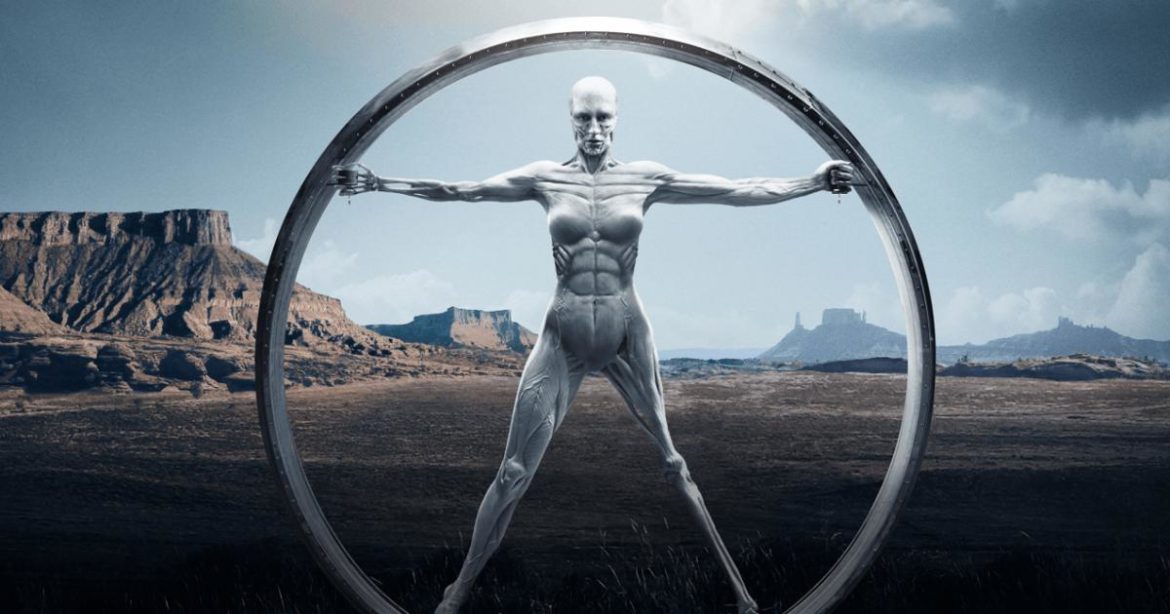
Some refuse to accept this inevitability. Optimists, they are followers of «transhumanism». This movement aims to go beyond the current approach of simply repairing human beings, which to date has been mainly therapeutic. They want to move on to the next stage, that of enhancement in addition to repair. They want to move from therapy to enhancing human capabilities. The convergence of NBIC (nano-bio-info-cognitive) technologies makes this hypothesis increasingly plausible, even certain according to the authors. For this school of thought, the human being appears as an addition of factors that must be analyzed as a universal engineer. Dissect, analyze and remedy man's current weaknesses. Nick Bostrom, an acknowledged transhumanist, justifies this approach on the grounds that humanity faces four possible evolutions: the extinction of the human species; recurrent collapse (cyclical crises); stagnation; post/trans-human evolution (with or without a radical break with the current aspect of the human being). The fourth evolution is preferred.
 French
  German
  English