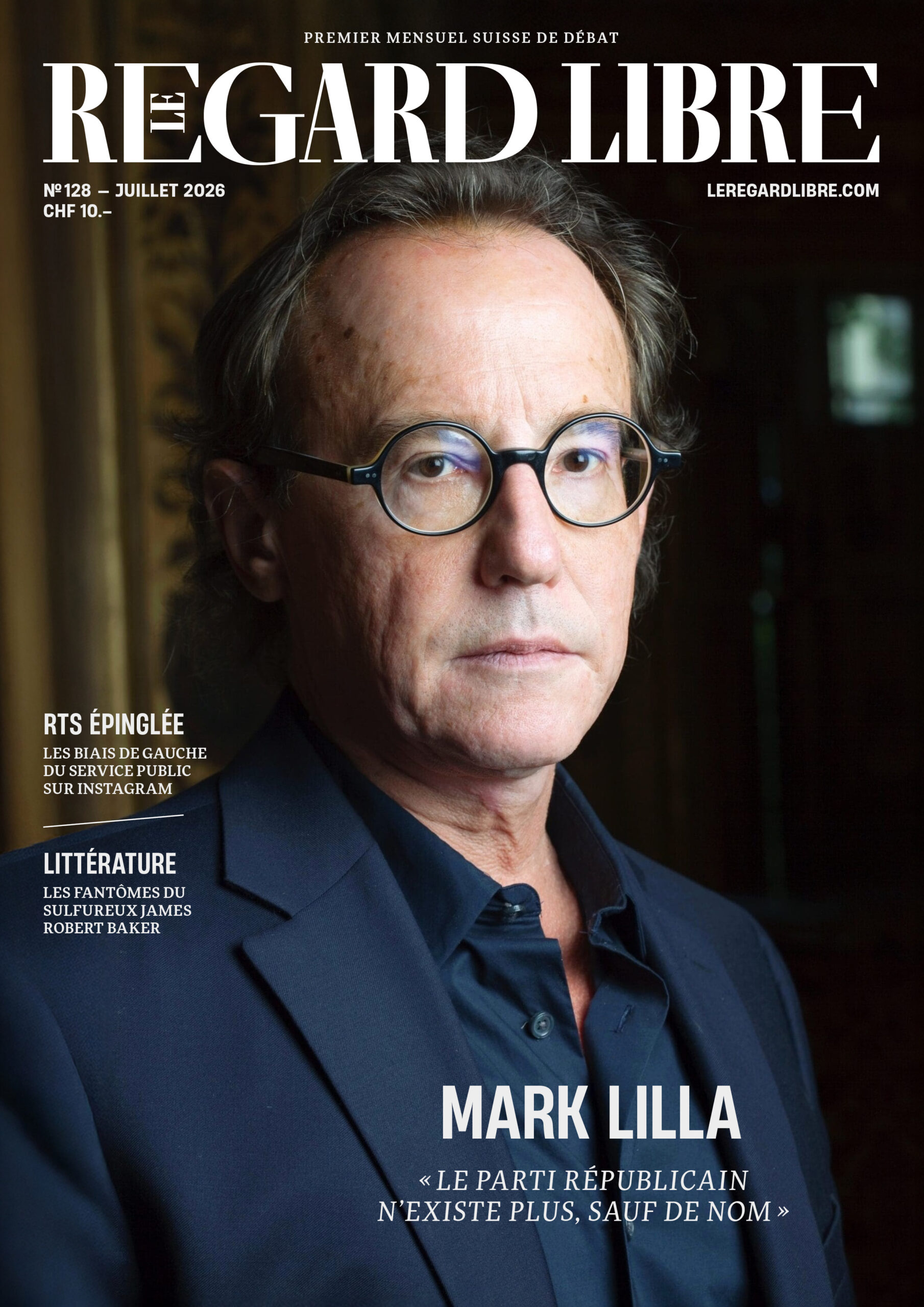




We'll all go to tax heaven...
Le Regard Libre N° 16 - Nicolas Jutzet
Journalism is one of the most important professions in a world that aspires to freedom. It is the journalist's duty to inform others, to relay facts to the general public, in short, to bear witness to the life of the city - a crucial task, which represents a considerable responsibility. To be credible, journalists must demonstrate rigorous intellectual honesty. After all, it's the entire press that suffers when a black sheep strays onto the path of lies and propaganda. And that's where my criticism begins. Let's go back to the «Panama Papers» scandal.
The Panama Papers«
This affair, sold as the scoop of the century, is a vast sham. At best, it's just another opportunity for the general public to spit out their hatred of the possessive in a cathartic, abject fashion. The case is headed by the organization of investigative journalists (ICIJ) which, with the help of a «whistle-blower», gained access to 11.5 million confidential documents from a Panamanian firm.
The ICIJ, which aims to «expose abuses of power, corruption and dereliction of duty by public or private institutions, in order to induce them to act with honesty, integrity, In order to ensure that the public interest prevails, the company, which is responsible for its own actions, uses stolen data to make its revelations. No one was moved, or at least only a small minority in the media world, who were soon marginalized.

So be it. Let's get back to the subject: the fact of which these people are accused is that they own, or have owned in the past, an offshore company (a company set up in a jurisdiction that offers tax advantages to non-residents in exchange for an annual fee to set up in that jurisdiction). Gee, we've got a second problem: owning an offshore company is NOT illegal in itself. It is only illegal if the structure is used for tax evasion (fraud). But it's perfectly legal for tax optimization.
In fact, the media, sometimes referred to as the «fourth estate» (in addition to the legislative, executive and judicial branches), have seriously failed in their duty in this affair. Disregarding the presumption of innocence, they delivered names without reason to a bloodthirsty rabble. Judged in the public square, these horrible traitors to the nation would deserve, to hear the popular vindictiveness, all the misfortune in the world. For the average citizen, even legal tax optimization seems unacceptable. They have the impression that these personalities do not contribute to the «common good» financed by taxation.
Tax is theft
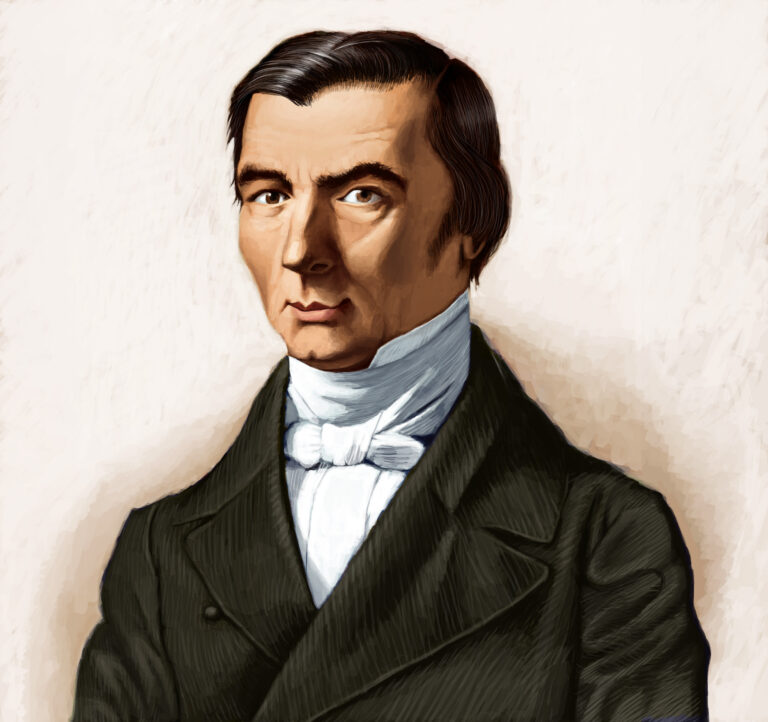
So we're not blaming «illegal» behavior, but «immoral». A fine example of collectivist sophistry. I regret that in the general belief, present in the media as well as in education, tax is seen as something fundamentally positive. As a debt owed to society. Whereas taxes are theft, spoliation, legitimized by «collective need», on the back of private property! Frédéric Bastiat said that «the spoliation is a principle of hatred and disorder, and if it assumes a more particularly odious form, it is above all the legal form.». De facto, tax optimization is not just a right, it's a duty! What if, instead of stigmatizing «tax havens», we were to ask ourselves why we have turned our countries into veritable tax hells? why we have extended the tentacles of the State beyond its sovereign powers?
While every private enterprise operates on the basis of revenues received in the form of donations or payments exchanged for a desired service, the state obtains its revenues by force (coercion). Those who oppose this vision should answer to Murray Rothbard: «State apologists maintain that taxation would in fact be voluntary. To refute this thesis, it suffices to ask what would happen if the men of the State renounced taxation and simply asked for voluntary contributions...». On the other hand, I observe with sarcasm the ingenuity of my fellow citizens (from all walks of life) when it comes to filling out their tax returns. Everyone tries to pay as little as possible, but no one questions the system. Planism has done its work, it has won. It has annihilated any revolt.
Instead of regretting this state of affairs, we have turned it into an inevitability. Decreeing that only the State could take care of certain tasks, we lost control of them. And as the appetite comes with eating, the State has continued to extend its power. In this never-ending spiral, «tax evasion preserves the freedom of citizens by suffocating the state budget. Those who practice it don't just benefit themselves, they do the whole community a service by curbing the proliferation of bureaucracies.» (Christian Michel). By forgetting that the State can only respond unsatisfactorily to the demands of the market (you and me), we have lazily abandoned part of our individual freedom to it. By taking power away from the state, we reduce the amount of arbitrariness. By restoring freedom to the market, we allow mutual consent to operate.
It's important to remember that, contrary to popular belief, opposition to state funding does not mean opposition to the very existence of the activity being funded. Take social benefits, for example. My opposition to state funding doesn't make me an ugly heartless person who wants to see poor people die in the streets. No, my solution would be to return to charity and free association (insurance), and throw out the absurd compulsory solidarity we have today.
While we await a hypothetical paradigm shift, and as long as Switzerland continues to levy absurd «guidance taxes» (tobacco, alcohol, and perhaps soon sugar), which are supposed to protect citizens... from themselves, I feel a certain compassion for taxpayers in trouble with the tax authorities. What if, in the end, they were the least dangerous?
Write to the author: nicolas.jutzet@leregardlibre.com
Photo credit: © Newsfirst

You'll also like

 French
  German
  English
Leave a comment