




Le Corbusier, aesthetic heroism in the service of modernity
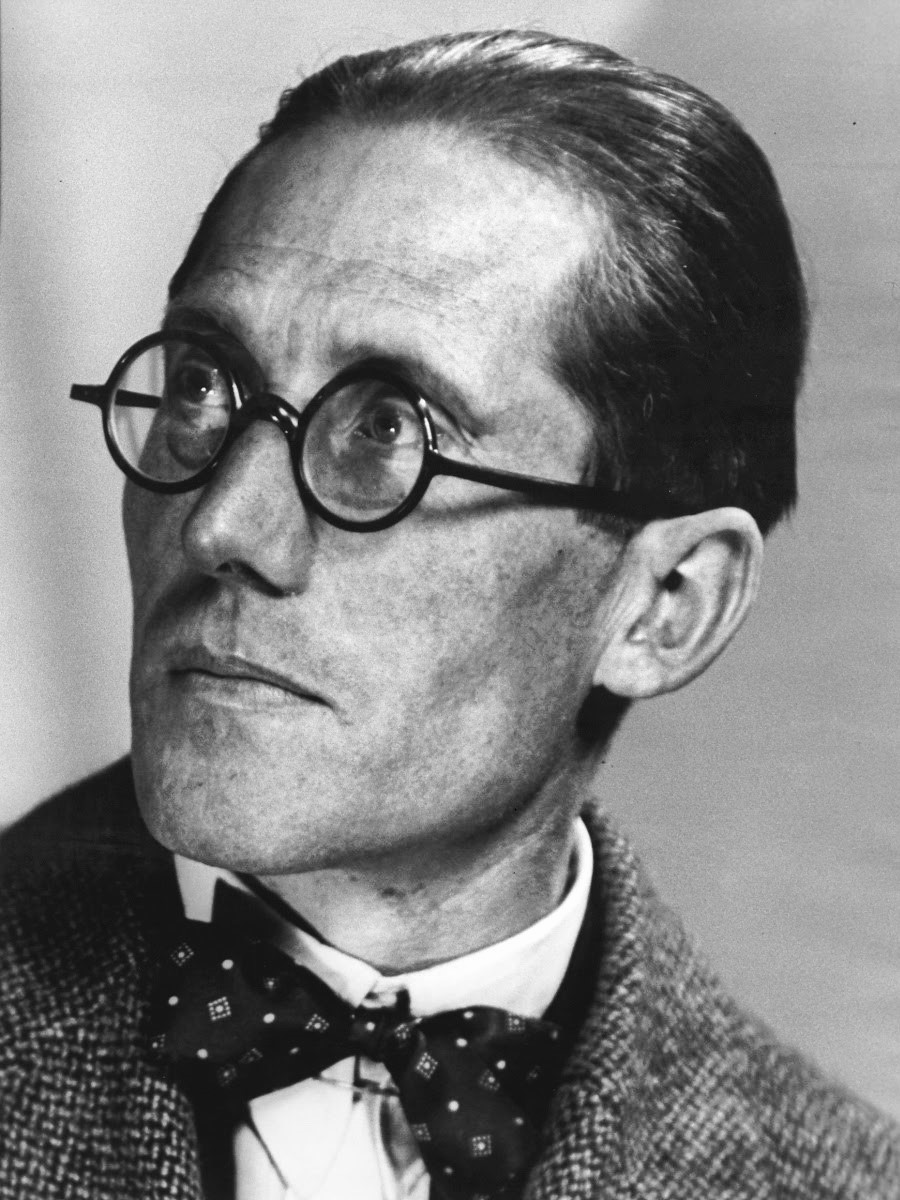
Sixty years after the Swiss architect's death, his work continues to fascinate as much as it criticizes. If it has become canonical, it's because of Le Corbusier's determination to impose his vision of architecture.
«Switzerland has a genius for mediocrity.» With these words Such men, A book written in 1942 by journalist and essayist Fernand Gigon. In it, he presents the achievements of a series of Swiss whose talent and extraordinary career paths have been recognized beyond national borders. In this way, the author attempts to show that Switzerland's independence and good image are largely due to a few men whose qualities are not recognized in their home country. According to him, this phenomenon is due to the fact that «the greatest of these men are recruited from among the most rebellious». They live and act against the tide of their times, or at the very least of the society they come from.
Read also | The heroes of l'Aéropostale
In Gigon's series of portraits of such figures as composer and conductor Ernest Ansermet, scientist Auguste Piccard, musicians Emile Jaques-Dalcroze and Arthur Honegger, and writer Blaise Cendrars, one name stands out: Le Corbusier, to whom the author dedicates the first chapter of his book. The importance he attaches to this architect and urban planner, born in 1887 in La Chaux-de-Fonds, stems from the fact that his work would make him as much a revolutionary as a visionary. What Gigon praises about Le Corbusier is the courage with which he conceived his most controversial and emblematic projects. According to the essayist, this audacity is akin to heroism. Yet, sixty years after his death, his most emblematic achievements continue to inspire some architects fascinated by their subversive character.
Revolutionary and a model for today's architect
In Towards architecture, In one of the manifestos he drew up to defend his vision of a modernism uninhibited by its discipline, Le Corbusier asserts that «if we face the past, we find that the old codification of architecture, overloaded with articles and regulations, ceases to interest us». This assertion illustrates the very brutal way in which Le Chaux-de-Fonds envisaged the transformations of urban space that he felt most European cities should have undergone.
Certainly, the profoundly iconoclastic vocation of his Voisin plan, which aimed to raze the center of Paris to the ground to build cruciform skyscrapers, no longer convinces anyone today. The same is true of his plans for Algiers or Venice, whose invasiveness rightly puts off anyone who sees them. In spite of this, Le Corbusier succeeded in imposing his conception of architecture with ideas that still enjoy a certain degree of credibility today.
Read also | The national hero, a national trauma?
This is true of the five «points» he enunciated in 1927 in the hope of bringing about a new architecture: the aesthetic and pragmatic interest of equipping his buildings with full-length windows, supporting them with pilings, ensuring that a roof terrace overhangs them, designing dwellings on the basis of a free plan, and elaborating facades independent of the main structure of the building. He applied some of these principles in buildings he designed in Switzerland, such as the Villa Le Lac in Corseaux (VD), the Clarté building in Geneva and his Pavillon in Zurich.
During their authors« lifetime, these creations were not always understood by the Swiss public. And yet, many of the international architects whose work is now considered to be of major importance used his injunctions to design some of their most remarkable creations. The German-American Mies van der Rohe, for example, used the concept of the long window to design his Farnsworth villa, supported on stilts. The same is true of many of Renzo Piano's buildings. As for the configuration of the roof terrace of the Fondation Louis-Vuitton by the American-Canadian Frank Gehry, it seems directly inspired by that of the roof of the Le Corbusier Pavilion in Zurich. Didn't Tacitus say that »posterity renders to each man the honor that is his due"?
Founder of the Cercle fribourgeois de débat, Antoine Lévêque is an editor at Regard Libre. Write to the author: antoine.leveque@leregardlibre.com
You have just read an open-access article from our dossier «Our heroes», published in our print edition (Le Regard Libre N°118)
You'll also like
 French
  German
  English
Leave a comment