Disappointed by a field that had become overly technocratic and by the marginalization of the status of the self-employed, I decided to abandon my law studies after only five days. Here is a plea in favor of literature, history, and a more humanistic education.
Last autumn, Geneva's Grand Council supported a motion banning smoking on terraces during mealtimes. Yet another absurd measure in a canton that confuses public health with the guardianship of individuals.
At a time of reconfigured political cleavages in Britain and Europe, Thatcherite thinker Mark Littlewood gives his views on the future of the right and the place of liberal-conservatism in Britain and the West.
The term populist is a modern invention. Yet it says nothing about a dynamic whose mainspring can be found as far back as antiquity: criticism of the imperfections of the political system, with the aim of amending it.
The news channel is overtaking BBC News Channel in terms of average audience in the UK, and is acting as a megaphone for red-wall England in a climate of growing distrust of public broadcasting.
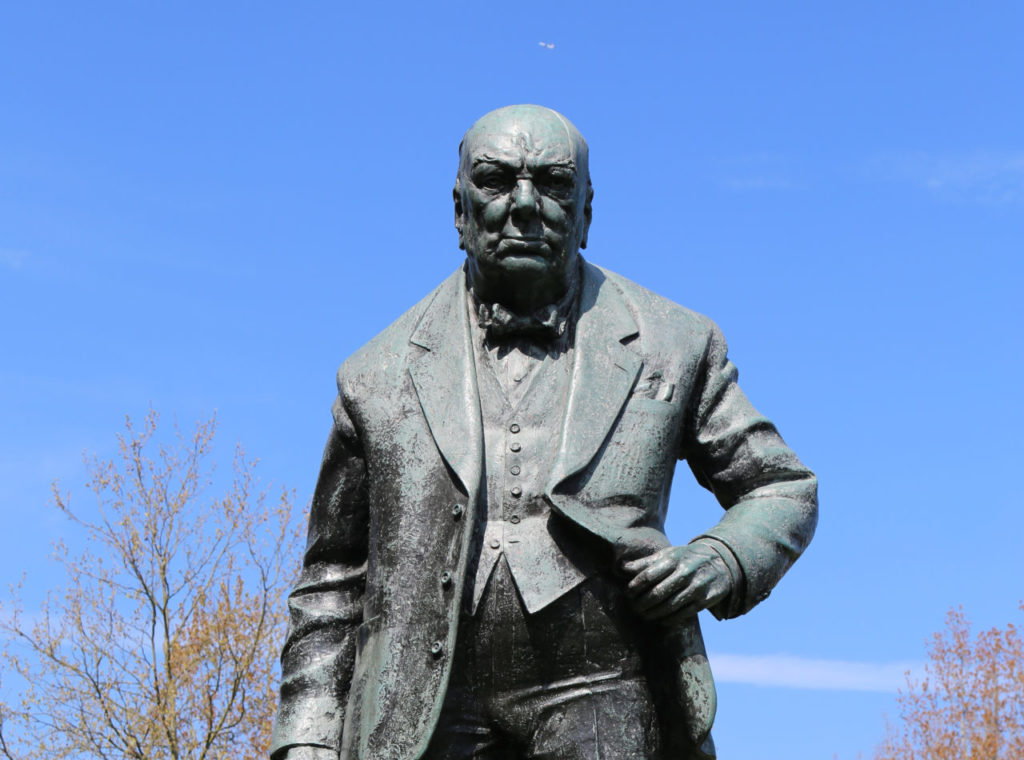
When he died sixty years ago, Winston Churchill was universally celebrated as Britain's saviour. Today, his statue is the target of vandalism. This deterioration in his image can be explained by several historiographical turning points.
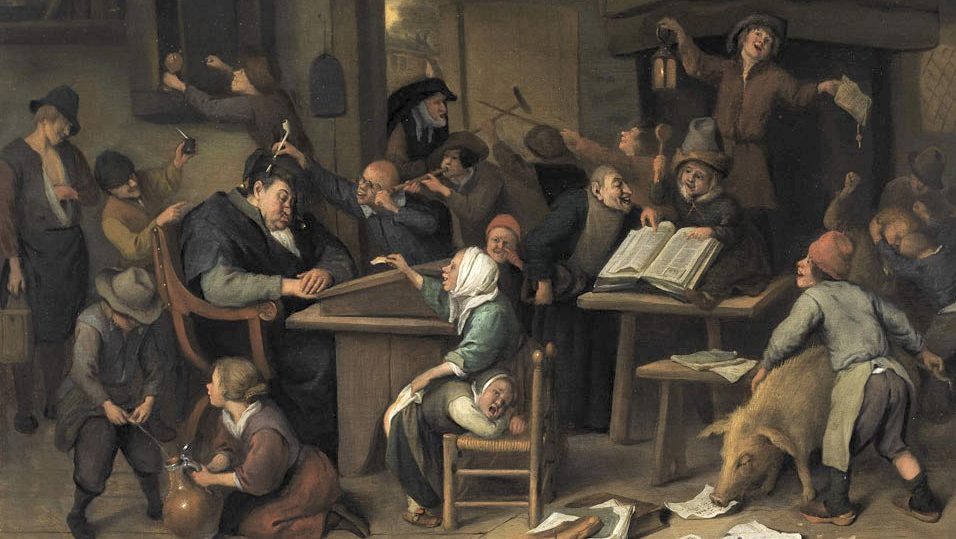
While Rousseau's writings paved the way for a literature of intimate education, they also gave shape to the stereotypical vision of the preceptor that dominated the French literary landscape until Stendhal.
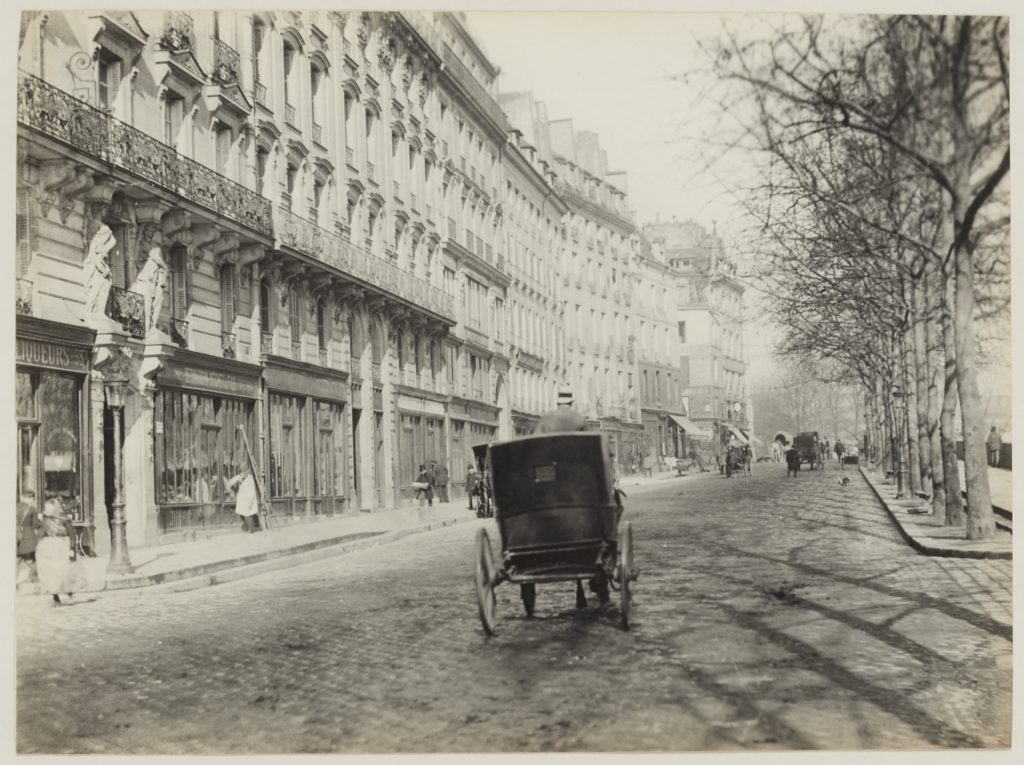
Since Flaubert, love scenes in carriages have become a classic of French literature. Proust's use of this device to describe sexual relations shows both the interest and the limits of the famous fiacre scene.
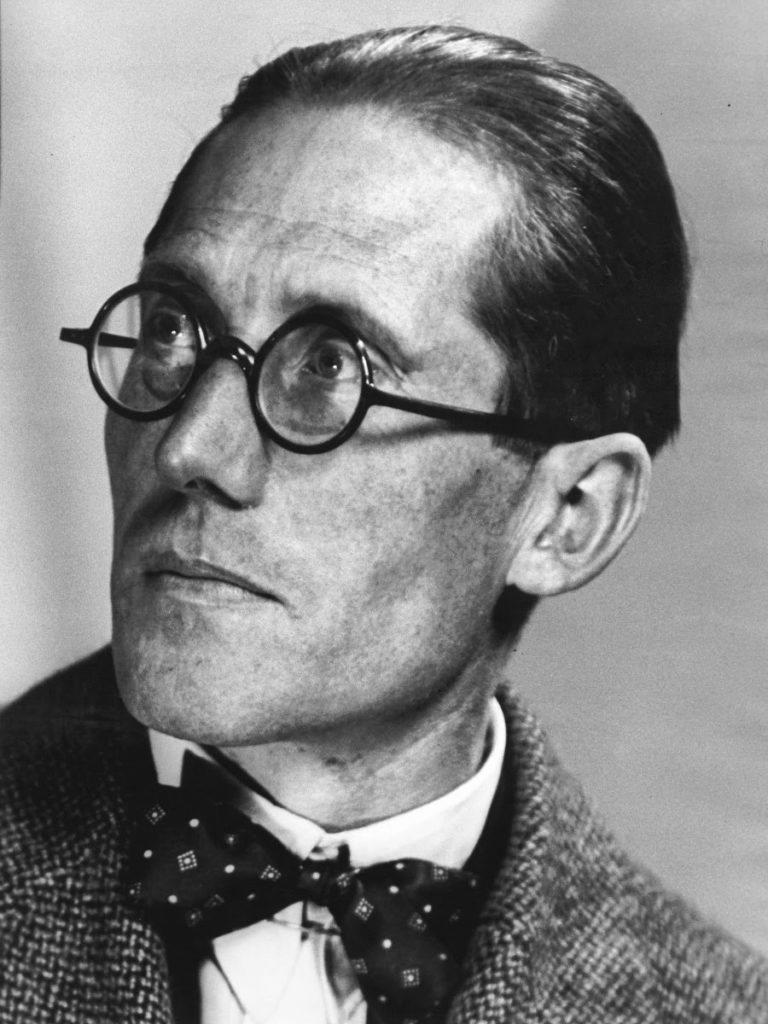
Sixty years after the Swiss architect's death, his work continues to fascinate as much as it criticizes. If it has become canonical, it's because of Le Corbusier's determination to impose his vision of architecture.








 French
  German
  English