




Biel Photographic Days
Unpublished article - Marina De Toro
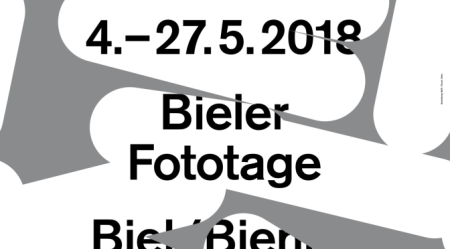
From May 4 to May 27, 2018, discover the 22th edition of the Journées photographiques de Bienne, whose direction has been taken over by Sarah Girard since February of this year. The Journées consist of exhibitions in six different locations in the city of Biel: the Photoforum Pasquart, the Nouveau Musée, the Gewölbe Galerie, the Farelhaus, Le Grenier and Schule für Gestaltung.
This year, it's happiness - or rather, the way it's represented to us - that's being questioned by the many professional photographers. They come from the four corners of the globe, but also include Swiss photographers such as Thomas Brasey, Calypso Mahieu and many others. In addition to the exhibitions, a variety of events will enliven these four photographic weeks, including conferences, workshops, screenings, competitions and tours. In a meeting with Sarah Girard, we discussed the event in greater depth, as well as the contemporary uses of images in our society.
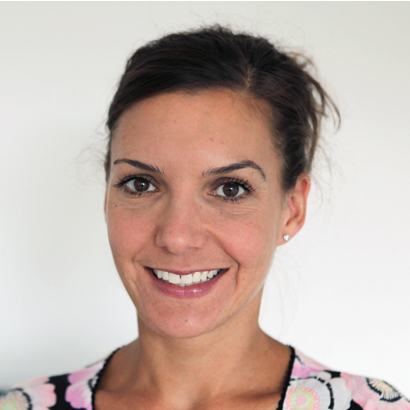
Sarah Girard, director of Journées photographiques de Bienne since February 2018
The festival, its projects and events
The festival will take place over four weeks with twenty-three exhibitions including that of the work of nineteen photographers as well as collective projects. The Journées photographiques will kick off on May 4, 2018, with an opening reception introduced by a performance from Geneva's Am Stram Gram theater. The aim of the festival is to present new photographic trends in Switzerland and abroad by young artists. The aim is also to show photography as a «civic endeavor», according to Sarah Girard, and to consider «the photographer as an active member in his or her social environment.»
Alongside the permanent exhibitions, events will take place to enliven the festival and deepen photographic discovery in relation to the question of happiness. There will also be screenings and lectures, including one on «Photography and sociology: crossed histories» hosted by Michaël Meyer (University of Lausanne) and Fabien Reix (Centre Emile Durkheim), who will present the simultaneous birth of photography and sociology. French photographer Sandra Mehl will also present a work related to sociology, in which she follows two teenage sisters as they develop their identities.
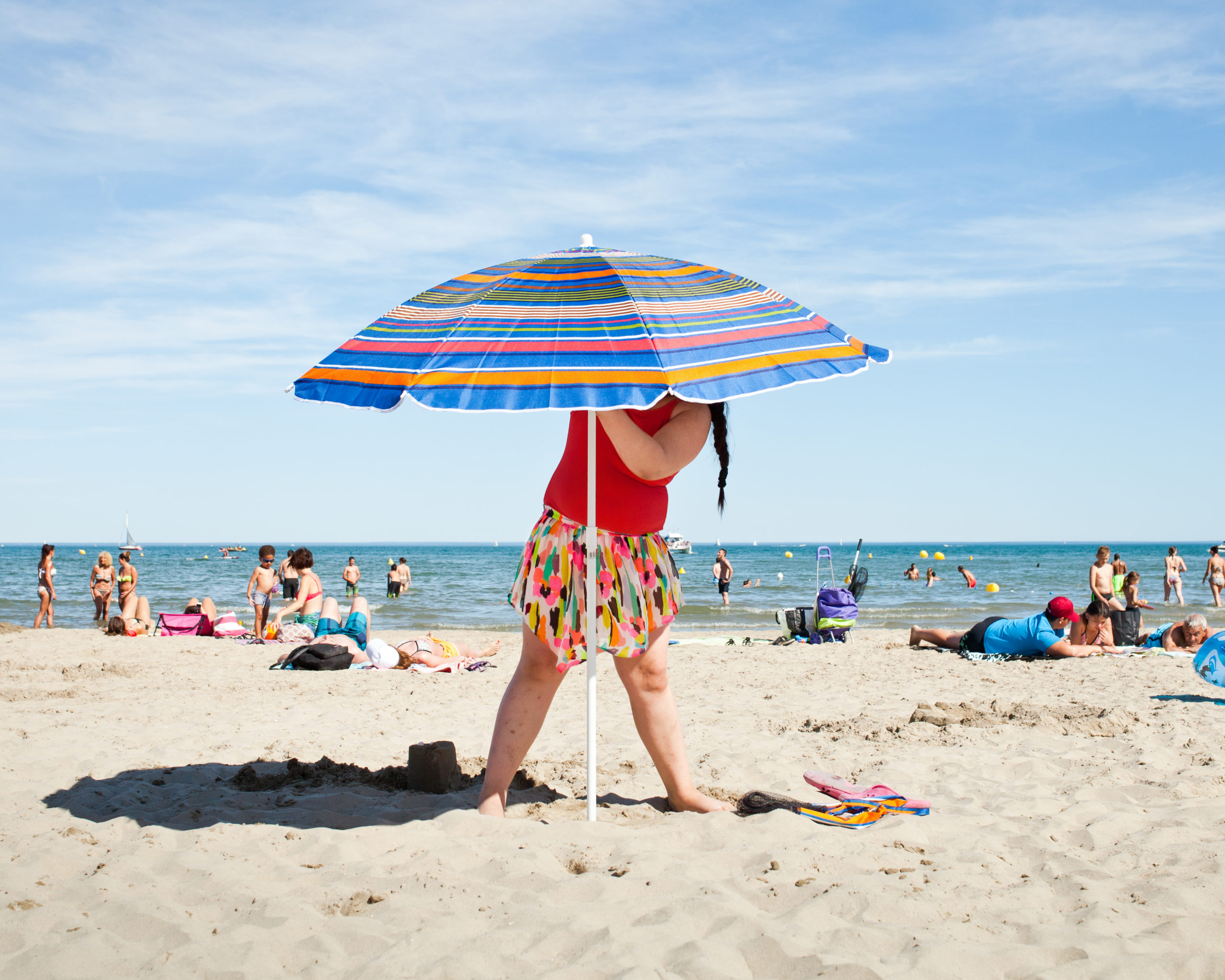
Sandra Mehl, Ilona and Maddelena, 2016 © Sandra Mehl
On the Swiss side, Thomas Brasey's work will offer a vision of the remnants left behind by the Bélier group in the 1970s in support of Jura independence. In «Les formes de l'illustration du pardon», Hungarian artist Lana Mesìc exhibits photographs of the victims and persecutors of the genocide in Rwanda in the 1990s. The artist presents the encounters she organized between victims and persecutors to «help them measure forgiveness», as Sarah Girard explains. Forgiveness is presented here as a possible path to happiness. During the last week of the festival, a reflection on the perspectives between cultural mediation and photography will be proposed with Franziska Dürr, Christine Loriol and Kuverum 10 as guests.
Photography is a constantly evolving art form, and always manages to innovate thanks to new technological tools. A case in point is the collective project «Photographing Virtual Spaces», in collaboration with the Fotomuseum Winterthur, which will be exhibiting work from workshops devoted to photography in virtual spaces. The exhibition opens on May 6 at Photoforum Pasquart. Then, on the other side of Seevorstadt Road, the Swiss National Science Foundation will be presenting the results of a scientific photography competition at the Schwab Museum.
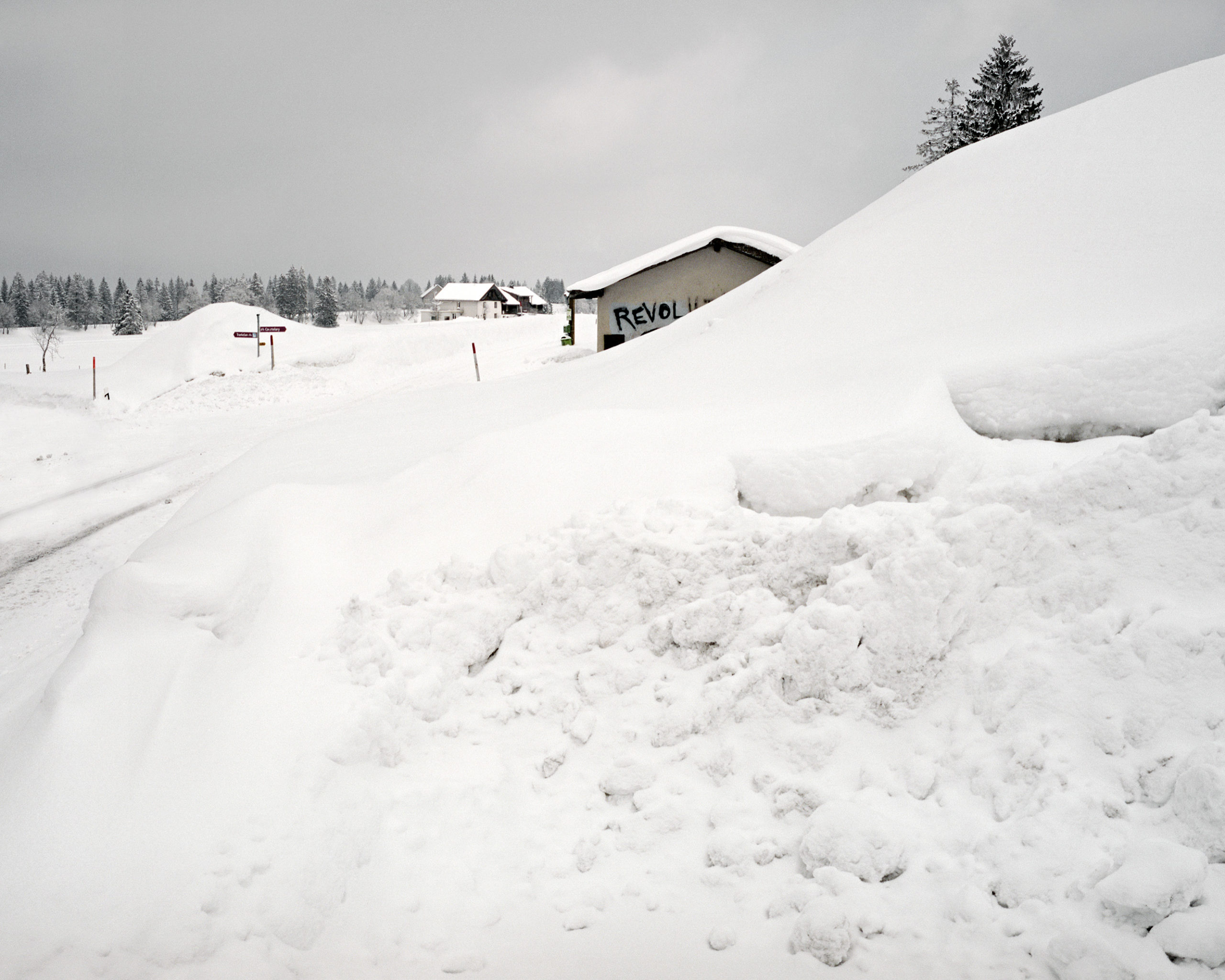
Thomas Brasey, LIBRE 2012-ongoing © Thomas Brasey
Photography as engaged art
Professionally practiced photographic art is indeed a committed approach. It's about using images to question photographic and social practices. Today, the use of new media such as social networks raises questions about the current use of the image. Several Journées photographiques exhibitions, such as the aforementioned «Photographing Virtual Spaces», will explore new ways of using images.
In addition to his artistic production, Dutch artist Constant Dullaart's work is based on a committed approach. His work, entitled «Le socialisme adapté aux réseaux sociaux» (Socialism adapted to social networks), deviates from competitive business practices on the networks, based on the number of users. followers. The artist managed to equalize the number of followers between several companies to short-circuit a system that holds users' attention for commercial purposes. At the Photoforum Pasquart, he will be exhibiting profiles from social networks, showing the number of followers that he may have modified.

Constant Dullaart, High Retention, Slow Delivery, 2014 © Constant Dullaart
The festival is very diverse, with photographers producing images, but also ethnologists and sociologists questioning the different uses and productions of images. Swiss artist Calypso Mahieu has turned her attention to the digital mausoleum, the still-active profiles of people who have passed away. Her exhibition explores the sensitive subject of death in relation to the ever-changing virtual world.
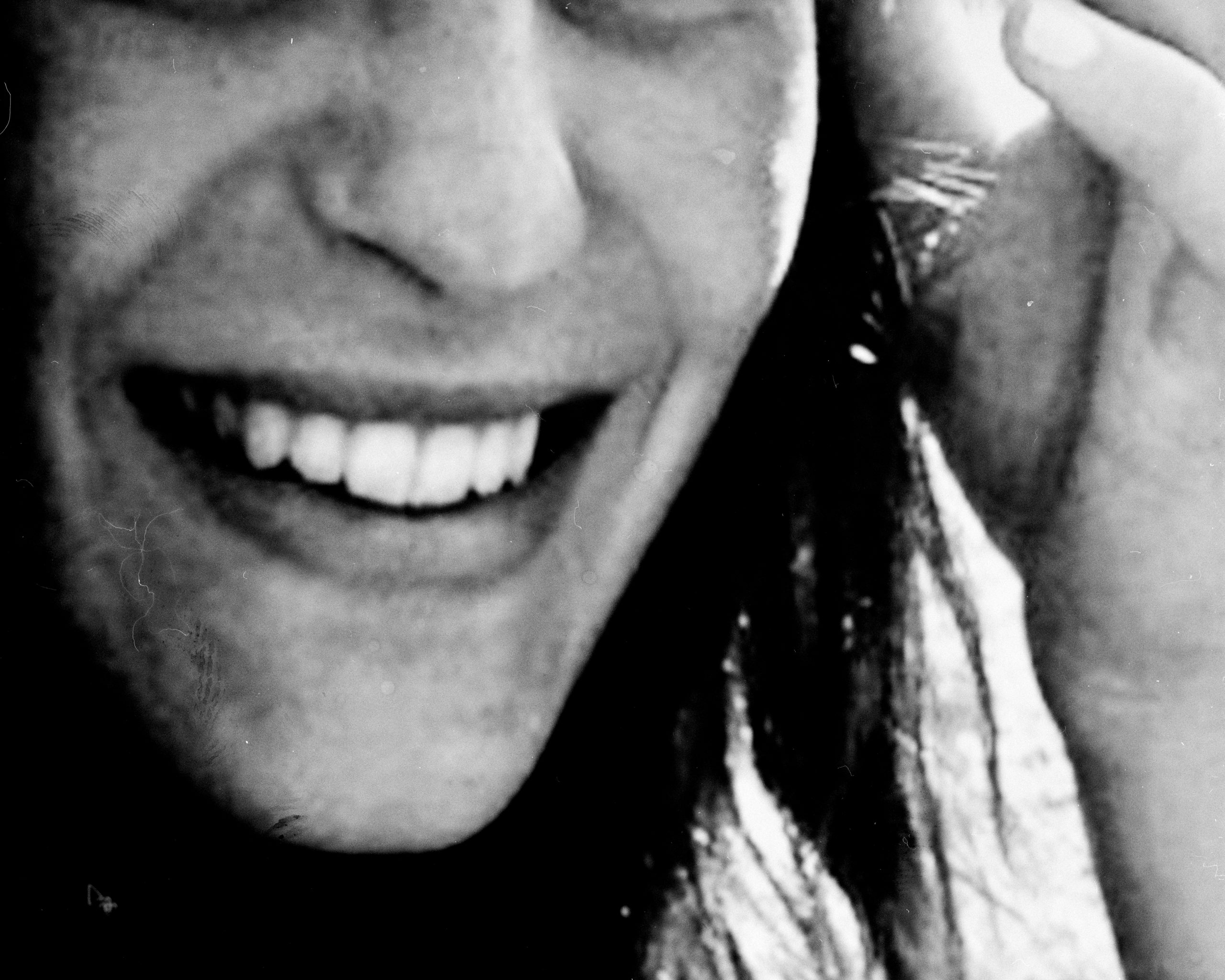
Calypso Mahieu, Je Vivrai Pour Toi, 2017 © Calypso Mahieu
Happiness as a photographic question
Each exhibition focuses on a common theme: happiness. Admittedly, it's a vast subject, but one that ties in perfectly with photography, insofar as our current society is very focused on the image as a representation of reality. In the final analysis, happiness is just an image, the representation of which is unique to each individual, but it is also a universal quest. So how do we represent happiness through our contemporary use of images? What are the territories of happiness?
Sarah Girard cites family albums as a typical example of the representation of happiness in images: birthdays, family reunions and vacation memories. Family photos are often sorted to keep only those that faithfully embody the joy of the moment. According to the festival director, family albums are not only a sociological reference for the idea of happiness, they also form the basis of an individual's identity. Happiness is therefore the main subject of these albums, unlike unhappy moments, which are very rarely immortalized and preserved. Instead, the exhibiting photographers will question the negatives of these family photos, i.e. those we don't keep, or don't take, but which evoke moments that also build us up.
New uses for images
Looking at today's society, images and video are the ubiquitous elements of information and communication. What's more, anyone can create visual or audiovisual content, thanks to the new technologies now accessible to all. Yet this phenomenon has developed in just a few short years, and the uses to which images are put have changed considerably since the beginning of the 21st century. Sarah Girard evokes the tragedy of September 11, 2001 as a turning point in the use of images:
«This was one of the first dramatic events to be transmitted through amateur videos and photographs. All of a sudden, information was transmitted not only by professionals, but also by amateurs. This event surely marked the beginning of a new form of communication and use of images.»
We then see the posture that the individual can have: «he or she can be both subject and author of a photograph», emphasizes Sarah Girard. Visit selfie is the most representative example of these new photographic practices.
This photographic festival is perfectly situated in today's questioning of the image and technological developments. In particular, it aims to reveal the different ways in which photography can be approached, whether from a scientific point of view with sociology or virtuality, or from a philosophical perspective by questioning the notion of happiness. The Journées photographiques also give visitors the chance to explore the city of Biel and its cultural venues, thanks to the many exhibitions scattered across different spaces. In the final analysis, even if the title «Journées photographiques» evokes photography alone, interdisciplinary events are also on offer throughout the festival, which is just as suited to lovers of images and art as it is to science enthusiasts.
Write to the author : marina.detoro@leregardlibre.com
For further information, visit the Journées photographiques de Bienne website: http://www.bielerfototage.ch/fr/home.html
Vous aimerez aussi
 French
  German
  English
Laisser un commentaire