The year 2020, in addition to having seen a pandemic of immeasurable impact, has marked the return, or rather the rebirth, of a notion that was once thought to be obsolete, unsuitable and even dangerous: that of sovereignty. In the space of a few months, the issue has once again become central. But an anachronistic vocabulary tends to overshadow what is really at stake: not the withdrawal of nations into themselves, but the pursuit of balanced regulation of globalization.
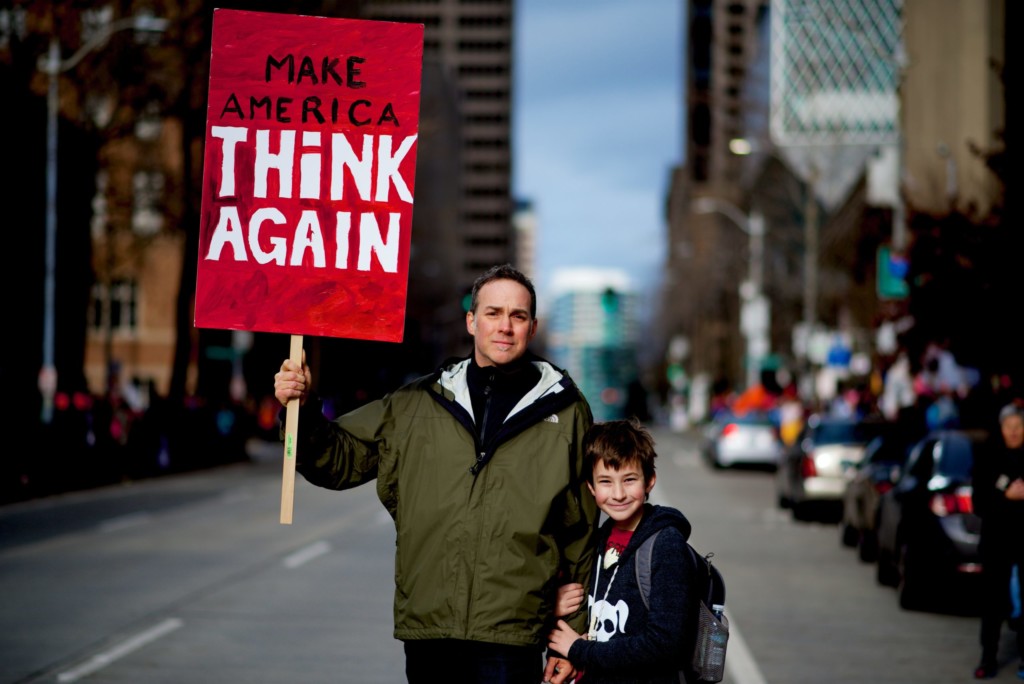
The country that has been called the first of democracies, the one whose merits and vigor have been praised for so long, now seems to be out of breath. The chaotic «debate» between Joe Biden and Donald Trump bears witness to this. The roots of the problem run so deep that it would be unfair to attribute the current situation to any particular president. It is up to American society as a whole to deal with the evil that is eating away at it: rampant polarization.
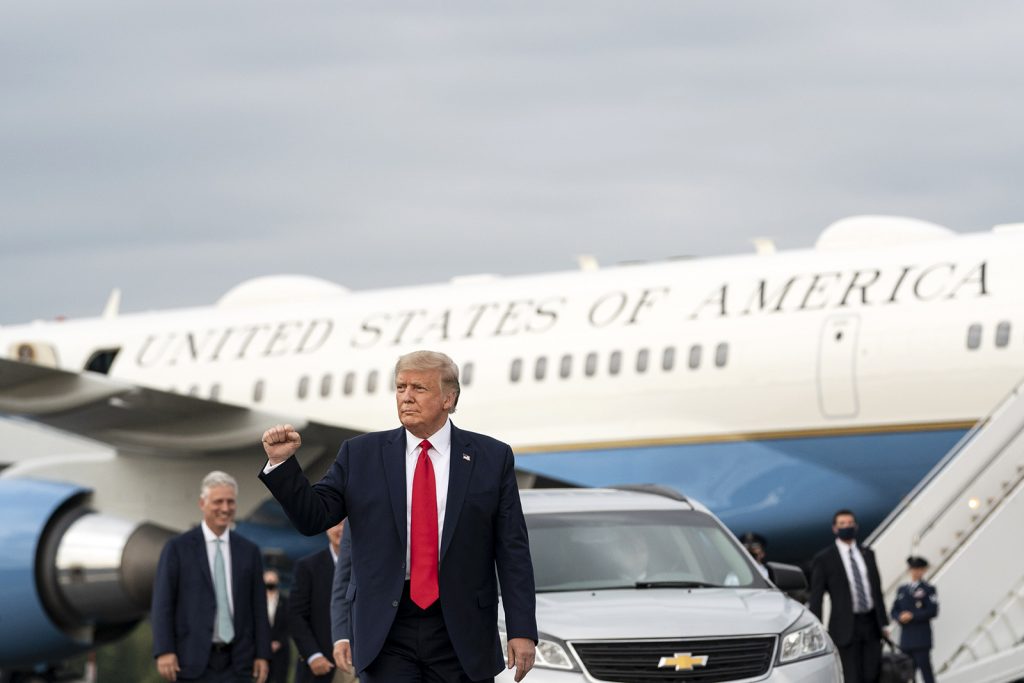
Whether or not Donald Trump emerges victorious from the November elections, the Republican Party, to which he has attached himself, will find itself reshaped by his presidency. With the coronavirus crisis and polls undermining the Trump candidacy, Republicans are already squabbling over the future of the Grand Old Party. Ideological refocusing looks set to be difficult.
At a time when Africa is still experiencing record levels of poverty, a different future could be emerging. Often torn between confidence and pessimism, the international community must realize the limits of its action and redirect it towards other priorities.
A continent that cannot be summed up
La première étape d'un changement plus large
Everything related to globalization
The continent of globalization










 French
  German
  English