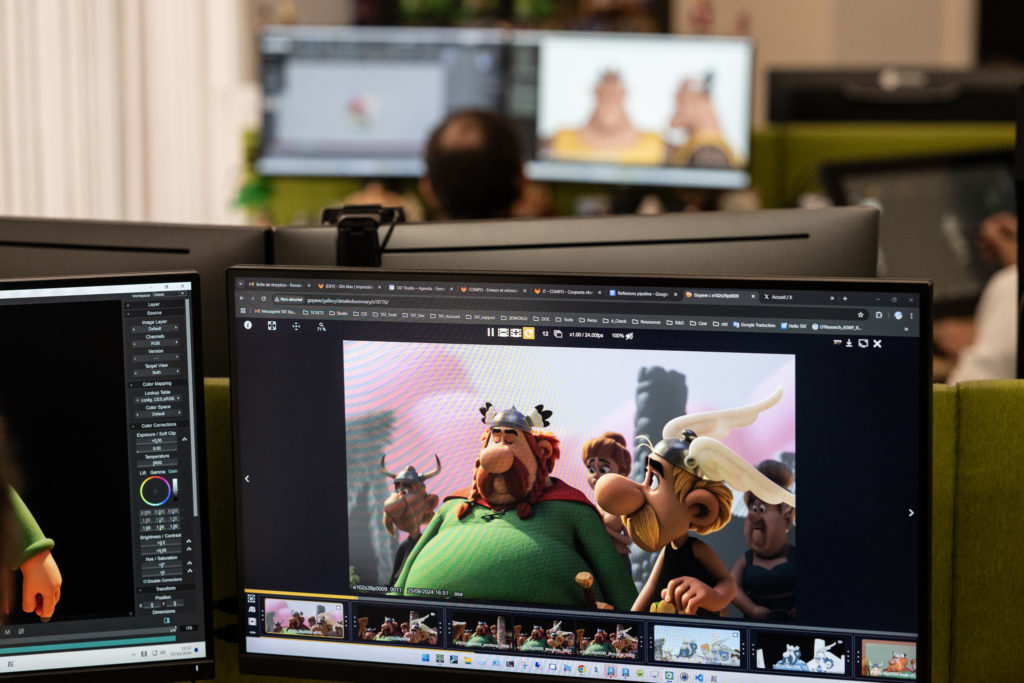
This month, I'm taking the opposite tack from my previous column, which saw artificial intelligence as a danger to cinema, by inviting you to rediscover a series in which AI plays the right role, for once.
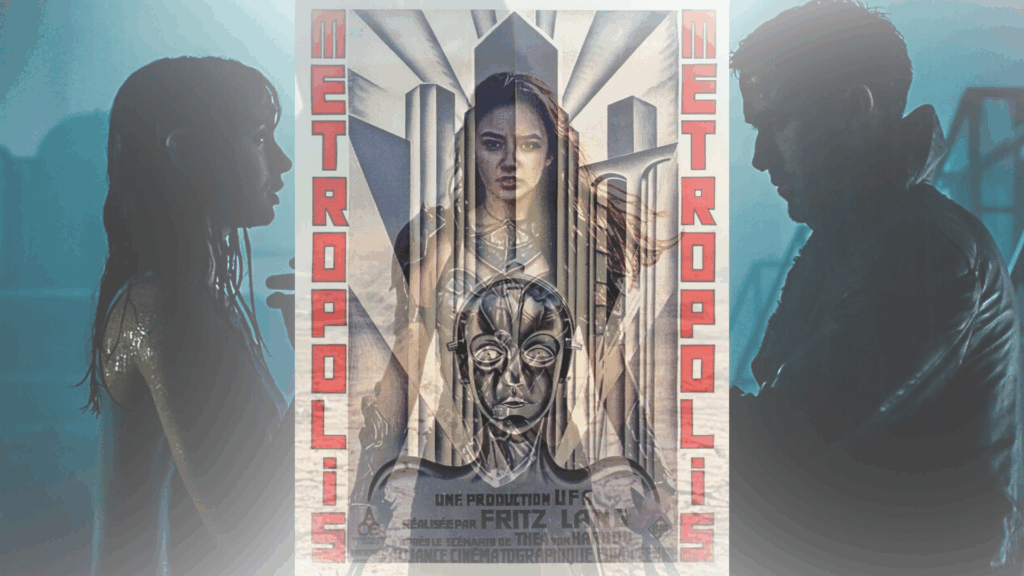
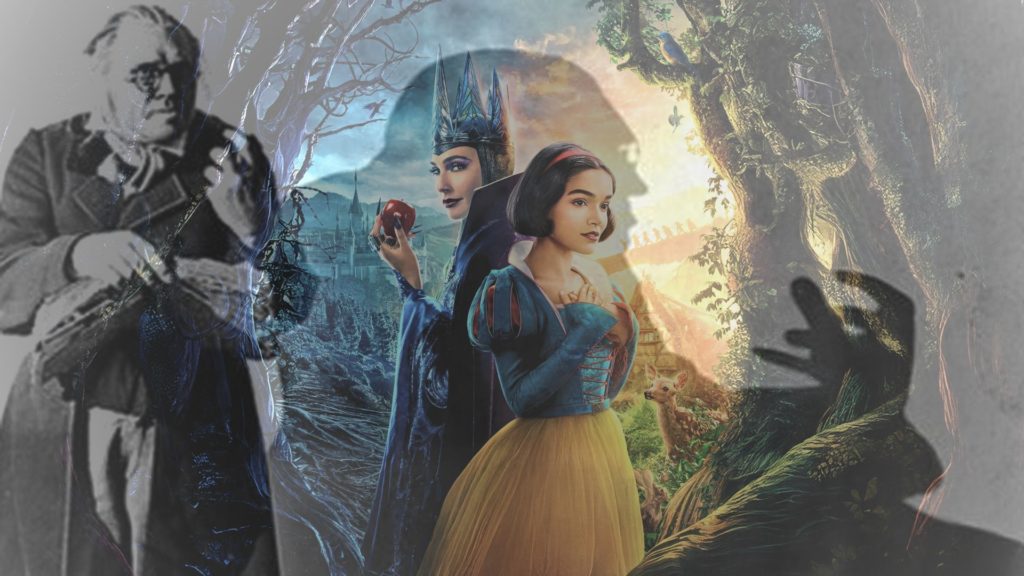
On the menu this month is a fictional and unlikely encounter: that between my former film history teacher and virtual actress Tilly Norwood. He mourns the silent films of the '20s, she embodies the AI ready to supplant flesh-and-blood actresses.
Est-ce qu’un documentaire implique une plus grande responsabilité de son réalisateur face à la réalité qu’une œuvre de fiction? Oui, sans aucun doute – c’est du moins le postulat que je défends au sortir du festival international du film alpin des Diablerets.
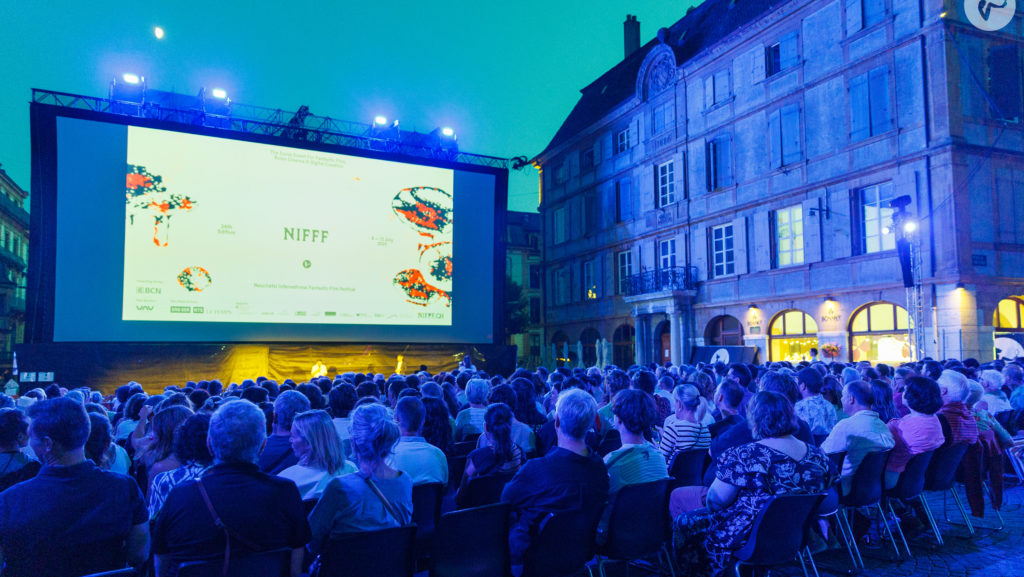
This month, our columnist explores the apparent contradiction between declining cinema attendance and the growing success of film festivals.
Après avoir déploré la paresse des remakes et des suites de films sans fin, notre chroniqueur s’attaque à l’écueil des adaptations d’œuvres littéraires. Ou quand l’hubris pousse à vouloir faire mieux que l’œuvre originale.
When the leader of a nation proposes to broadcast a work of fiction to educate students, it's time to ask whether it's a good idea to rely on it to shape our relationship with reality.
This month, our columnist seeks to understand Western audiences' growing disinterest in the entertainment giant's productions, through the work of journalist and sociologist Siegfried Kracauer.
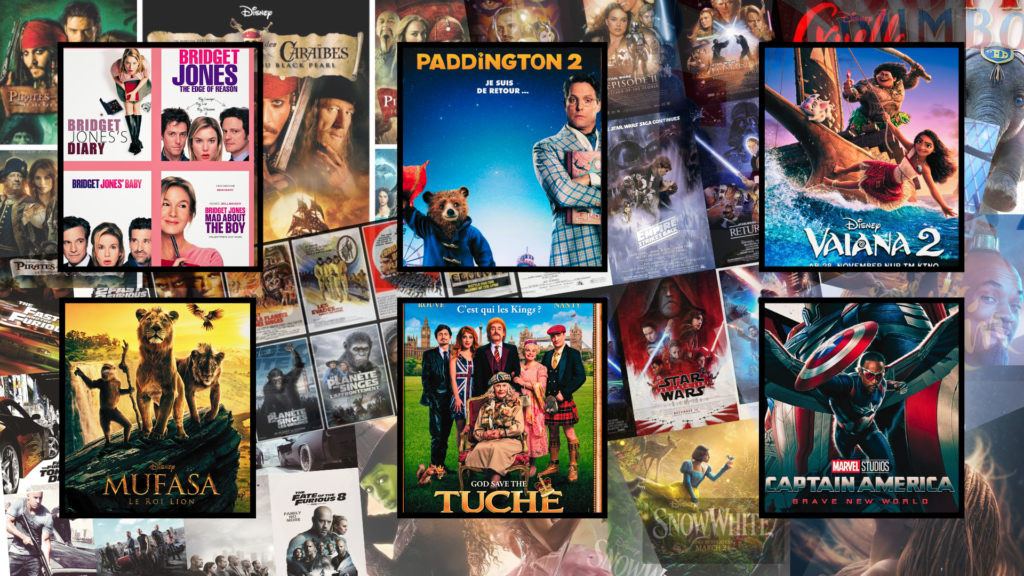
Remake, prequel, sequel, spin-off: these neologisms are all too familiar to contemporary audiences. Whether at the cinema or on platforms, films and series recycle the recipes of the past, a sign of an age that doesn't know how to reinvent itself.
Like no other genre, the Western reveals the extent to which the United States is focused on itself and its past. Each film is like the umpteenth self-therapy session, often navel-gazing - and increasingly repetitive.






 French
  German
  English