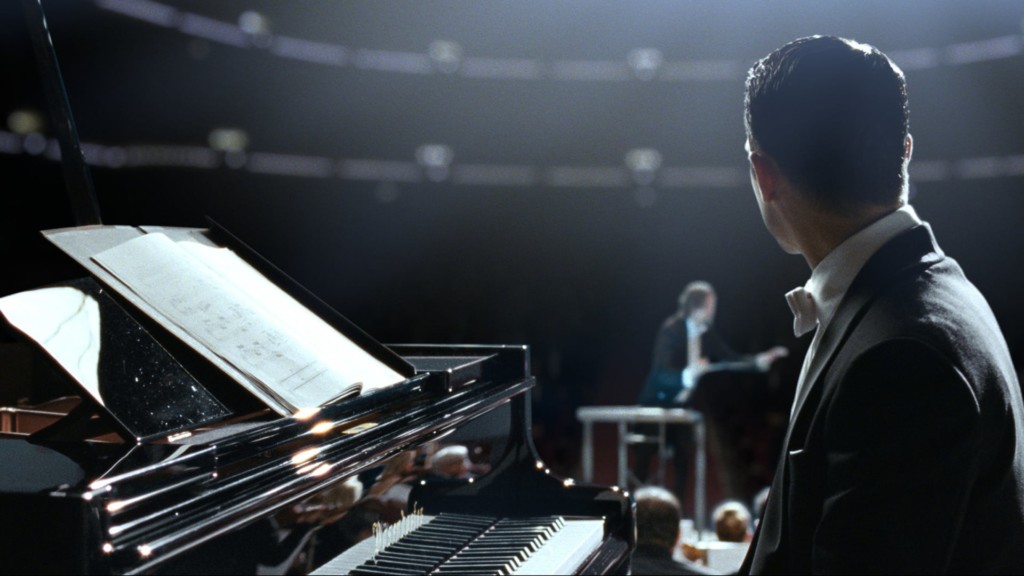
ARTICLE LONG FORMAT, Eugène Praz | Grand Piano (2013), du réalisateur espagnol Eugenio Mira, est un film comique prenant pour prétexte la musique classique au sens large. Ne se présentant apparemment pas comme tel, mais plutôt comme un thriller psychologique exprimant une angoisse ponctuée d’humour sporadique, c’est pourtant bien ce qu’il est. Rires garantis.
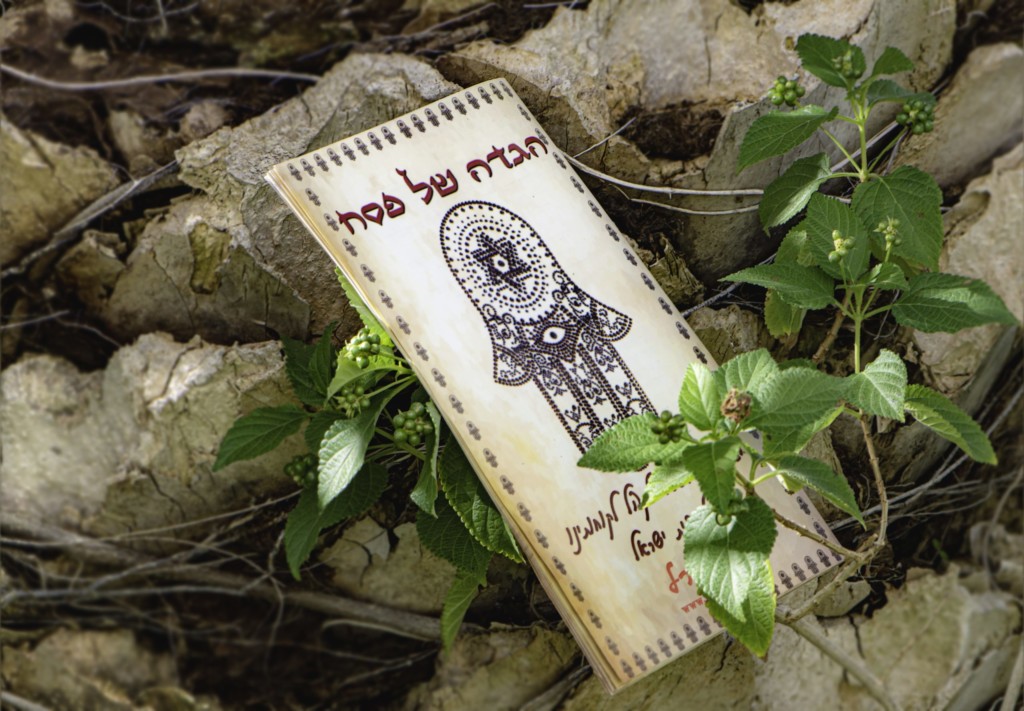
LONG FORMAT ARTICLE, Eugène Praz | A few weeks ago, many of us celebrated Easter. We often wonder where it comes from. But where is it going, and what does it mean in our time? Here's a look at the intersection of Christianity and Judaism.
The dark story of two sisters
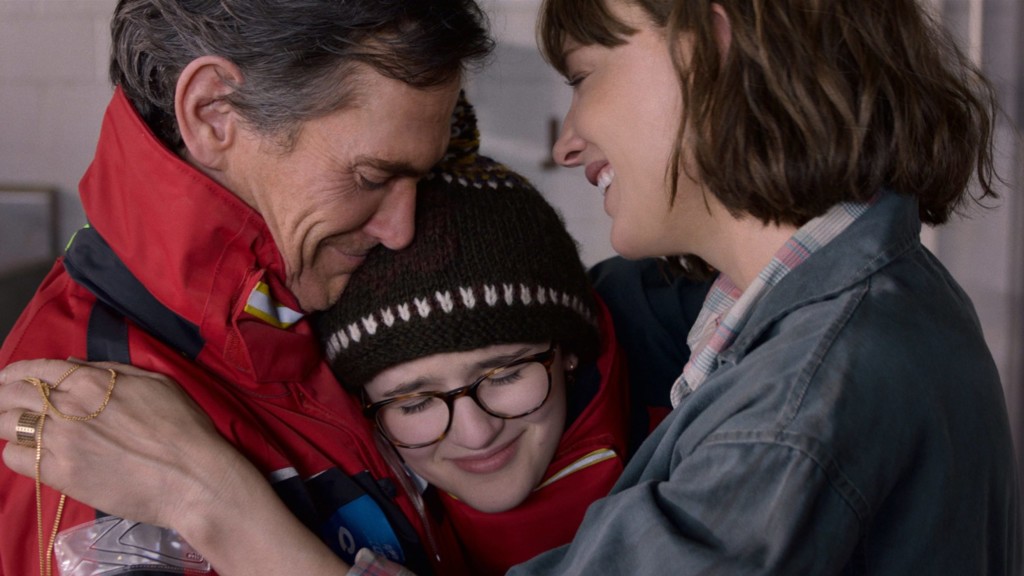
«Bernadette a disparu»: an ode to mother-daughter love
At the beginning of January 2021, students at the Sorbonne protested against the holding of «in-person» partial exams in most faculties, as announced a few days ago. If the French press is to be believed, the revolt is growing louder and louder, all the more so as the start of the 2020 academic year had already taken place in a climate of high tension, linked to the health situation and the difficulty of finding places in lecture theaters. While these material reasons have legitimately led some students to express their discontent, there are quite different, systemic reasons that should have prompted them to rise up much earlier, in an attempt to save an institution at the end of its reign, not to say at the end of the race. My experience at seven different universities bears witness to this.
In «Dogville [...] what this viewer discovers is that violence lies not so much in seeing as in what is seen.»
LONG FORMAT ARTICLE, Eugène Praz | In his essay Action et réaction. Vie et aventures d'un couple (1999), originally composed but of firm intellectual rigor, Swiss literary critic Jean Starobinski revisited the concepts of action and reaction, and showed how they have served in the history of ideas, whether scientific, medical, psychological, literary, philosophical or political. The final chapter was devoted to their political aspect. It's worth coming back to it today, because in addition to serving as an illustration for Alain Badiou's Abrégé de métapolitique, published a year before Starobinski's essay, it demonstrates the easy handling, especially in politics, of the terms action, or progress, and reaction, and that nothing is more misleading than words of such generality. What's more, they encourage a tendency to split any political subject in two, always with a few nuances.
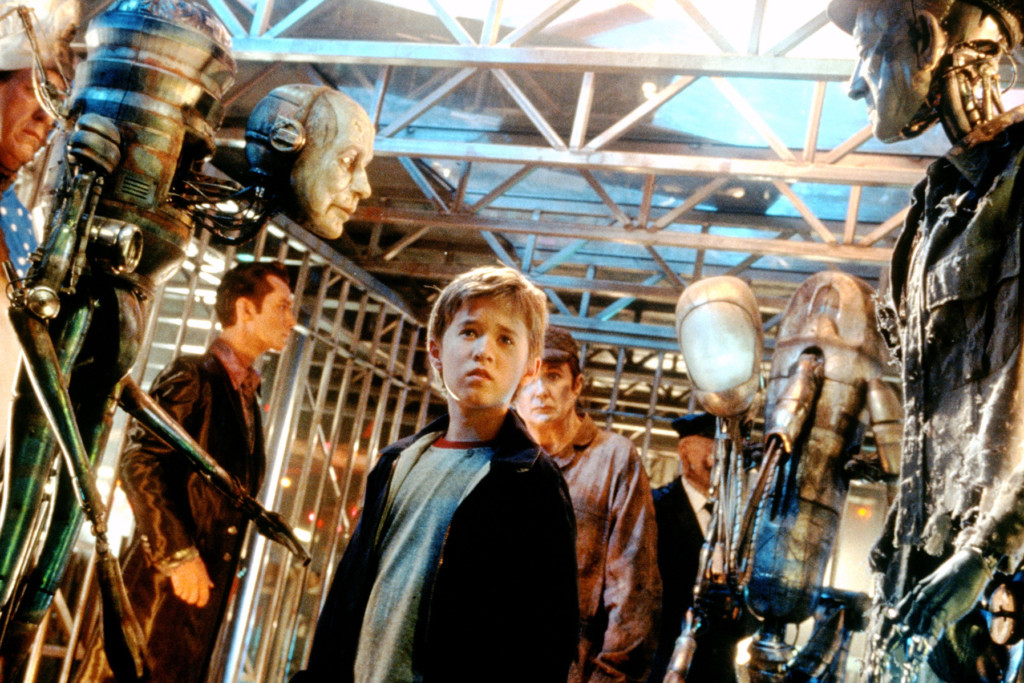
Spielberg's formal purity
ARTICLE LONG FORMAT, Eugène Praz | One of the invigorating features of contemporary literature is that its novels bring together places, eras, generations, peoples and social classes - if that term is still valid - in a pleasing variety of forms and plots. The latter, sometimes very fanciful, are often deliciously comic; think, for example, of the novels, aimed above all at a female audience, by the meritoriously popular Isabel Wolff. This variety could be seen as a way of comforting each individual in his or her place or «path». Everyone? Perhaps not. On the contrary, it would seem that while the field of unexpected human interaction has certainly expanded in literature, its internal influence, through the depth of its characters and the quality of its descriptions, has diminished. As a result, its appeal to the public has lost some of its force. A brief review of some serious shortcomings, without any personal attacks - we're past that.









 French
  German
  English