



«Anna Karenina: Neurosis is more beautiful in VO
kinopoisk.ru
Cinema Wednesdays - Nicolas Jutzet
The language slams into your ears. The dryness of Russian, the film's original language, leaves the viewer with the delicate and demanding task of imagining the equivalent in their own language. Which, although aided by the subtitles, is an arduous exercise. This film is undoubtedly an unrivalled source of motivation for learning the Cyrillic alphabet, as the spontaneity of the exchanges seems so pervasive and accurate. The magic is somewhat lost in the translation, but the essential remains.
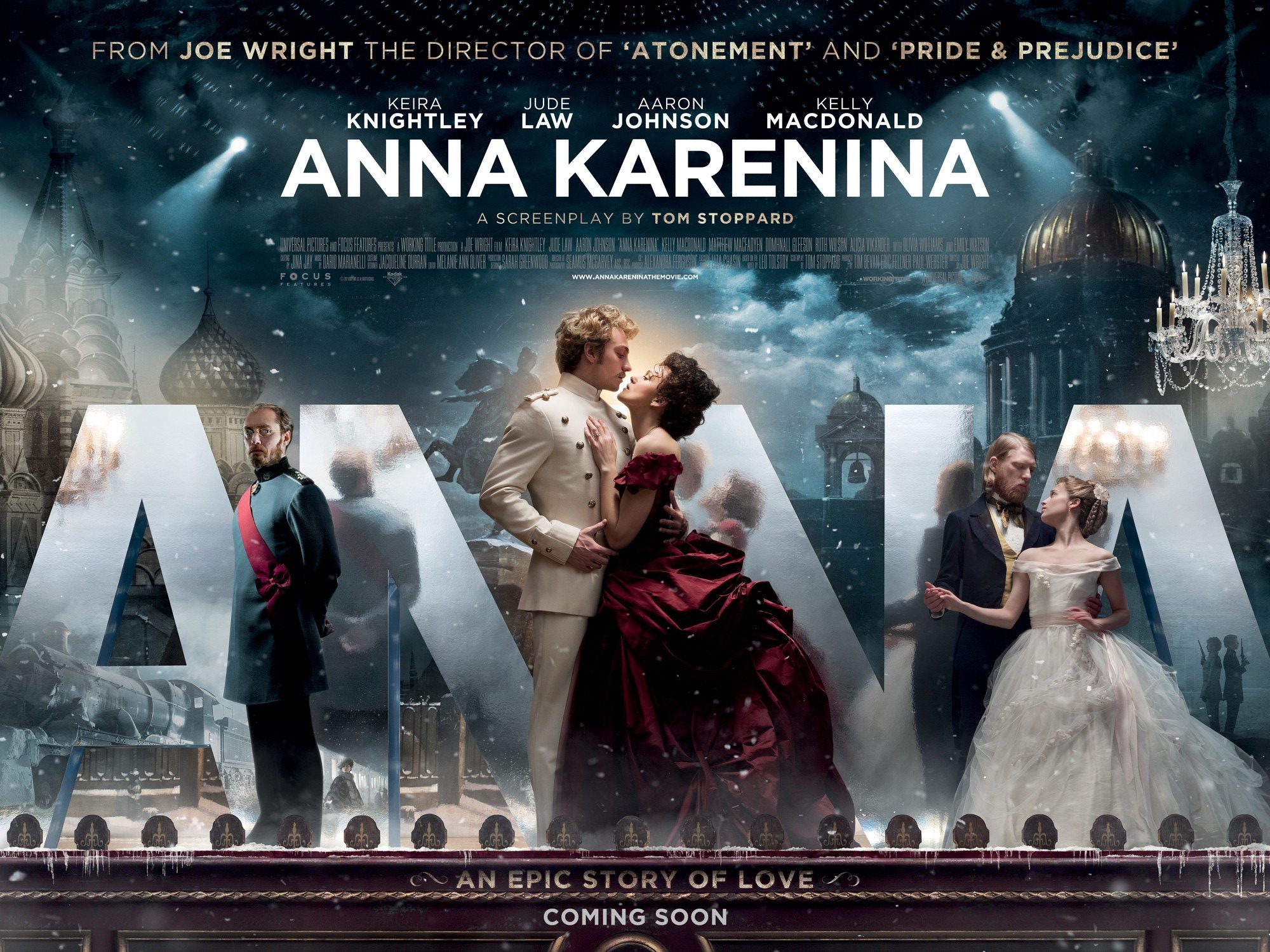
The charm of the lead actors, Elizaveta Boïarskaïa as Anna Karénine and the stunning lover, Maxime Matveïev, who slips perfectly into the clothes of Count Vronski, is indisputable. Opposite him, the strikingly cold, spurned husband, Vitaliy Kishchenko, will delight Putin fans with his striking resemblance.
The story is told through the chance encounter between the heroine's lover and first son, played by Kirill Grebenshchikov. The son, now a doctor, treats a Count aged by war. Ironically, after fighting valiantly without suffering injury, the Count ends up in the infirmary, hit by a shell while playing cards with his comrades-in-arms. Scene by scene, we discover the story, the difficulties, the denouement, the explanations. Sergei, the lost child, searches for answers. Sometimes he succeeds, other times the clarifications turn into complications. But always, his mother is at the center of it all.
This incessant back-and-forth, this return to a painful past, will never cease to captivate the viewer, who only sometimes loses himself in the details of the highly successful setting. The beauty of the scenery and montages leaves a lasting impression, in addition to the remarkable fluidity of the script. Anna Karenina, torn by contradictory and unstable feelings, is a worrisome figure. Her slow descent into hell, interspersed with moments of happiness and respite, is enthralling. The beautiful lady's neurotic drift will weary only the insensitive and the cynical.
Once again, the advantage of basing the film on a novel, written by Leo Tolstoy and published in 1877, is undeniable. Unlike the film, which is limited in length for fear of offending and tiring, the novel allows time to breathe, and to deepen the complexity of the characters, without betraying the image conveyed by the film. Enjoy your reading!
Write to the author : nicolas.jutzet@lereregardlibre.com
Photo credit: © HeyUGuys

You'll also like

 French
  German
  English
Leave a comment