








«Call me by your name» or the story of a first love
Cinema Wednesdays - Marina De Toro
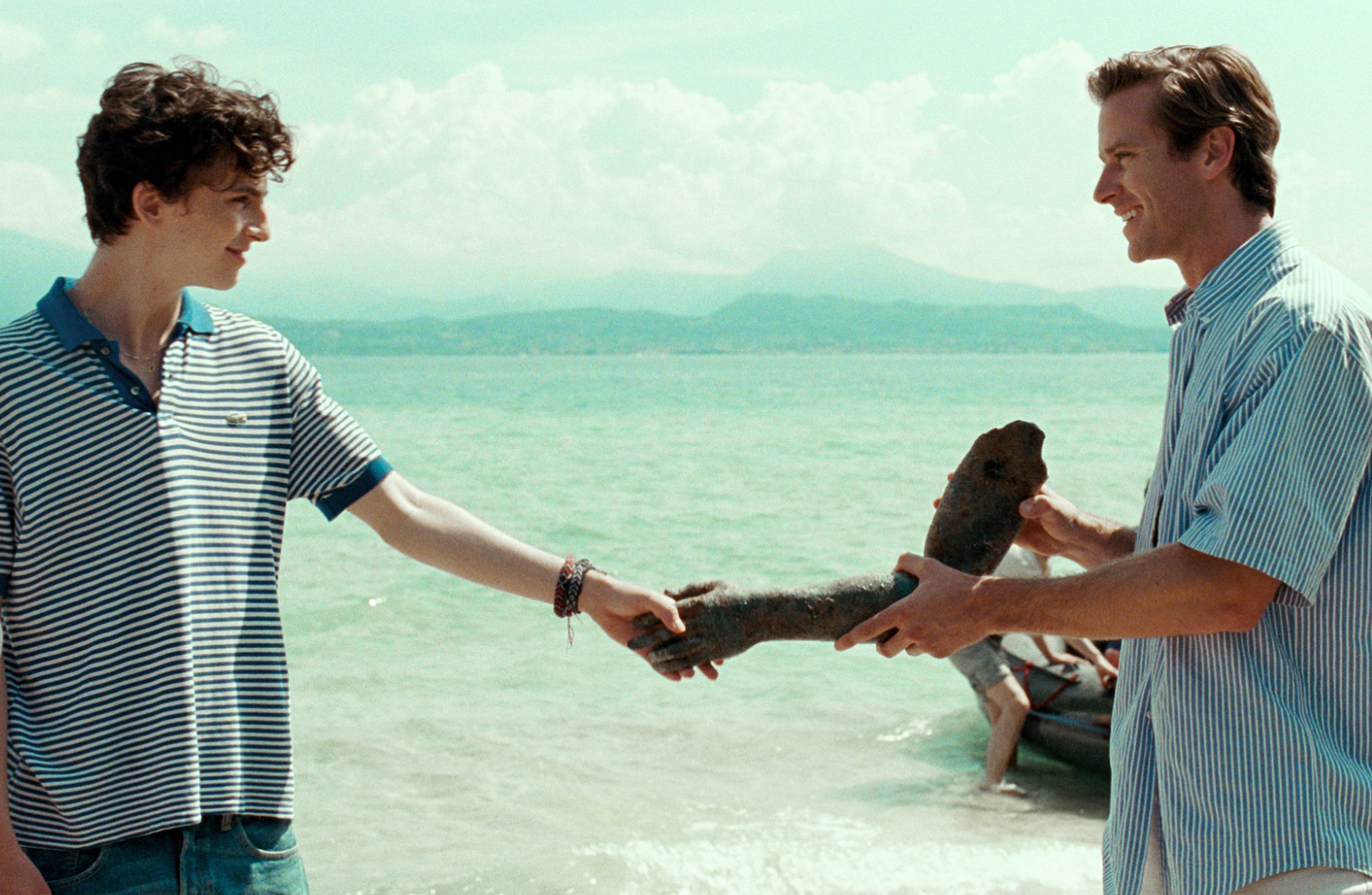
Summer 1983, in northern Italy, seventeen-year-old Elio Perlman (Timothée Chalamet) spends the vacations with his family in their isolated house. His father is a professor specializing in Greco-Roman history, most of which he studies on the Italian peninsula. That's why he invites his American doctoral student, Oliver (Armie Hammer), to spend six weeks at his Italian villa, studying the few statues found in the Lombardy region.
Vacations in Italy are filled with swimming, outings, music, and exploring a peaceful region. However, this summer will be unlike any other for Elio. It is during these few weeks that his identity will evolve through the various romances he experiences, particularly the one with the charming Oliver.
A peaceful and idyllic setting
From the very beginning of the film, the viewer is completely immersed in the characters and, in particular, in the setting that is established. It is the strong presence of ambient sounds that creates this sense of realism, particularly the sound of a fly in flight or a Vespa rumbling over the cobblestones of the small town of Crema. The overall pace is slow, and nothing disrupts the Perlmans’ daily lives; they live each day guided by their desires and passions. The film takes its time, with the story unfolding gradually, allowing us to savor every detail of the blossoming romance.
Sitting back in their chair, viewers are immersed in a peaceful atmosphere and share every moment with the characters, as if they were part of the story unfolding before their eyes. The relaxation is the driving force behind these sunny days, but Elio also enriches them with the music he creates or reimagines on the piano. His cultural background and maturity, combined with this Mediterranean sense of fulfillment, lead him to a new awareness and the discovery of the various romantic feelings he is experiencing.
Minds and Bodies
Throughout the film, the Perlmans’ erudition allows the viewer to draw connections to the issues that preoccupy Elio and Oliver. Professor Perlman’s objects of study—such as Greco-Roman sculptures—are featured, evoking the sensuality of the nude body. Literature is also present through the reading by Annella Perlman, Elio’s mother, of the’Heptaméron which confronts us with the dilemma of either confessing our romantic feelings to the one we love or remaining silent—a silence equated with death.
Amid this world of intellectual, multilingual adults, Elio is going through an emotionally pivotal period, and he struggles to find his place as a young boy with a very active emotional life. In fact, he begins his vacation by falling in love with his friend Marzia, with whom he discovers the first pleasures of the body. At the same time, he makes a few strolls cycling with Oliver to show him the urban and natural beauty of the Lombardy region. As they spend time together, a certain reserve sets in between them, but so does a curiosity accompanied by a sensual tension that gradually builds. Moreover, the Italian summer allows bodies to be revealed—often clad in nothing more than a swimsuit—and thus provides an opportunity for desire to stimulate young Elio’s sexual imagination.
Powerful and bipolar—that's what it is Call me by your name. It stirs up a variety of emotions within us: joy, sadness, passion, surprise, melancholy, and also a mix of all of these. Elio gives us the chance to experience, alongside him, all the sensations that first love can evoke. Moreover, the numerous long takes chosen by director Luca Guadagnino only serve to heighten the sense of identification. Then there’s the stunning visual work by the film crew, which can’t help but spark a sudden urge to head to Italy and indulge in a life of leisure. One final important and captivating element is the musical selection. From classic 1980s hits to compositions by Sufjan Stevens, nostalgia and daydreaming instantly take hold of our minds, making us want to prolong this cinematic experience indefinitely.
Write to the author: [email protected]
Photo credit: © Praesens-Film
You'll also like



 French
  German
  English
Leave a comment