



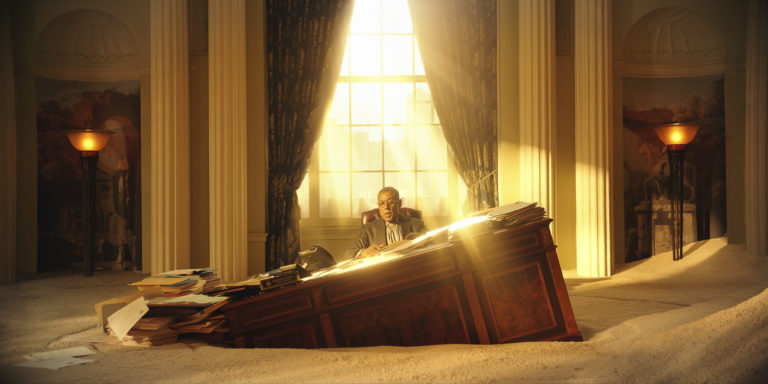
«Eva»

Cinema Wednesdays - Jonas Follonier
Eva is the second film adaptation of the 1945 noir novel by British author James Chase. It was previously brought to the screen by Joseph Losey in 1962, with Jeanne Moreau as the protagonist. This time, it's French director Benoît Jacquod who has taken on the challenge of what he himself doesn't consider a true adaptation, having based the script solely on his reading memories.
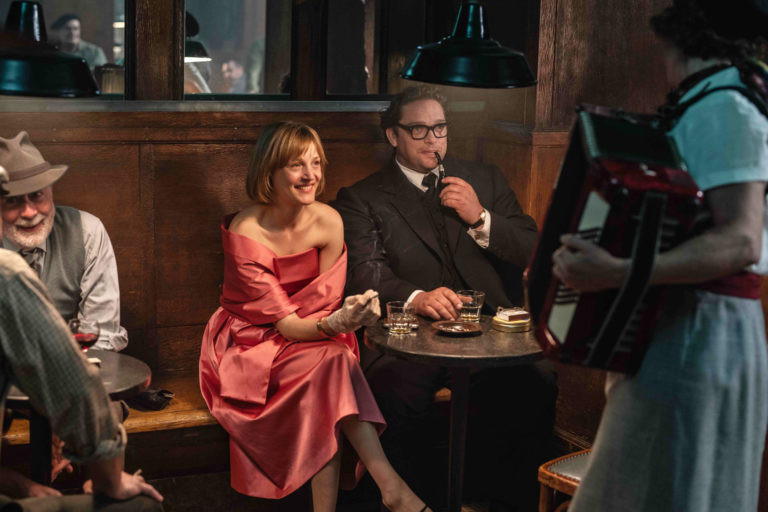
Eva (Isabelle Huppert) is a provincial prostitute whose life suddenly intersects with that of an impostor, Bertrand Valade (Gaspard Ulliel). The handsome man is a young author whose success stems from the theft of a manuscript. This makes it difficult for him to write his next book, which is due to be returned to his publisher (Richard Berry). So he thinks he'll find inspiration in an unhealthy affair he has with a high-class prostitute who's as intriguing as she is detached.
Full cast for an incomplete script
In this film, which takes on the allure of a psychological thriller from the outset, you get the feeling that the director has put everything on the actors and their mysterious component. A mistake, no doubt, for the viewer, who rightly expects to be told a story. The film suffers from an obvious lack of plot. The script doesn't seem to be up to the task of the actors, who do their utmost to raise the level, offering interesting performances.
Isabelle Huppert signs her sixth collaboration with director Benoît Jacquod. What characterizes her talent as an actress can be seen here: a formidable effacement, making her even more present. This particular style of acting is well suited to the film's surreal atmosphere. As for Gaspard Ulliel, he confirms the singularity that carried him through the role of Yves Saint Laurent. If his perpetual murmuring can be disturbing, his look and his class impose themselves and make us forget his «current French actor who plays it cool" side. cool».
Mixed results for the project
While the first scene is a fine piece of cinematography, the rest relies on uninspired set design. While some of the classic elements of the genre are recuperated, such as the eerie soundtrack, the bath motif and the isolated house, the filmgoer will find it hard to notice any great innovation in the form, which sometimes follows scenes with a questionable eagerness. The ending, in particular, leaves the audience wanting more.
As you'll have gathered, starting with promising data such as the age difference between the two main protagonists and the psychological treatment of a relationship that's as cryptic as it is toxic, the narrative's shortcomings only serve to highlight the ridiculous nature of this worldly chimera of love. It's true that Télérama that «we never know the reasons for the fascination of one being for another». The film manages to seize on this reality, offering an intriguing film without a plot.
Write to the author: jonas.follonier@leregardlibre.com
Photo credit: © JMH Distribution

Vous aimerez aussi

 French
  German
  English
Laisser un commentaire