After more than twelve years of helping «Le Regard Libre» grow, I am stepping down from my executive role with mixed feelings, but I am happy to know that this collective endeavor is strong enough to continue on its own under the editorial leadership of Pablo Sánchez. See you in September!
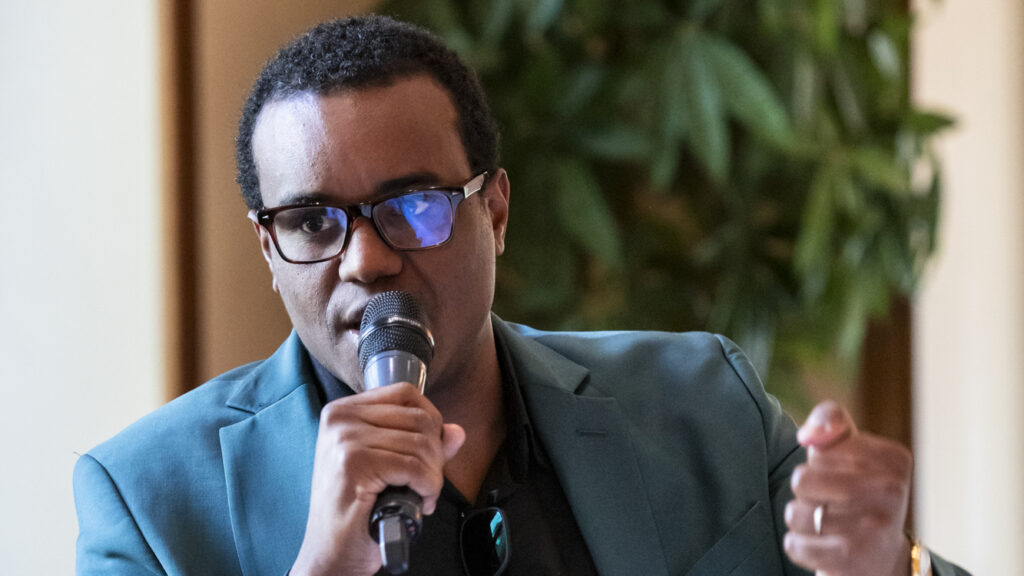
Speaking before an audience of about fifty people in Lausanne, the French liberal author Ferghane Azihari defended the arguments presented in his essay *Islam Against Modernity*. His well-reasoned presentation was followed by a lively discussion with the audience.
Founded during the U.S. crackdown on Swiss banks, the association has been defending legal certainty for the past fifteen years. Its co-founder, Jean-Daniel Balet, is now warning of what he sees as threats to the Swiss model.
According to the founder of the eponymous group, Switzerland is becoming bogged down in bureaucracy, losing its work ethic, and undermining its neutrality. An interview with this leading figure in the French-speaking Swiss real estate sector, who calls for a return to high standards, entrepreneurship, and a sense of responsibility.
«Hein de Haas's »The Logic of Migration" came close to fulfilling its promise: to escape right-wing... and left-wing bias. Nevertheless, we look forward to reading the colossal work of this professor of sociology at the University of Amsterdam.
By demanding ever greater transparency, our societies paradoxically encourage conformism, surveillance and hypocrisy. Here is a defense of the right to silence, nuance, discretion and ambiguity, indispensable in a liberal democracy.
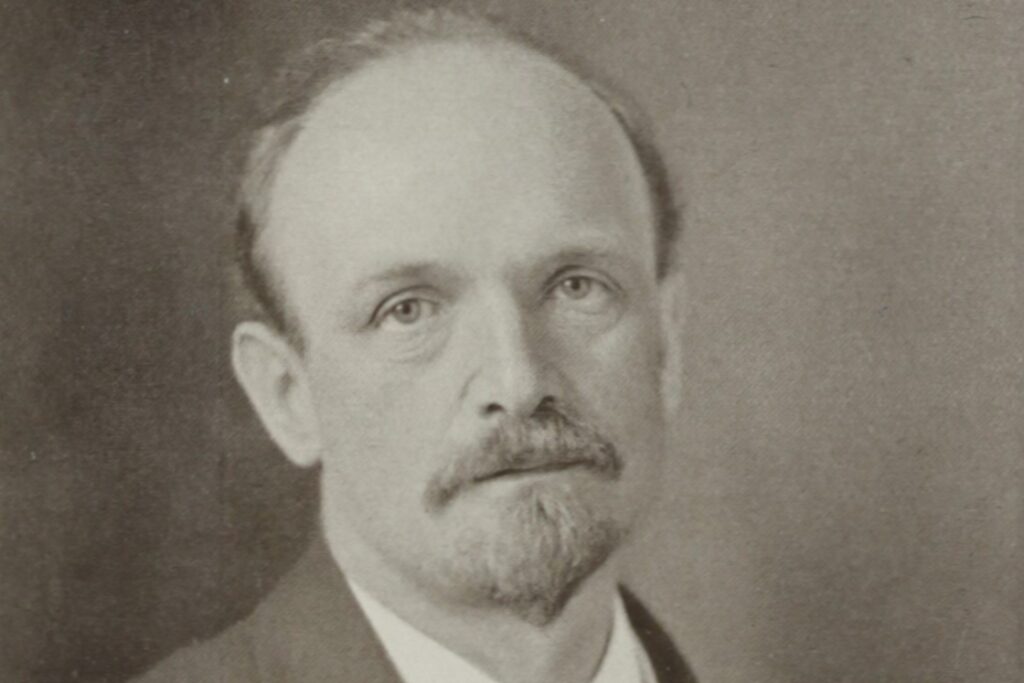
James Lyon's concise biography brings Hermann Suter (1870-1926), a major figure in Swiss music, back to life. He reveals a singular composer, whose work and life bear witness to the same spirit of freedom and accomplishment.
With 132 previously unpublished maps, the book co-edited by Corinne Chuard offers a visual and interactive reading of the past. By combining text and images, it sheds light on historical dynamics whose scope extends far beyond regional borders.
While the Swiss people have settled – twice – the question of the amount of the audiovisual licence fee, at least for a while, the discussion on the offer provided by this compulsory levy must continue. The same applies to France.








 French
  German
  English