




«Papicha»: substance stolen by form
Cinema Wednesdays - Fanny Agostino
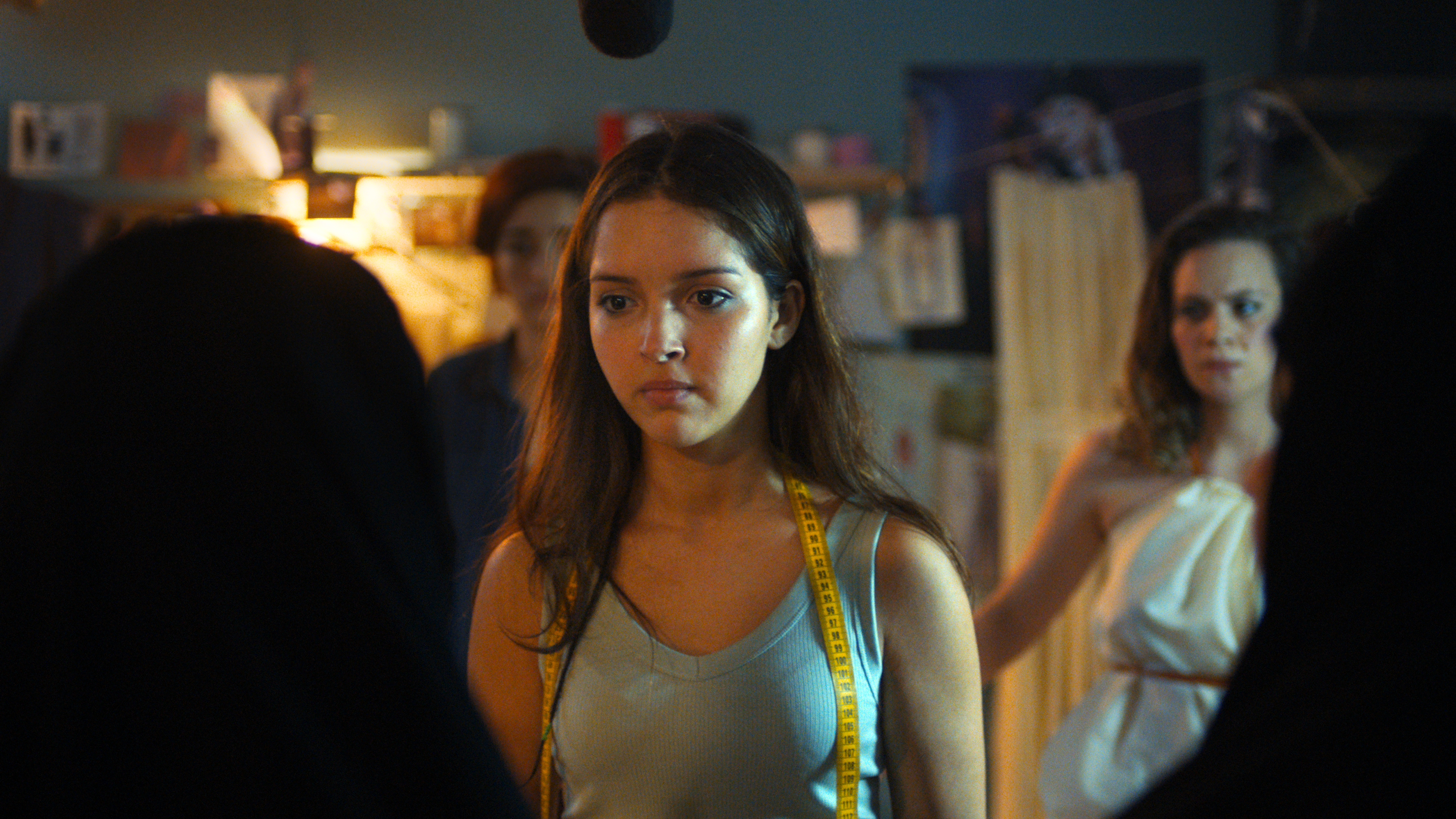
With enthusiasm and a few Mounia Meddour focuses on the invisible resistance in Algeria. In the 1990s, a group of female students refused to submit to the their daily lives by organizing a fashion show. A juvenile film for its qualities and flaws.
Cité étudiante U in Algiers, in the middle of the night deserted. Nedjma and Wassila sneak off in a clandestine cab. As attacks by Islamist groups threaten the country's political stability the country's political stability, these French bachelor's students defy all to join the dance floor. In a golden bag, all their all their clubbing paraphernalia ready to be donned. A second skin, far from moralistic gaze. In the toilets of Algiers clubs, Nedjma, aka Papicha - a beautiful and free woman in Arabic - sets up her ephemeral dream business. Women flock to order dresses that she designs herself.
Read also: Le djihad au féminin - Meeting with Noémie Merlant
This daily routine is transformed from a carefree to an assertive resistance, as Islamist sympathizers multiply their are increasingly putting up posters advocating the burqa. An escalation in the denial of women's freedoms. While Papicha and her co-religionists put up a verbal fight fight back verbally, this first salvo is stopped short by an assassination. After anger, it was time for action. Papicha will parade her friends at a university gala to showcase her creations, whatever the risks. no matter what the risks.
Staggering youth
Through fiction, Mounia Meddour updates the black decade, a subject that is still hotly debated in Algeria. Proof of this is the cancellation of the film's preview last September in Algiers, even though the film is, at the time of writing, in the running to represent her country at the Oscars... A censorship not unlike that of Much Loved (2015) by French-Moroccan director Nabil Ayouch. While the latter evoked prostitution in Morocco, it also painted a portrait of rebellious women, revealing the underpinnings of a society and its mores. A notable difference between the two features is the frenetic, impetuous spontaneity of the protagonists in their biting dialogues, in which French and Arabic overlap.
Like the sunny, intrepid Lyna Khoudri, Meddour's direction is pugnacious and mischievous, favoring the mobility of the camera. In the midst of all this hullabaloo, a whole network is revealed: from the grocer hiding the latest jeans Levi's under his counter to the relationships between these different women sharing the same room, between poster and prayer rugs.
Nobility of intention, failure of practice
There's still one annoyance. The critic is in a quandary; if the theme is venerable, as is the idea of the screenplay, it's still necessary to point out the film's major drawback. Mounia Meddour drinks in youth while absorbing its flaws. Too many sequences, for example, are drawn out by an outrageous determination to underline the emotions they are supposed to arouse. This is particularly true of a moment in which women in burqas call out to Papicha to music worthy of the Jaws, This scene takes on an unwelcome, almost comical dimension. As for the parade sequence and the one that follows, they're botched and leave the viewer wanting more.
By trying too hard, Meddour loses its audience somewhat in the second half of the film. What remains is an enlightening drama on an issue that resonates strangely with current events in France. The director may have gone a little astray with her first film, but she will be eagerly awaited for her next.
Write to the author: fanny.agostino@leregardlibre.com
Photo credit: © Cineworx

You'll also like



 French
  German
  English
Leave a comment