



«The Death of Stalin», a complete mess
Cinema Wednesdays - Loris S. Musumeci
«Long live Stalin!»
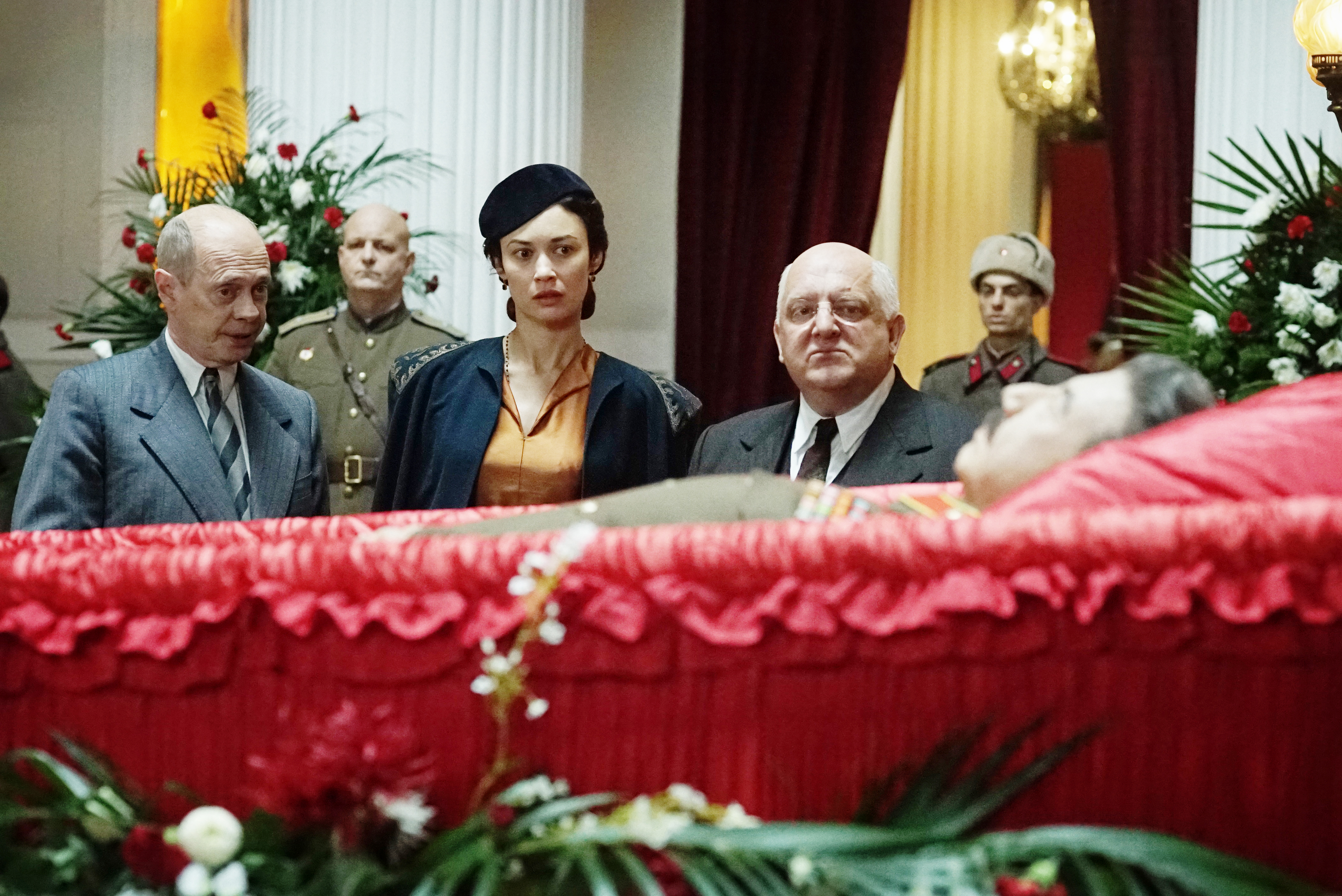
Moscow, 1953. The Radio Moscow orchestra gives a noble concert. All is well and good. Once the musical performance is over, the director breaks out in a cold sweat. Comrade Stalin on the phone: he wants a recording of the concert right away. Problem: the director realizes that nothing has been recorded. Grotesquely, he negotiates with the musicians to play the concert again. He also needs to refill the hall with spectators; to do this, he sends out for peasants in the street.
When the recording was finally handed over to the authorities «with a delay that Comrade Stalin noted well», the rebellious pianist slipped an insulting message to the dictator into the sleeve. Stalin receives the record, listens to it and discovers the musician's few words. He went from laughter to heart attack. He dies. Everything collapses for the Soviet Union. The Council of Ministers meets; a new leader is needed. But who, and at what cost?
Failure after just a few minutes
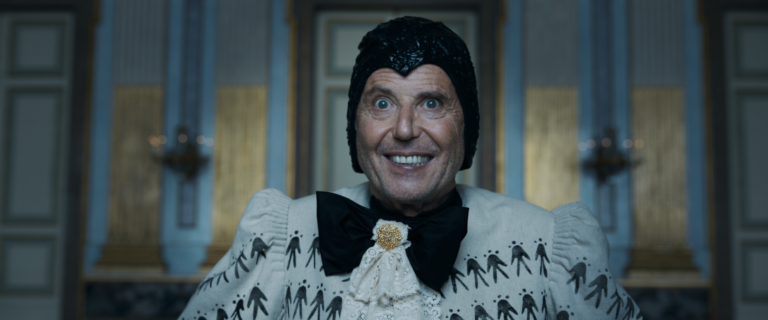
Armando Iannucci's satire got off to a pretty good start. Even if the criticisms of Communism have been seen and heard before, the viewer expects a few laughs in the face of a light, wacky projection. The Russian clothes are there, with their caricatured, popular air. Russian faces too. The colors, too, give the image a falsely old-fashioned look, and the photography is polished in the manner of Stalinist films.
But a few minutes pass, and already the laughter struggles to break through the silence of the room. The script does indeed seek to track down the Union's ridiculous bureaucracy, but the scenes are clumsily constructed. It's a long story. When Stalin died, he «pissed his pants»; in a catastrophic game, the ministers negotiate the duty to wear it, while being disgusted by this old man who bowed out in incontinence. The so-called joke goes on too long. It's painful.
Nothing saves absolutely nothing
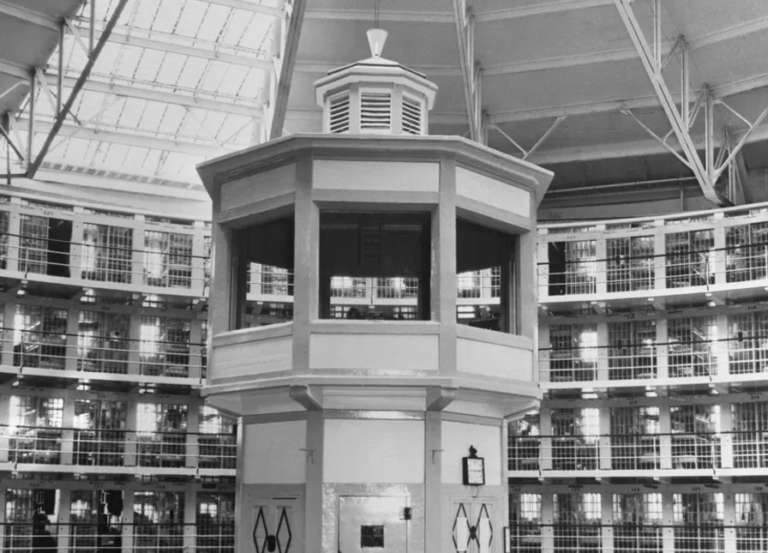
In a pinch, a performance without too much conviction could have been somewhat saved by the overall scenography. The grandeur of the buildings is there, as is their imposing majesty. And the music: deep violins in the arrests and evacuations. Militaries hurrying past each other in narrow corridors, weapons in hand. Shots fired everywhere. Prisoners here and there. And yet, nothing saves absolutely nothing.
The actors don't feel the scenery around them. They simply deliver the text they wisely learned the day before, without any conviction or embodiment. Clearly, they are irredeemable. The spectator then understands the null contract he has signed with the film: no, he won't laugh, no, he won't think intelligently about communism.
And to deal the final blow to the pitiful disaster that is The Death of Stalin, All the speeches and lines are in modern English, with an abundance of «fucks». A good script and decent actors could have made it possible for the film to be played in English, but this is not the case. At no point do we get the impression that we're touching on any kind of Slavic linguistic ambience. Needless to say, the actors play badly, the script is humorless, the satire failed, the film a complete mess.
«I'm exhausted: I don't know who lives and who doesn't anymore.»
Write to the author : loris.musumeci@leregardlibre.com
Photo credit: © Ascot Elite Entertainment
Vous aimerez aussi

 French
  German
  English
Laisser un commentaire