



«Pluribus»: the revolt of the individual
Apple TV+'s latest Golden Globes success, the new series from the creator ofe X-Files and Breaking Bad examines the modern temptation of one-track thinking in a dystopia that goes against the grain of its time. Disconcerting and intellectually stimulating.
A mysterious virus invades Earth and paralyzes all humanity for a brief moment. Some die. Most wake up. But something has changed: everyone now has access to the memories, emotions and thoughts of everyone else. In the wake of this merger, everyone is united in a vast, super-intelligent collective consciousness.
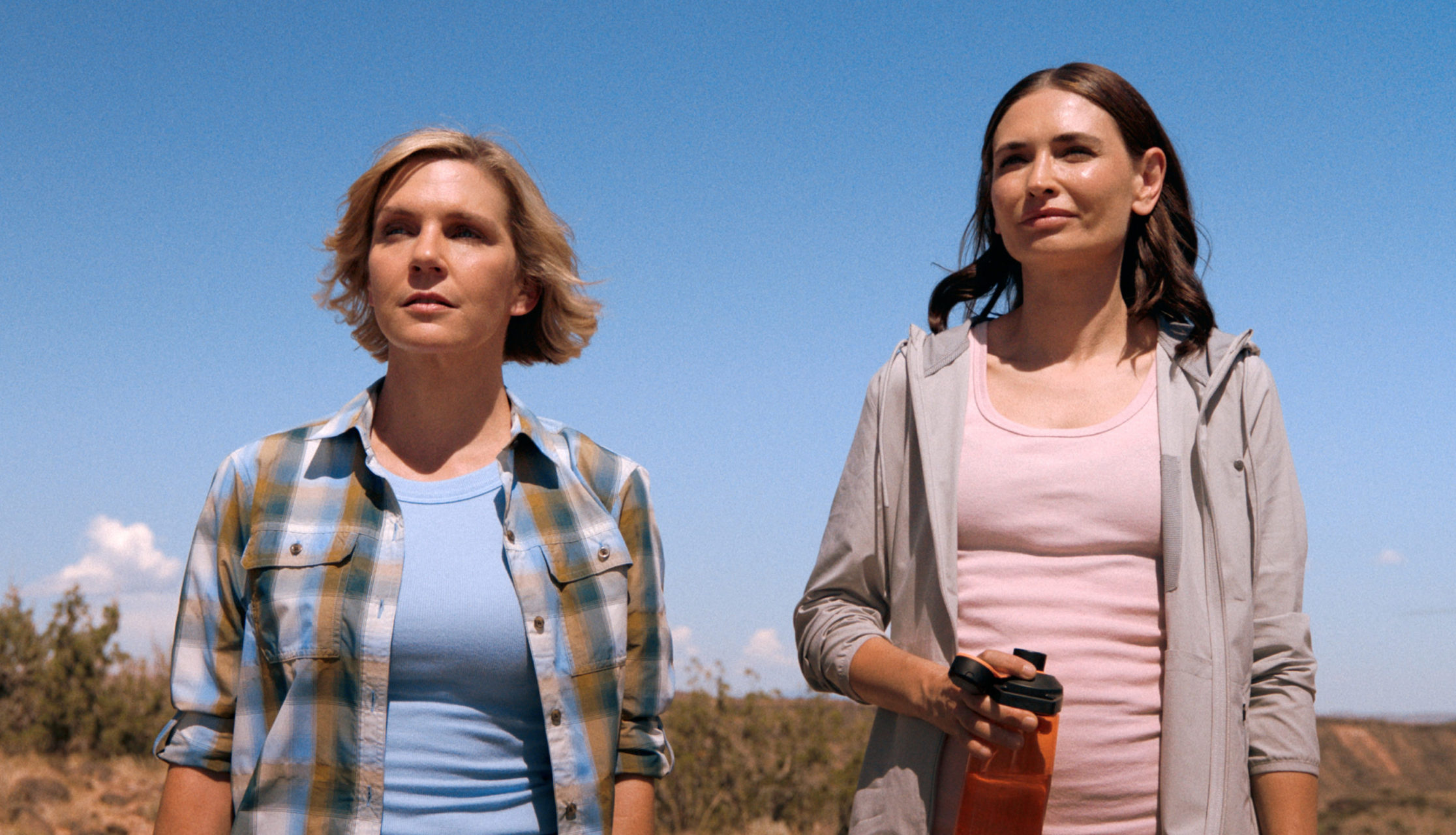
For some unknown reason, the main character - an American writer named Carol Sturka (played by Rhea Seehorn, who won Sunday's Golden Globe 2026 for Best Actress) - was not infected by the virus. Very quickly, others (contaminated humans) will take an interest in her, convinced that it's only a matter of time before she agrees to join the merger. Carol's relentless struggle to restore the old world ensues.
A utopia without individuals
Pluribus is part of the counter-utopia genre, like Aldous Huxley's classic, Best of all worlds. On the surface, all is well: humanity has become one, there is no longer any conflict; everyone acts for the good of their fellow human beings; and even children have become capable of performing surgery or flying airplanes.
In fact, Carol's fate would be the stuff of dreams: Zosia, her charming chaperone, is constantly at her beck and call, ready to satisfy her every wish and answer her every question with unfailing patience and kindness. Yet, episode after episode, the series gives rise to a diffuse unease. There's something wrong. And that something is, quite simply, the disappearance of the individual.
Egalitarianism taken to absurd extremes
In this new world, merit and self-interest no longer exist. Anyone can become President of the United States and, at the same time, it no longer matters. In one disturbing scene, Carol even thinks she recognizes the then-mayor of Albuquerque - her home town - busy working on her house.

Environmentally conscious, others gather every night in large sheds, where they sleep together on the floor to save energy. Vegan and radically non-violent, they refuse to eat fruit unless it has fallen naturally from their tree. Even if it means letting part of their population starve to death. To compensate for their protein deficiency, they transform the corpses resulting from these natural deaths into a yellowish liquid that has become the mainstay of their diet.
Casting anti-woke
It's hard not to see in these two phenomena - the sacrifice of the individual on the altar of group identity and the rejection of all forms of domination - an implicit critique of wokism., movement that some of its most hostile opponents, interestingly enough, call mind virus .
This ideological reading is supported by narrative and casting choices made by series creator Vince Gilligan (X-Files, Breaking Bad, Better Call Saul). While the zeitgeist would have us believe that the appearance of actors should serve to deconstruct stereotypes, those of Pluribus seem, on the contrary, to reinforce them. Among the thirteen humans who escaped the merger, Only Carol - the only Caucasian in the group - shows any real concern about the situation. The eleven other immunized people she meets – all from non-Western cultures – seem to be quite comfortable with this new society, even preferring its virtues, namely the absence of war, inequality and suffering.
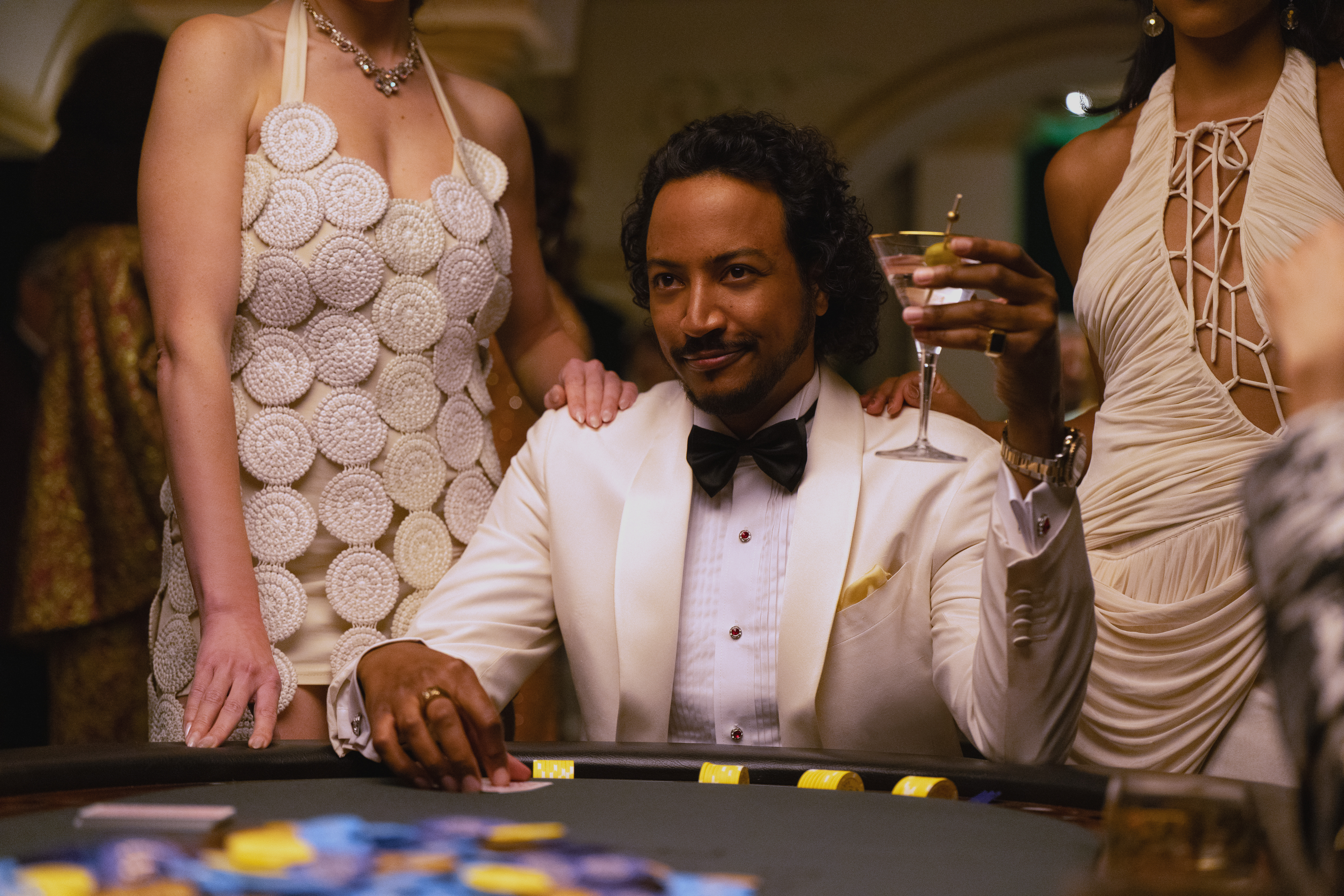
The clichés are such that Koumba Diabaté - the only character of African origin - takes advantage of them to indulge in ostentatious material pleasures, living in palaces, driving luxury cars, and treating himself to a harem made up of the most beautiful women he can find among them. others. Even Manousous Oviedo, the last resistance fighter of South American origin whom Carol eventually meets, extends this reading: where Carol has a sometimes chaotic and sentimental relationship with rebellion, he appears as a perfectly cold and methodical lone wolf, evoking a more masculine imaginary of resistance.
A warning against AI
The virus can also be understood as a metaphor for humanity's total adherence to a general artificial intelligence (AI). In this reading, Carol's profession is by no means insignificant. It's because she can write – and therefore think – that she's so keen to preserve her individuality. Writing also appears to be a form of resistance to her enemy: day after day, Carol records on a whiteboard all she knows about the other, which enables him to develop a strategy to combat them.
As we rely more and more on large language models – such as ChatGPT – to access knowledge, and that, for the sake of convenience, we are delegating an increasing share of our judgment to them, Pluribus asks the question: aren't we encouraging the emergence of a single way of thinking in spite of ourselves? As technology infiltrates more and more areas of our lives, and guides more and more of our decisions, aren't we gradually and willingly giving up, just as we have done in the past? others, to our individuality?
Read also | AI is an opportunity for journalism
Beyond these eminently political considerations, the series also invites us to reflect on what it means to be an individual, in the broadest sense: paradoxes, freedom, creativity, solitude, the experience of love, selfishness, jealousy, happiness... and all the tensions that structure our relationship with others. So many reasons to immerse yourself in the first nine episodes and look forward to the second season.
Economics graduate and president of the Association Café-philo, Yann Costa is an editor at Regard Libre. Write to the author: yann.costa@leregardlibre.com
You have just read an open-access article. Debates, analyses, cultural news: subscribe to support us and get access to all our content!
Vous aimerez aussi





 French
  German
  English
Laisser un commentaire