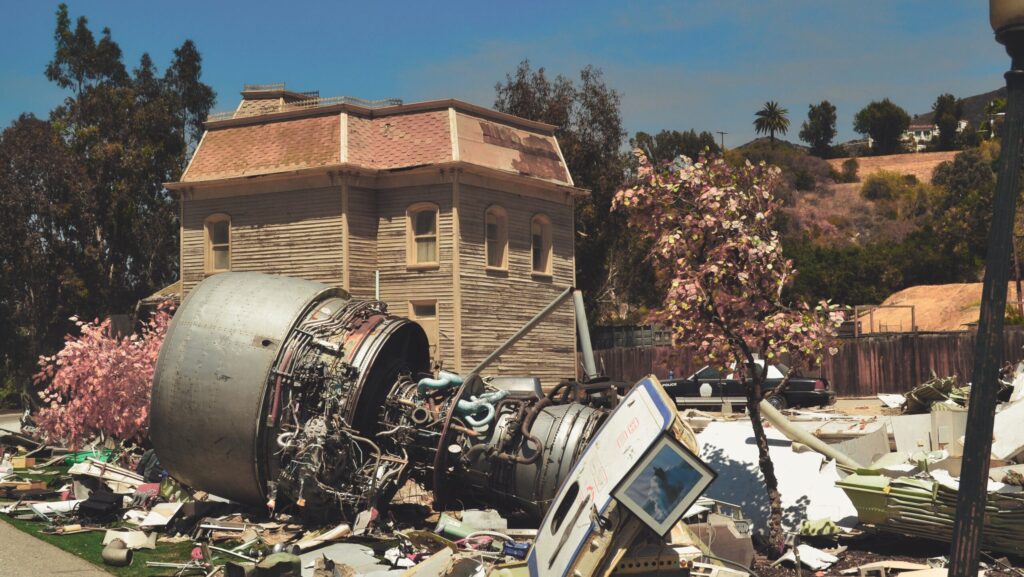
Although accused of betraying Homer, Christopher Nolan has nonetheless created an adaptation of *The Odyssey* that is as spectacular as it is profound. Far from being a mere reenactment, his film resonates with the concerns of our time.
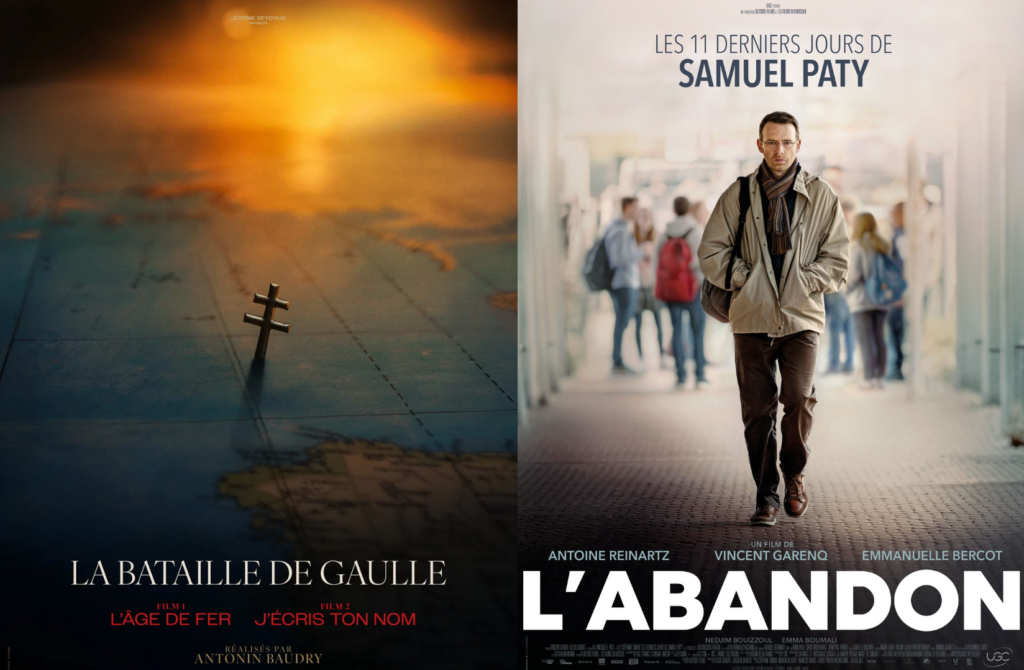
«The Battle of Gaulle» and «The Abandonment,» two films that seem to echo one another and carry on a long-standing French tradition: that of glorifying magnificent losers.
Nuremberg, directed by James Vanderbilt, combines many of the shortcomings of our time without subtlety, according to our reviewer. The film is nevertheless in the vein of films that deal with the Second World War without romanticizing it.
Ostracized by critics and shunned by audiences, Francis Ford Coppola's civilizational fresco illuminates the ethical and aesthetic dilemmas of Western culture.
Does a documentary imply a greater responsibility for the filmmaker than a work of fiction? Yes, without a doubt - at least, that's the postulate I'm defending at the end of the Les Diablerets International Alpine Film Festival.
Shortly before the New Year, Radio Télévision Suisse (RTS) brought out the silver and crystal with a historical series produced in collaboration with Netflix. If this lavish work is also audacious, it lacks prodigiousness.
«Leni Riefenstahl», the umpteenth documentary about the German film-maker, explores what might have driven such a brilliant artist to place her talent at the service of the Nazi regime.
Simon Buisson, who has already won awards for his Stalk series about online harassment, has created a feature-length film on the same theme - while introducing a broader reflection on an ultra-connected society where the private sphere is fading away, to the point of disappearing.
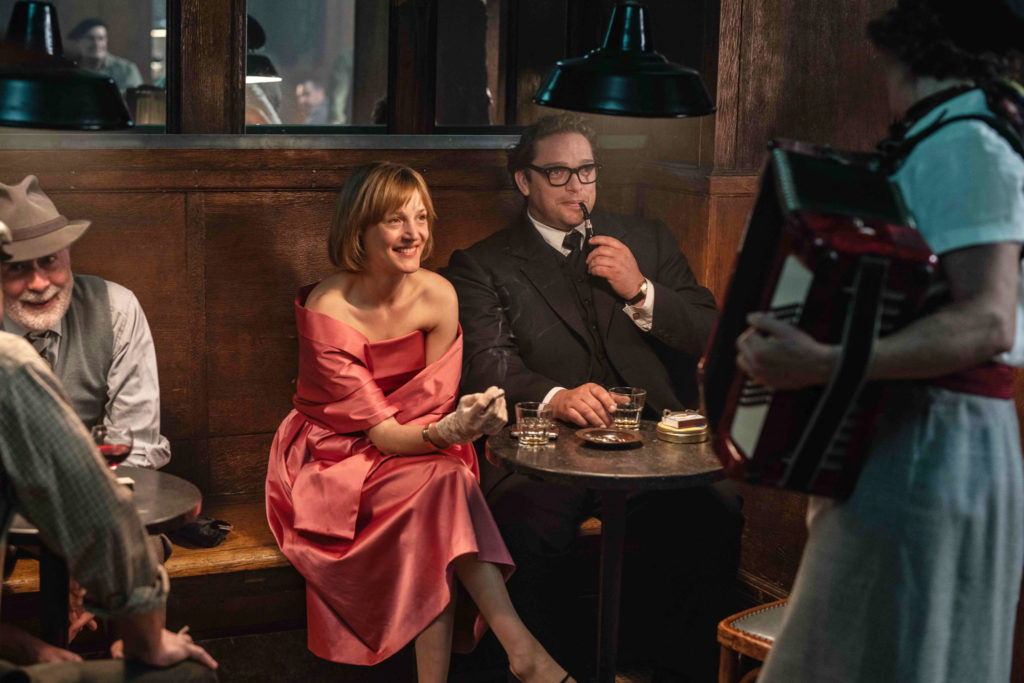
The octogenarian director Margarethe von Trotta, a figure of the new German cinema, signs a relentless and gripping biopic on the relationship between two other major protagonists of the 20th century German literary world: Ingeborg Bachmann and Max Frisch.





 French
 German
 English