




What remains after his death
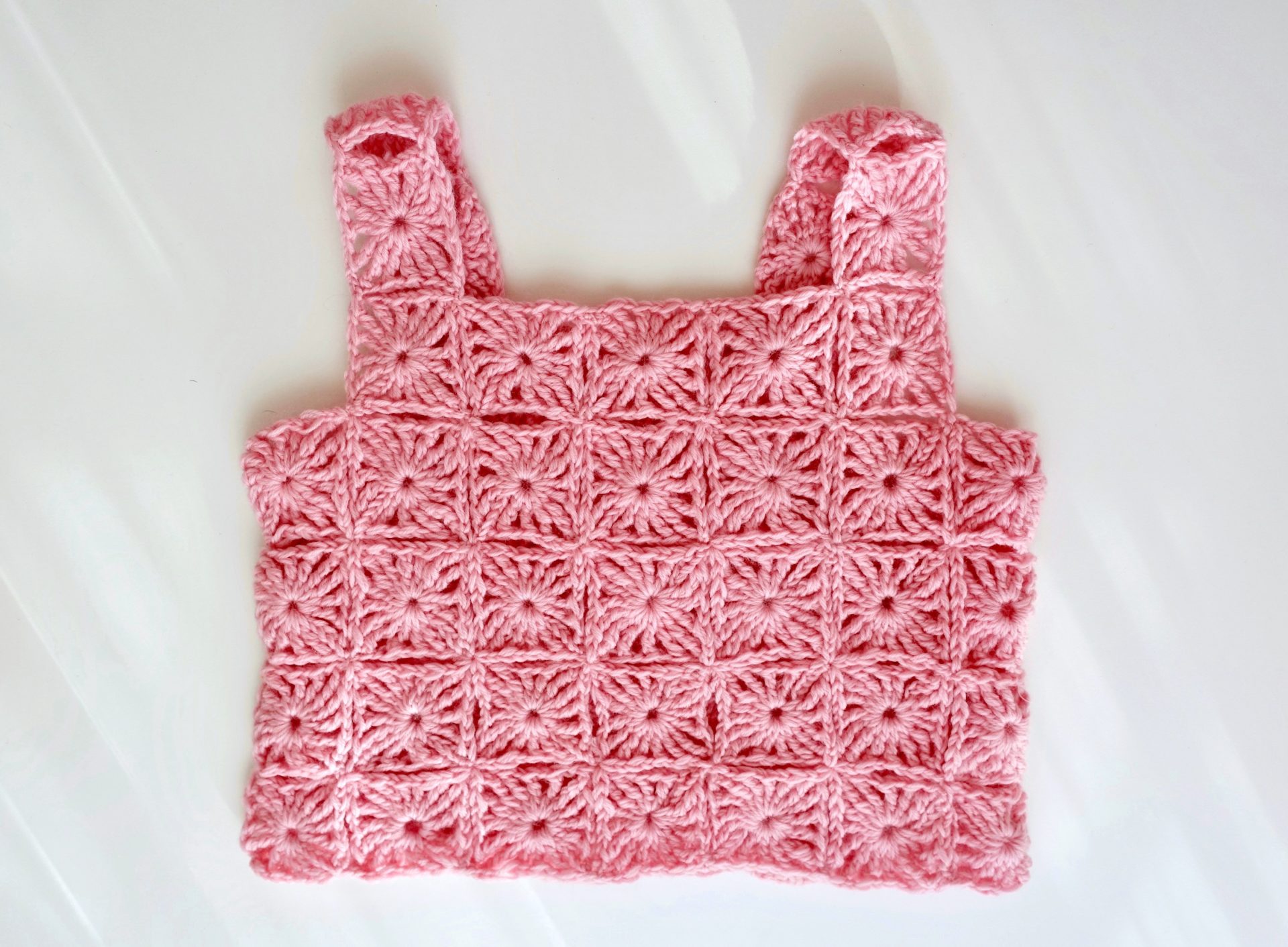
The pink tank top is crocheted by Ludivine Ribeiro's mother © Editions Arléa
Sort the belongings of a deceased relative makes often part of the mourning process. Ludivine Ribeiro took the exercise a step further. She a published a book. A way for the othereure genevoise from tellsr a slice of life. His own and that of his family. A gentle, therapeutic book.
«Life is divided into two parts, but no one tells us: the part where you have a mother, and the part after that. We're led to believe that it's trivial, a formality, that all you have to do is mourn, as quickly as possible - some will even give you a precise time, as if it were baking a cake - and off you go again. But no.»
The heroine of My mother in all things struggles to find serenity after the death of the woman who gave birth to her. Even many years later, the separation still overwhelms her. More than she ever thought possible. As the author of her own story, Ludivine Ribeiro decided to draw up an inventory of the objects that had belonged to her «as evidence of her presence». Often emotionally charged, they represent the only material items left after a person's death.
«Objects, for which we have so little consideration, possess unsuspected powers. Their existence, often much longer than our own, is whimsical and plural, full of superimposed memories.»
She then lists: the Chantilly pistol, the emerald sari, the pink tank top... But also: letters, darkness, eternity... A way of recounting her own life, her memories, but also the journey of a much-loved mother whom she still admires.
«What did you put in your rice salad?»
A chapter corresponds to an object: at first glance, the highly codified form could be tiresome. But this is not the case. Ludivine Ribeiro varies the narrative style with each recollection, gradually allowing us to get to know this German mother, who emigrated to Switzerland and married an Indian much older than herself. A luminous yet sad lady, involved in humanitarian causes, a great cook and a creative handyman.
And then there's all that's left unsaid. All the things Ludivine Ribeiro has already forgotten. The questions she never asked. The stories she hasn't taken the time to listen to. So, to fill in the gaps, she reads her mother's diaries. With frenzy, guilt and tenderness. «What's still private when life is now private?
The false «stage» of grief
The novel My mother in all things does not aim to unravel the mystery of death. It does, however, have the merit of poetically highlighting the everyday moments that punctuate this period of mourning, all too often reduced to «a stage». As the pages turn, the young woman's emotions change very little. The writer seems trapped in the mellow pain of loss, unable to escape - but does she really want to? - even after listing all the objects. Some will see this narrative stasis as frustrating, pathological. Others will take it for what it is: a disconcerting reality. Sadness is sometimes insoluble.
«We think that mourning is learning to live without, when it's the opposite. Absence is not the opposite of presence, but presence amplified, exalted, multiplied, and we have to cope with that from now on, this mixture of emptiness and invasion. Learn to live without it, with its perpetual presence.»
Write to the author: diana-alice.ramsauer@leregardlibre.com
You have just read an open-access article. Debates, analyses, cultural news: subscribe to support us and get access to all our content!
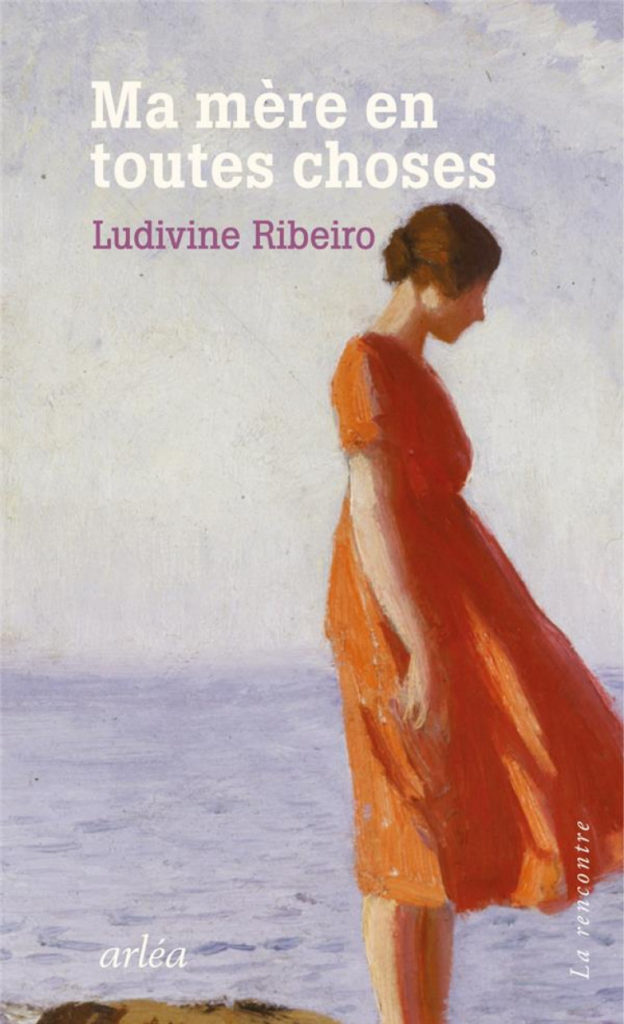
Ludivine Ribeiro
My mother in all things
Arléa, «La rencontre» series»
August 2023
264 pages
You'll also like





 French
  German
  English
Leave a comment