

It's no coincidence that the Baroque period of literary history, from 1580 to 1640, was rediscovered in the studies of the 1960s. Themes such as change, artifice and singularity, which characterized Chassignet's poetry and Viau's theater, also turned out to be the main demands of the May '68 movement.
It's no coincidence, then, that the Baroque aesthetic can be found in the music of the 60s. French chanson needed to emerge from the sixties and find a new musical medium, more elaborate than that of the yéyés, those novice singers. Rockabilly, rock'n'roll, folk rock and the nascent pop rock were succeeded by an unnoticed yet fundamental musical genre: baroque pop.
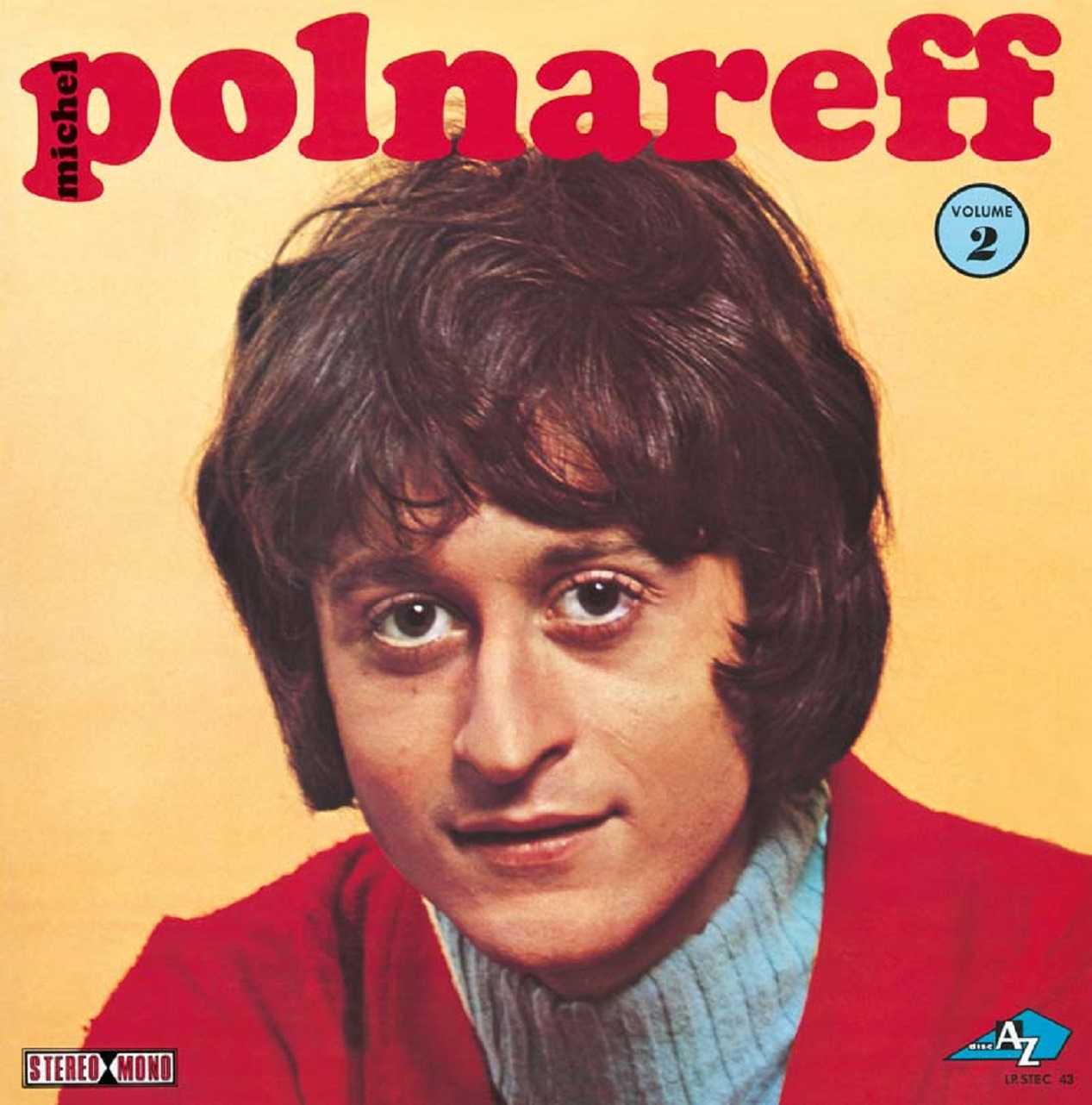
There's no better way to discover this goldmine than to listen to Michel Polnareff's second album, coincidentally released in 1968: Le Bal des Laze, thirty-three minutes of pure genius. From the very first track, Day by day, Baroque themes enter the music: «Day after day / I change my face / Like a landscape / Oh! mon amour». The passing of time, inconstancy and love are transcended by a piano, strings and brass reminiscent of Baroque music, and by Polnareff's talent for melodies.
Read also | Polnarevolutions
However, this album also invites us to enjoy the pleasures of life. Great human feelings express youth's contempt for the codes of old society; Jacques Vallée des Barreaux, libertine and epicurean poet, could have written the lyrics of the song four centuries earlier: «Il faut essayer avant de se marier / Elle est loin, la mode de la virginité / Il n'y a pas de paradis sans amour.»
Third emblematic title, My regrets leaves you speechless. Built on a musical theme played on the harpsichord, the song once again tackles the source of anxiety that is movement and sublimates the worries of love: «It must be said that everything changes so quickly / I have to close my eyes to see you like before.» But it's the tenth song on the album that pushes the art to its perfection; Le Bal des Laze features the Hammond organ - accompanied by bass - and tackles the theme of passionate murder. Polnareff is said to have recorded his masterpiece with five thousand candles in his studio, to create an eerie, mystical atmosphere. Myth or reality? You be the judge!
Write to the author: jonas.follonier@leregardlibre.com
 French
  German
  English