




Swiss Stablecoins: private rather than state ownership
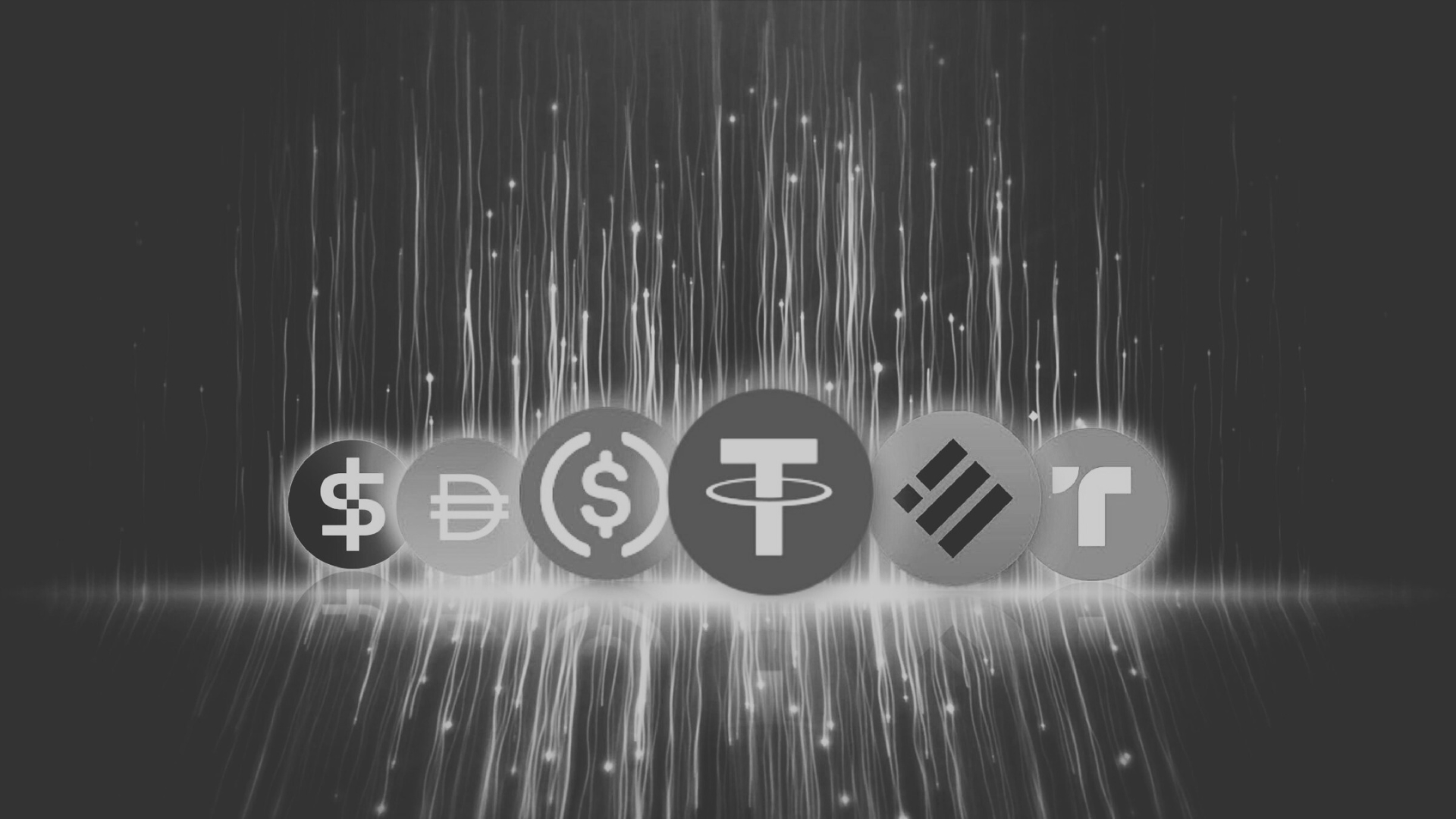
While governments dream of digital currencies, Switzerland can shine in other ways. Stablecoins issued by private players offer more freedom and decentralization than an e-franc driven by the National Bank.
Global finance turns to crypto-currencies. Bitcoin ETFs (stocks indexed to the price of bitcoin) from BlackRock are a hit on the stock market. Several companies, including PayPal, JP Morgan and Société Générale, have rolled out their stablecoin dollars. China has its e-yuan, the EU wants its e-euro.
What about Switzerland? As a recognized financial center, is it in Switzerland's interest to follow the craze and launch its own e-franc? What are the differences between an e-dollar, a crypto-dollar, a stablecoin or a MNBC (central bank digital currency)?
The original crypto-currencies: bitcoin, ether, etc.
We might as well start from the beginning. Bitcoin was the first cryptocurrency technology to appear - a decentralized ledger across the internet, called a «blockchain». Bitcoin also marked the first case of’use blockchain: an entirely digital currency based on this new decentralized register. A cryptocurrency is therefore an asset accessible to anyone, as it is available from a public, decentralized blockchain.
A multitude of other blockchains and cryptocurrencies have been deployed after bitcoin, such as Ethereum or Solana. These cryptocurrencies are more or less anonymous, more or less decentralized and more or less valued over the long term. The main ones, such as bitcoin and ether, offer a real gain in freedom and privacy compared with state-run currencies.
Dollar stablecoins
Subsequently, the Tether company came up with a brilliant idea: to deploy a cryptocurrency backed by dollars. Behind every tether issued, there's a dollar in the safe. The company intervenes on the various exchange platforms to stabilize the price of tether. Tethers are issued if demand rises, and bought back and taken out of circulation if demand falls. By trying to keep supply in line with demand, we manage to keep tether prices around 1$.
These company-stabilized cryptocurrencies are called stablecoins. Tether launched the first dollar stablecoin USDT, followed by Circle with USDC. Today, PayPal has its PYUSD stablecoin, JP Morgan its JPM Coin and Société Générale its USDCV.
A cryptocurrency like bitcoin offers complete freedom and decentralization for the citizen. This is less true of stablecoins. The fact that they are present on public blockchains certainly allows anyone to dispose of them without prior verification or limits. As a result, they are spreading even in authoritarian countries, with anyone able to access them from a smartphone. Nevertheless, these stablecoins are centrally managed. They can be created and frozen at the issuing company's discretion. In short, anyone can enjoy them as they please, as long as the US justice system doesn't come after them or the issuing company doesn't go bankrupt.
Although far removed from the dream of freedom behind Bitcoin, these stablecoins are, for many people around the world, freer and safer than their state currency. Thanks to the success of this multitude of stablecoins, stablecoins are the world's leading traded cryptocurrency. ahead of bitcoin. And the dollar has become king in the blockchain universe.
The e-yuan or e-euro
States that are not very comfortable with the private sector issuing currencies want to take the wind out of their sails by launching their own «crypto-euro», «e-euro» or MNBC. They often hide behind the terms cryptocurrency or blockchain, whereas their solution increases the centralization of currency.
At present, a central bank controls money with its interest rates. Banks manage their customers' accounts or grant credit according to the prevailing rates, which influences the money supply and inflation. Finally, several players such as SWIFT, Mastercard, Visa and Twint enable exchanges between banks.
This system is already not very decentralized and traceable. With the e-yuan or the future e-euro, the central bank will control everything. The e-yuan is controlled directly from the Bank of China's servers, so it is the central bank that controls all accounts and transfers made in this e-money. There's no need for a bank or payment solution - everything happens on the Bank's servers alone. It can also program this new currency, depreciate it to stimulate the economy, impose payment limits to satisfy an ideology (a maximum of one plane ticket per year, 100 units of gold per month...).
This is why bankers and privacy advocates alike are reluctant to accept digital currencies from central banks. These practices centralize the financial system in the hands of one institution, making it virtually impossible to turn back the clock.
What about the e-franc?
For a Swiss resident with a bank account and Twint, a franc stablecoin has few advantages. Just as an American resident has no real advantage in having USD stablecoins. These solutions are above all useful for international transfers. For Switzerland, they make the franc much more accessible worldwide. So, what does Switzerland need to do to push its stablecoin internationally?
The success of a stablecoin must come from below, not from above. Demand must come from Internet users, not bureaucrats. Frank stablecoins issued by private companies on public blockchains offer more decentralization and freedom than MNBCs.
Switzerland already has a good crypto ecosystem. Companies such as Jarvis and Frankencoin issue free stablecoins. Blockchains such as Ethereum, Tezos and Mina have set up their foundations in Switzerland. Companies are innovating, like Bity with its crypto ATMs, or Mt Pelerin, which offers to link the crypto account to an IBAN to pay and be paid as with a classic bank account.
The Swiss financial regulator (Finma) must not stifle the ecosystem with too many regulations, as the European Union is doing (5AMLD in 2020, 6AMLD in 2021, MiCa in 2023, TFR in 2024). At the same time, we need to ensure that these companies remain solvent with regard to the stablecoins they issue, so as not to tarnish the image of the franc and Switzerland. Crypto-currencies should neither be pushed nor banned. Stablecoin has established itself internationally thanks to its ease and freedom of use. Swiss stablecoins must draw inspiration from this to make their mark.
Developer with a passion for technology, François Jolain is the host of the Codable.tv platform.
You've just read an unpublished open-access article. Debates, analyses, cultural news: subscribe to support us and access all our content.

Vous aimerez aussi






 French
  German
  English
Laisser un commentaire