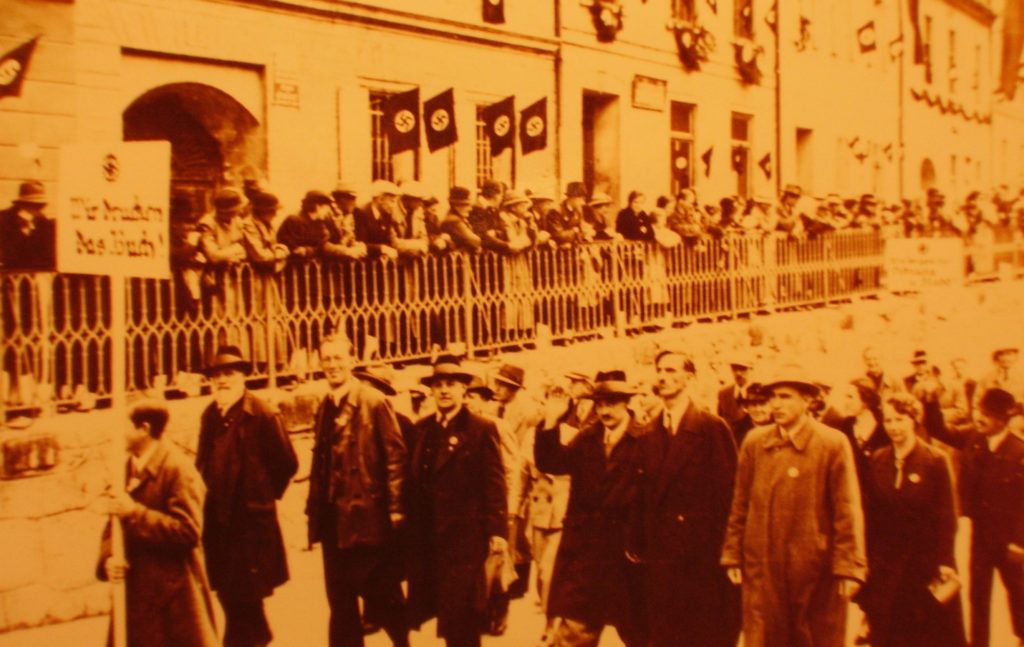
The idea of the nation has a long history, and has established itself as the natural place for the construction of individual freedom. But it loses its identity-building value as soon as it acquires a quasi-religious dimension. It is possible to extricate ourselves from this fatal trap.
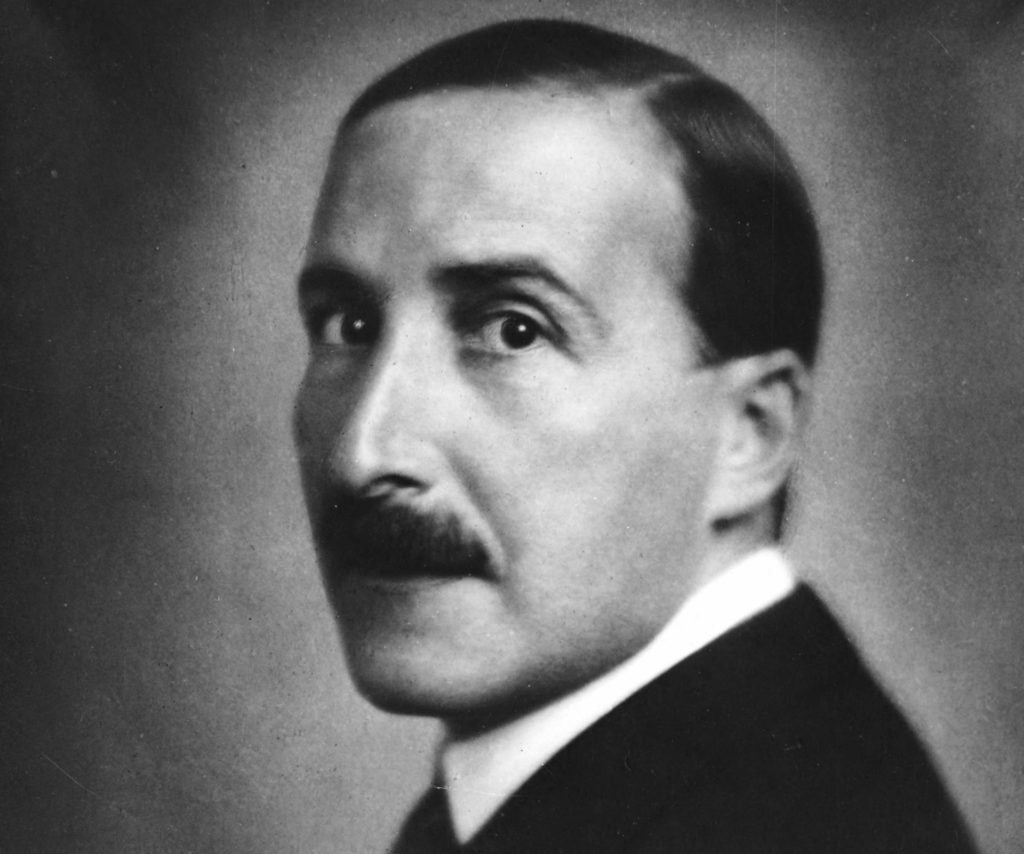
At the dawn of the 20th century, faced with the spectre of the return of war, Stefan Zweig threw all his energies into a losing battle: trying to restore Europe's sense of unity.
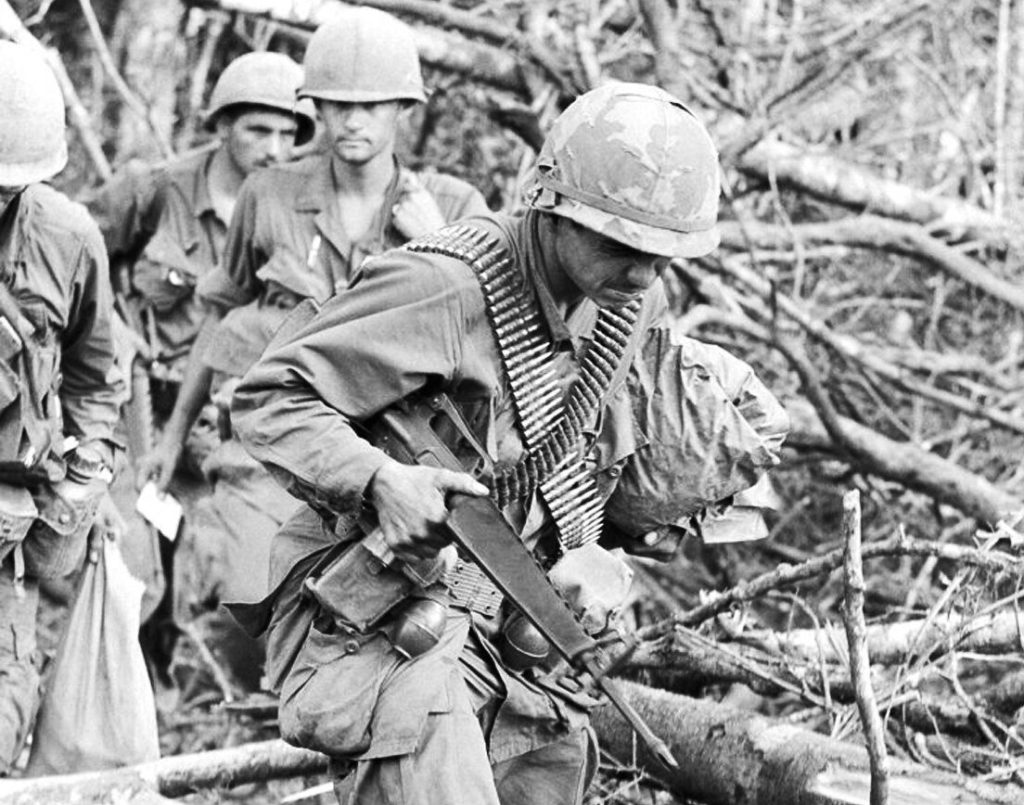
War has existed since the dawn of time, and is still accompanied by the use of psychoactive substances. Historical perspective, in the light of the American experience in Vietnam.
Each month, we feature a column by one of the personalities who give us the pleasure of alternating between the two. Current affairs, history, politics and philosophy: former Federal Councillor Pascal Couchepin's readings.
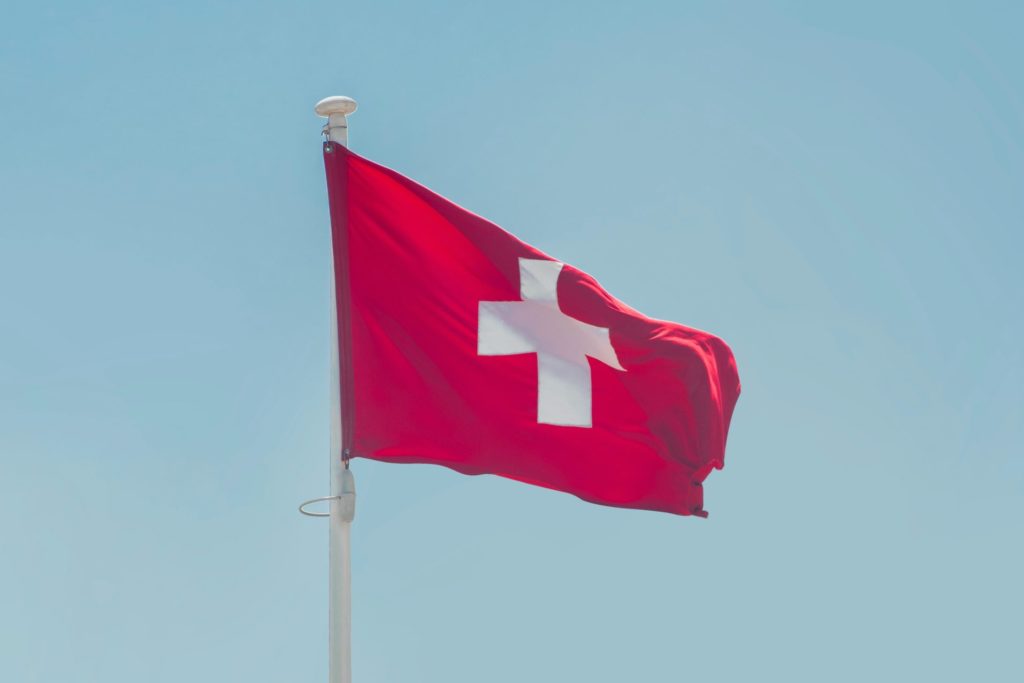
Everyone dreams of a school free of political influence. But isn't that just wishful thinking? History reminds us that it is through schools that the future of a society is at stake. In Switzerland, it was even through politics that peace was achieved.
Fake news stuns political players and observers alike. But isn't it true that lies, whose definition is often relative, are part of history? Only knowledge, debate and argumentation can break down its damaging potential.
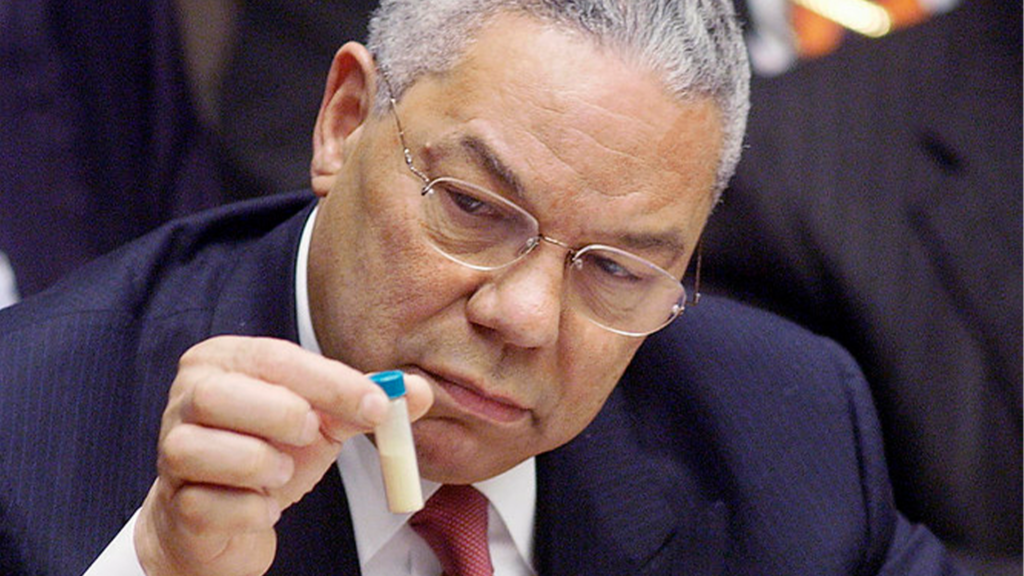
Rarely has a state lie had such dramatic consequences. In 2003, the Bush administration presented false evidence of Iraq's possession of weapons of mass destruction, before invading the country and getting bogged down in a bloody war.
Chaque mois, retrouvez la chronique d’une des personnalités qui nous font le plaisir de prendre la plume en alternance. Actualité, histoire, politique et philosophie: plongée dans les lectures de Pascal Couchepin. Ce mois-ci, l’ancien conseiller présente «Apocalypses» de Niall Ferguson.
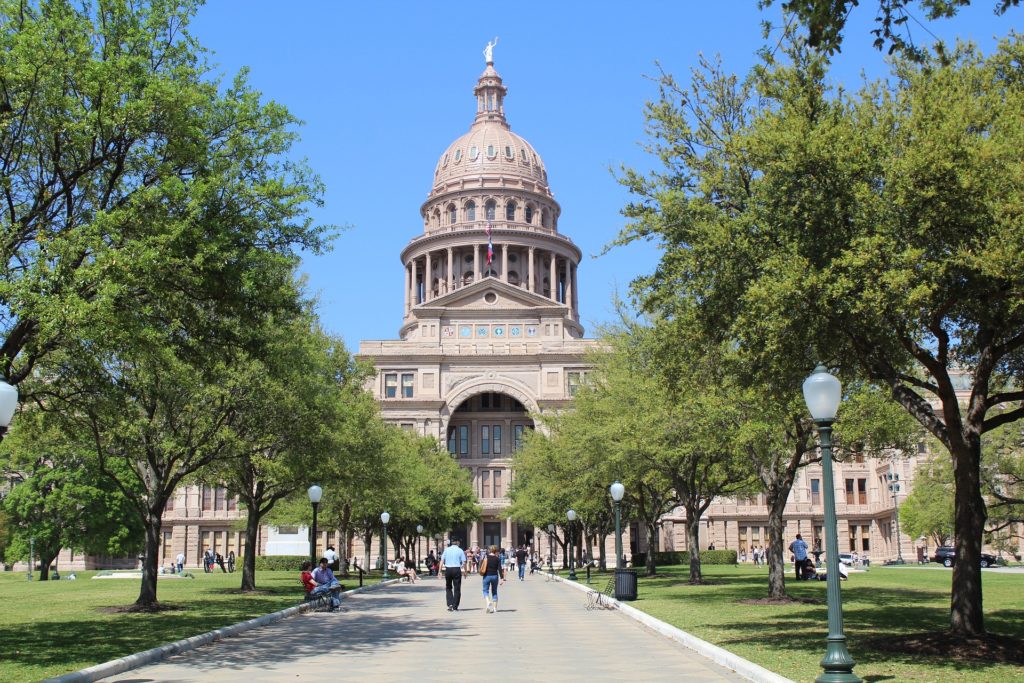
Federalists and anti-federalists clashed violently during the renewal of the American constitution in the second half of the 18th century. Like no other in history, this divide sheds light on the debate between the center and the periphery. It's hard not to see it as a reflection of contemporary issues.







 French
  German
  English