




«Easy rider» and the melancholy quest for freedom
Le Regard Libre N° 58 - Jonas Follonier
In 2019, the film Easy rider of Dennis Hopper celebrated its fiftieth anniversary. The Fondation Fellini pour le Cinéma in Sion (VS) devoted an exhibition to him, in partnership with the Dennis Hopper Institute and the Cinémathèque Suisse. I was there, and I could feel the turning point that was the end of the sixties within Hollywood cinema. A retrospective with a taste for Harleys and the sound of LSD.
I don't need reminding. Or maybe you do. There are absolutely fascinating moments that consist of profound changes in the history of Western culture. The end of the sixties is one of them. At Christmas, my genial grandmother reminded me of this fundamental characteristic of the sixties«Those were the days baba-cool. We were carefree. There was no violence. After that, everything changed.» Well said, Grandma. The art of summary and common sense, better than any encyclopedia. The formula is so well chosen that it lends itself wonderfully to my article. What makes the turn of the sixties and seventies, In a way, it was the end of a utopia. The proof was in the murder of Sharon Tate, Roman Polanski's wife at the time, by a Satanist hippie sect led by the guru Charles Manson.
On the road to the «new Hollywood»
It was against this backdrop of progress towards the end of an idealized, quasi-cinematic world that cinema itself underwent a major revival. By the end of the 1950s, cinemas were emptying out and becoming almost deserted - a reminder of our own times. The traditional heroes of Hollywood productions no longer corresponded, if they ever did, to the imaginations of young viewers who were now committed and rebellious.
To order: our February issue «Music and Cinema: The Golden Age 1966 - 1975»
-
 Le Regard Libre - Nº 59CHF10.00
Today, the success of the seventh art continues among young people via the Netflix platform. At that time, in the United States, the solution came in the form of pioneering feature films. Bonnye and Clyde and The winner were released in 1967 as a response to the young American generation's thirst for identification. Filmmakers surfing on the zeitgeist? Yes and no. Firstly, their works don't follow a fashion emanating from the art world, but rather a diffuse but powerful feeling within the nation itself. And it's always the encounter between a work as imagined by its creator and its potential reception, an encounter which in this case proves optimal. It's the very definition of a landmark film. A classic. Revolutionary or not.
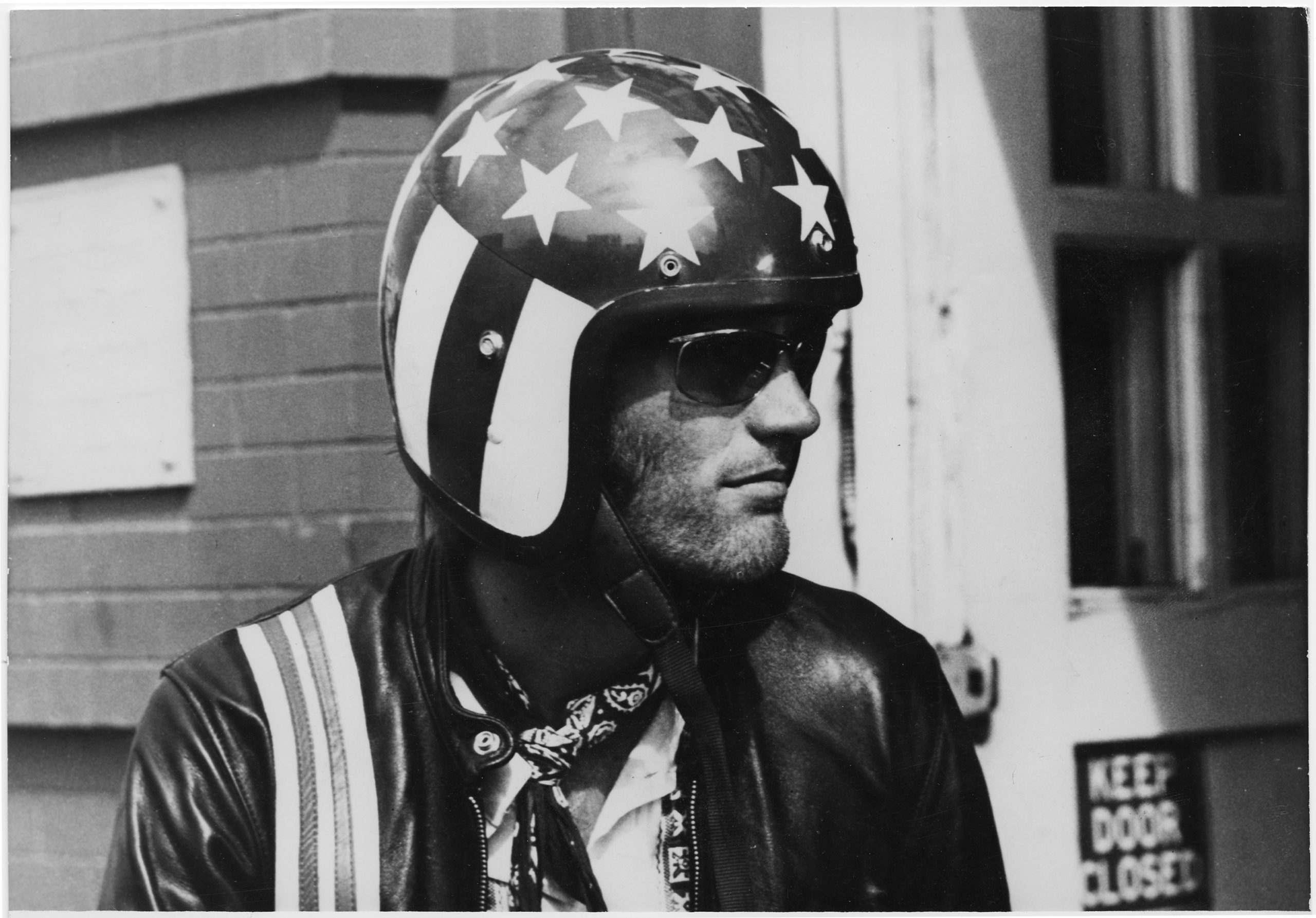
Easy rider can be considered the apogee of what critics called the «new Hollywood». With the call of the road, the motorcycles, the acid, the thirst for novelty, of course. But also the paradox inherent in all those great films we now receive from Tarantino or Eastwood: that of a freedom that manifests itself above all as the object of nostalgia. Hence the artist's urgent need to stage it. Hence the ambiguous characters, the screenplay's fascination with the marginalized, the losers, A game with the classic rules of cinema. In this unique cinematic magma, freedom is the key. wanted in the sense of a melancholy quest that confronts the absurdity of life:
«What's wrong with freedom? It's the only thing that matters.
- It's true, that's all that matters. But talking about it and being free... they're not the same thing. It's really hard to be free when you're a pure product bought and sold on the market. Don't ever tell them they're not free, they'll start killing and slaughtering to prove they are.»
Write to the author: [email protected]
Photo credits: Easy Rider, 1969 Coll. Cinémathèque suisse © All rights reserved
-
 Le Regard Libre - Nº 58CHF10.00
 -
 Digital subscriptionCHF50.00 / year
 -
Standard subscription (Switzerland)CHF100.00 / year
-
Support subscriptionCHF200.00 / year

You'll also like

 French
  German
  English
Leave a comment