




Telling the story of Switzerland in the city and in the country
DR
In Farming, Vaud-based Blaise Hofmann wants to understand the ever-widening gap between the urban population and farmers.
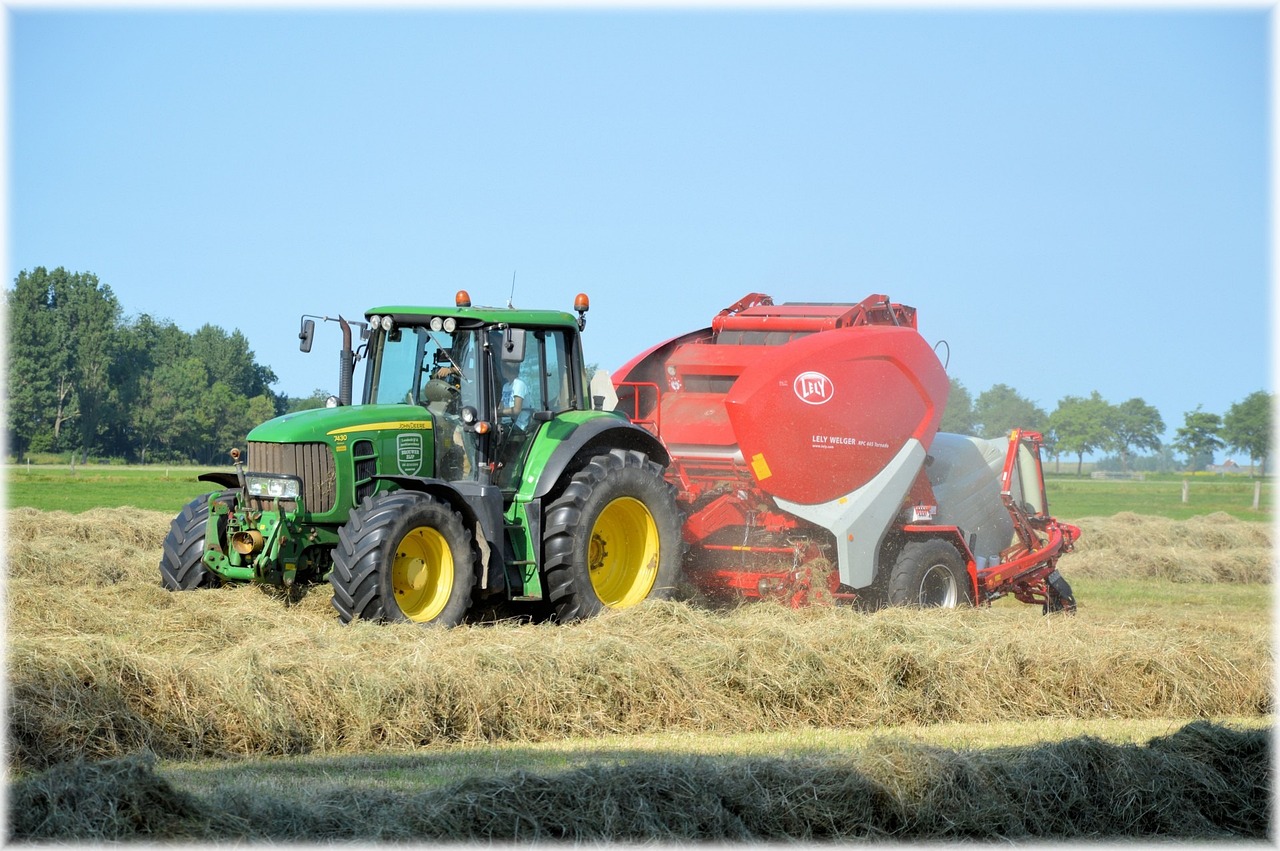
«Switzerland milks its cow and lives peacefully». This sentence dates from 1859, when Victor Hugo wrote it for his collection of poems The Legend of the Centuries. Blaise Hofmann, a writer from the canton of Vaud, takes up this theme in his latest book. Faire Paysan, published this spring by Editions Zoé.
As the son and grandson of farmers, the author observes in this book, which is both a report and a collection of personal accounts: the age-old idyll between Switzerland and its farmers has come to an end. In the past, working the land employed a third of the Swiss population. It was seen as the guarantor of the country's peace and prosperity. Today, a large proportion of the population perceives this activity as a source of pollution and animal exploitation.
A widely divided population
Blaise Hofmann deplores this. He deplores this «new Röstigraben, which radicalizes thoughts and actions, uniting the people of Geneva, Basel and Zurich against the farmers». This book is therefore a somewhat desperate attempt to reconcile two worlds that no longer speak to each other. At best, the writer hopes to renew the dialogue between these farmers - who are often considered irresponsible - and an urban population that is increasingly concerned about the origin and quality of the food it puts on its plate.
One of the virtues of this book is that the author judges neither side. He still remembers the smell of haystacks on his grandfather's farm. But he admits he's now more of an urban bobo. With one foot in both worlds, Blaise Hofmann sets out to give a voice to all the players in this diverse world: the old man close to retirement, the young graduate converted to organic farming, the vegan oat milk producer, the farmer who founded a cooperative, the peasant woman who is still all too rare in a man's world. So many characters who give relief to a branch that we too often represent in a monolithic way.
Difficulties often overlooked
In their often touching, but always modest testimonials, the interviewees describe the harshness of this life. They speak of their financial wrecks, of the abysmal investments required to qualify for direct payments, of the mountains of paperwork to be completed, of their isolation in the digital age. And of the ropes that still too often hang from the beams of barns all over the country. «Being a farmer means working harder than everyone else and earning less than everyone else, to feed people who think we're poisoning them,» admits one of Blaise Hofmann's interviewees.
And on every page, the author's tenderness for these men and women, rooted in their land and who have made introversion and discretion their trademark, shines through. These silent men and women, with their broad shoulders and huge paws, who speak with such difficulty of their difficulties and their feelings. Those whose anger and outbursts can only be heard when they feel cornered by the townsfolk.
Switzerland at the forefront of the ecological revolution
Farming doesn't paint an Epinal picture of a pre-war countryside. Blaise Hofmann does not gloss over the problems associated with fertilizers or weedkillers, or the overproduction that has existed since the Thirty Glorious Years. But he also points out that, since 1996, ecological concerns have governed the work of farmers. «The ecological revolution in agriculture - albeit too slow - has been underway for three decades in Switzerland,» he points out.
Not all farmers complied willingly; some even try to get around the rules. But for the most part, the industry thrives on the feeling of a job well done," notes the Vaudois, providing a reminder to those who are more accustomed to the noise of traffic than the tinkling of cowbells. Being a farmer is a bit more complicated and heavier than you might imagine from the comfort of your sofa.
For Blaise Hofmann in any case, this book is the expression of a malaise that many Swiss people can feel today, between ecological concerns, the inevitable fight against global warming and the attachment to local sourcing. The writer continues to believe that these two worlds are not irreconcilable. And that one day, the Swiss population will remember that farming is «the oldest profession in the world. It is also the most essential.»
Our portrait of Blaise Hofmann
Write to the author: [email protected]
You've just read an open-access review. Debates, analysis, cultural news: subscribe to support us and get access to all our content!

Blaise Hofmann
Farming
Editions Zoé
2023
214 pages
You'll also like



 French
  German
  English
Leave a comment