



Irène Frain, all the gold of promise
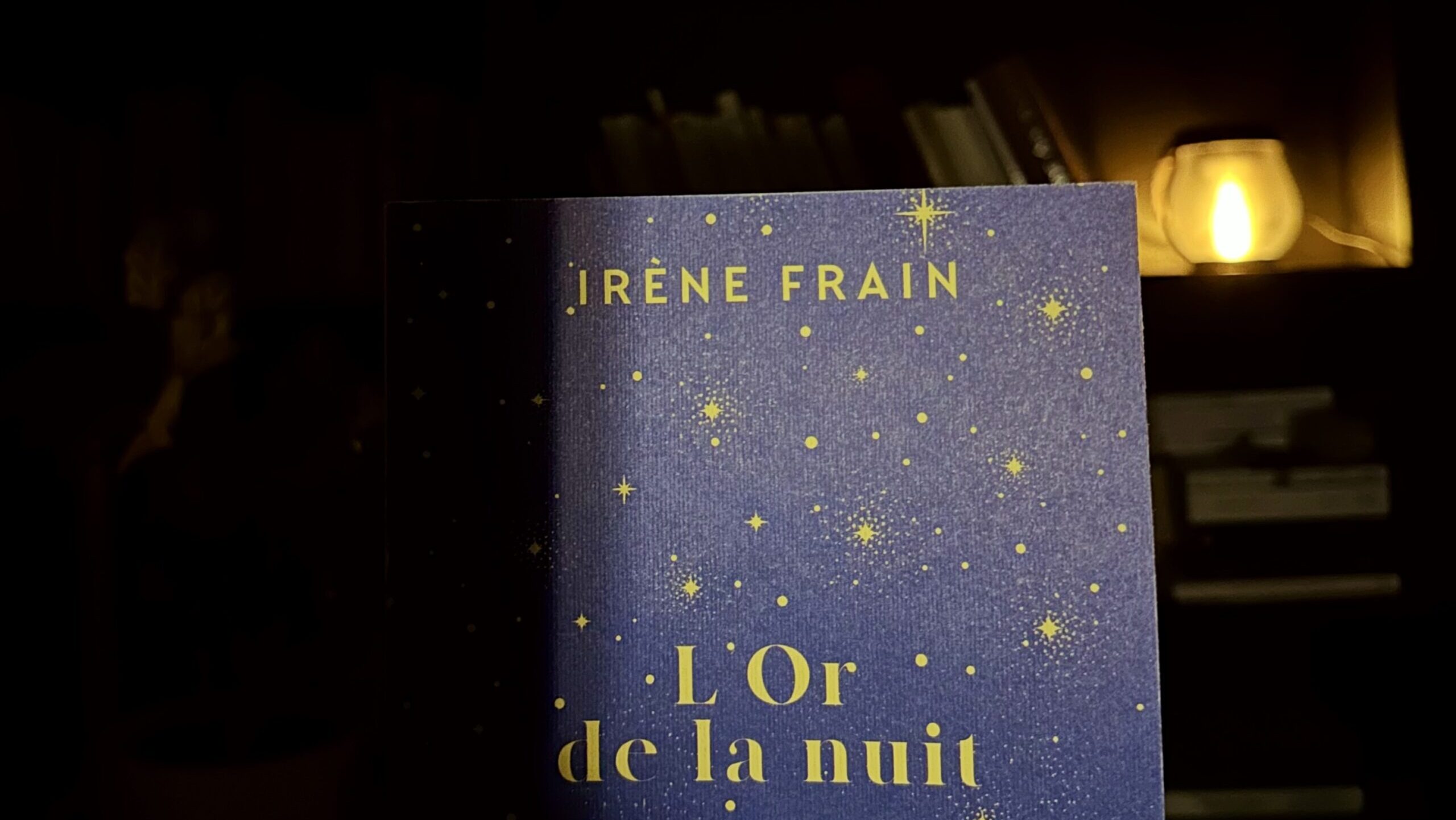
A skilfully packaged work, but without the power to bewitch. Photo: Quentin Perissinotto for Le Regard Libre
Every month, our literary critic puts a work through a kaleidoscope, collecting the images it projects and reconstructing their diffractions. Even if the flashes of genius turn out to be shards of glass.
Night Gold («L’Or de la nuit») is the story of the name that transmission takes on when it becomes destiny: affabulation. Irène Frain plunges us into the heart of the 18th century, when a modest orientalist stumbled across anonymous Arab tales and decided to put them into the hands of readers. And to do so, he translated them. Except that translating is not the right word. He embroiders, comments, invents, ornaments. «Without scruples – he had forgotten what scruples were. The dreamer in him had silenced the scholar. And how powerful he was that evening!»
Read also | An unimportant book?
It was a huge success, with audiences clamoring for the sequel. But horror! He couldn't get his hands on the other tales. He questioned antique dealers and booksellers, and wrote to his contacts in the Middle East, but the second part of the manuscript was nowhere to be found. Outside, the rebels shouted: «Galland, feignant, a sequel, quick, what are you waiting for, feignant, we're waiting for you...» Caught in the vice of words, Antoine Galland stalks an invisible prey.
«He had long embraced Scheherazade's wisdom: what matters is the true, what matters is the false, only the beauty of the gesture of the man or woman who, in solitude, and under the threat of night, goes off to pick up a story hanging on the crescent moon, just before it sinks into the abyss of the starry sky.»
Between Versailles and the Orient, the novelist of more than 60 books takes the reader in the footsteps of Antoine Galland, scholar-traveler, consul and member of the Académie des inscriptions et belles-lettres, but above all the first translator of the A Thousand and One Nights. In ten large chapters, each composed of short stories, she dreams of herself as Scheherazade, orchestrating the rhythm, carefully distilling suspense and stretching the plot to the point of opening up parallel lives. But beyond the fascinating odyssey of a text, Night Gold («L’Or de la nuit») is the story of a double betrayal: Galland's betrayal of words, and Irène Frain's betrayal of the reader.
Irène Frain stalls history
The promise was beautiful, tantalizing: to make this novel the mirror of the book it's about, by means of twists and turns, swarming doubts, masterful twists and infinite beginnings. To keep a hungry reader on the edge of his seat. But underneath the pretty rhetorical bodywork lies the engine of a moped. You can feel the intention, you can see the gesture, but it just doesn't work. After the first quarter of the story and the setting up of the plot, the narrative coughs, then bogs down laboriously. We get terribly bored and turn the pages faster and faster, reading diagonally to loosen the mud stuck to our fingers.
It would not be too bold to assert that Night Gold («L’Or de la nuit») is an oasis of reading pleasure: we think we're holding in our hands a hectic novel of expectations, but after a few moments the illusion fades precipitously. The meandering embedded narratives lead us astray, and our interest along with it; in the end, it's only the hunt for the forgotten manuscript that matters, while the intrigues at court and the dirty tricks of the nobles creep up on us like a pox on the monarchy.
The reader is not a guinea pig for literary experiments: if the mechanism is merely interesting without producing the desired effect, the whole thing is a failure. And there's no point in being too indulgent: you don't congratulate the person who rejects a marriage proposal, but the one who walks down the aisle.
By dint of promising fascination, Night Gold («L’Or de la nuit») ends up looking like an over-lit shop window behind which there's not much to go on. Irène Frain conjures up the mysteries of the Orient, the murmur of libraries and the theater of existence, only to leave the reader with a pale counterfeit. Cleverly packaged, to be sure, but without the power to bewitch. Where the heroine of A Thousand and One Nights held back death by the thread of the story, this novel holds back nothing. On the contrary, the reader is captive to no one. All we have to do is close the book to escape, intact, from this spell-free affabulation. With, as in fairy tales, one last magic word spoken: Cheh-érazade.
Quentin Perissinotto is a literary critic for Regard Libre. Write to the author: quentin.perissinotto@leregardlibre.com
You have just read an open-access column published in our print edition (Le Regard Libre N°124). Debates, analyses, cultural news: subscribe to support us and access all our content.
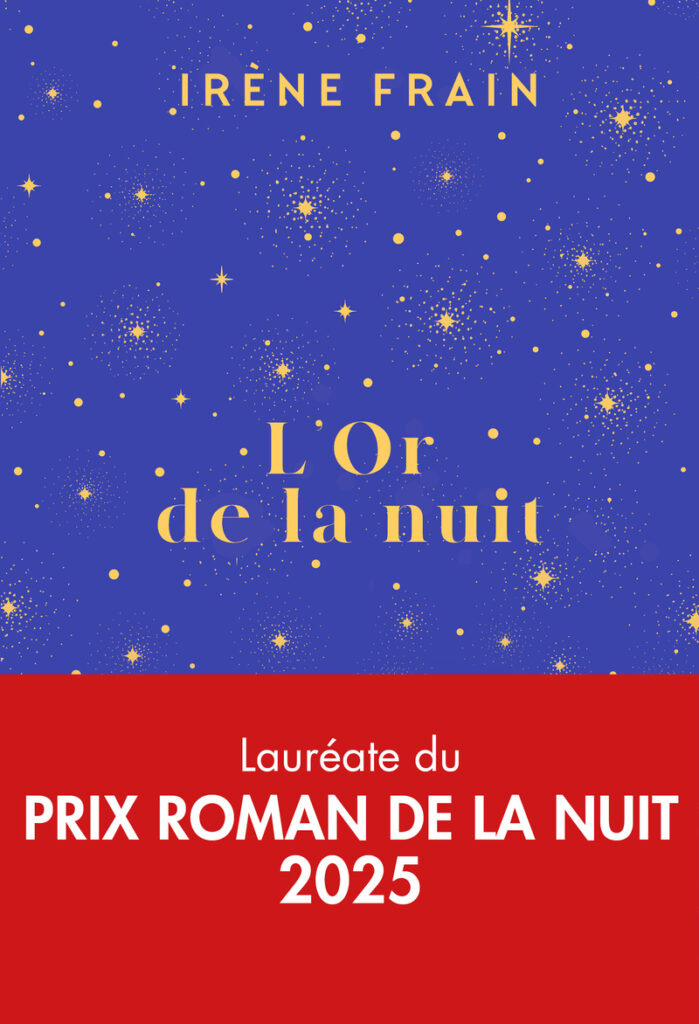
Irène Frain
Night Gold («L’Or de la nuit»)
May 2025
384 pages

You'll also like





 French
  German
  English
Leave a comment