



Freedom doesn't come for free
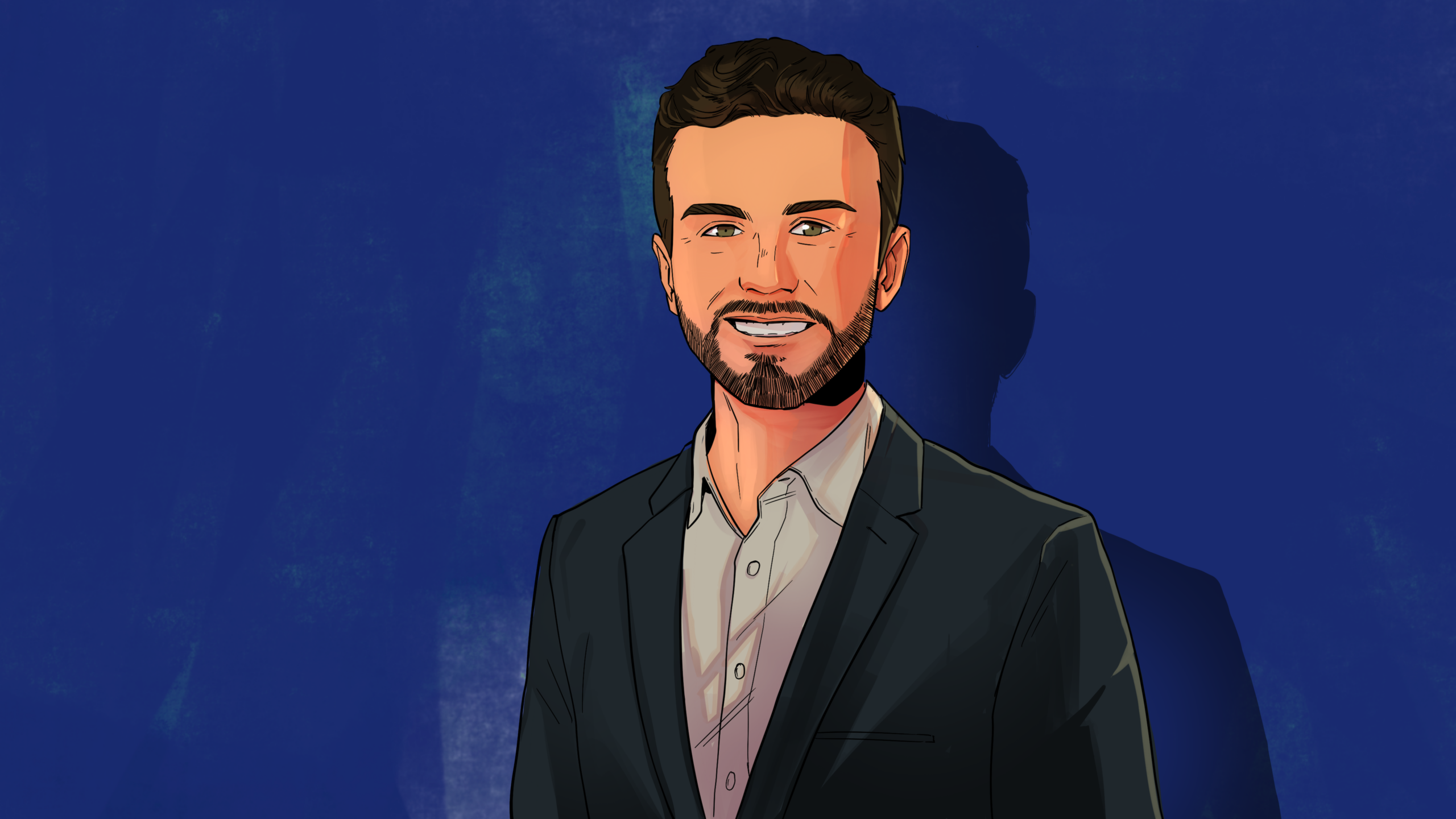
Yann Costa © Drawing by Nathanaël Schmid for Le Regard Libre
Freedom is never a given. Between our liberal heritage, political threats, and new challenges, why must we continue to defend its foundations?
On July 4, 2025, while touring Washington, D.C., with colleagues from this magazine to celebrate the U.S. Independence Day, I came across a phrase that has stayed with me ever since. At the Korean War Veterans Memorial, a few words stood out against a black granite wall: Freedom isn't free («Freedom isn't free.»).
For a young European, it seems almost natural to be able to speak our minds, associate with whomever we choose, choose our profession, create, own property, travel, believe or not believe, laugh, vote, and challenge those who govern us. These freedoms are so much a part of our daily lives that they eventually blend into the background. Yet they are the result of ideas that, before becoming institutions, had to be conceived and defended.
Should we tolerate opinions that we find offensive? What justifies private property? To what extent can a majority impose its choices on individuals? From John Locke to Karl Popper, from Benjamin Constant to Alexis de Tocqueville, including Frédéric Bastiat, John Stuart Mill, Friedrich Hayek, Raymond Aron, and Milton
Friedman, generations of thinkers have sought answers to these and many other questions. They have left us a vast body of intellectual work, which has become the foundation upon which free and open societies are built.
The Paradox of Liberalism
However, a legacy that is no longer understood eventually falls into oblivion. On both sides of the political spectrum, there is now a resurgent risk of concentrating power, controlling speech, or restricting individual freedom in the name of collective interests.
Added to these threats is a paradox inherent in the success of free societies. By empowering the individual, these societies enable people to turn away from politics in order to start businesses, work, and care for their families. Many are content with this, and understandably so: «If I’m left alone, why waste my time on politics?»
Precisely because the conditions that make such a life possible are political. A word one can no longer speak, an activity one can no longer engage in, a possession one can no longer dispose of… Little by little, the private sphere grows ever narrower, and by the time we realize it, it is often too late. Those who cherish their freedom must therefore ensure that the conditions that make it possible are preserved.
Freedom in the Face of the World to Come
This responsibility is not limited to reciting a liberal catechism. Artificial intelligence (AI), demographic shifts, and environmental challenges raise questions that our predecessors could not have anticipated. How will wealth be distributed if AI and robots do most of the work? Can a free society remain free if its citizens no longer share certain common values? How can we reconcile our freedom with the consequences of our choices for future generations? The answers are never predetermined, and that is precisely why we must continue to ask the right questions.
When he became deputy editor-in-chief of the Regard Libre, —that is how I see the mission of this journal. While Washington honors those who shed their blood for freedom, we undertake a task that is infinitely less burdensome, yet just as important: to pass on the intellectual legacy upon which free societies were built and to confront it with the realities of our time. This requires returning to principles without becoming bound by them, observing the world as it changes, and subjecting our own convictions to the test of reality.
Economics graduate and president of the Association Café-philo, Yann Costa is the deputy editor-in-chief of the Regard Libre.
You have just read an open-access article published in our print edition (Le Regard Libre No. 131). Debates, analyses, cultural news: subscribe to support us and get access to all our content!
You'll also like


 French
 German
 English
Leave a comment