The news channel is overtaking BBC News Channel in terms of average audience in the UK, and is acting as a megaphone for red-wall England in a climate of growing distrust of public broadcasting.
When he died sixty years ago, Winston Churchill was universally celebrated as Britain's saviour. Today, his statue is the target of vandalism. This deterioration in his image can be explained by several historiographical turning points.
While Rousseau's writings paved the way for a literature of intimate education, they also gave shape to the stereotypical vision of the preceptor that dominated the French literary landscape until Stendhal.
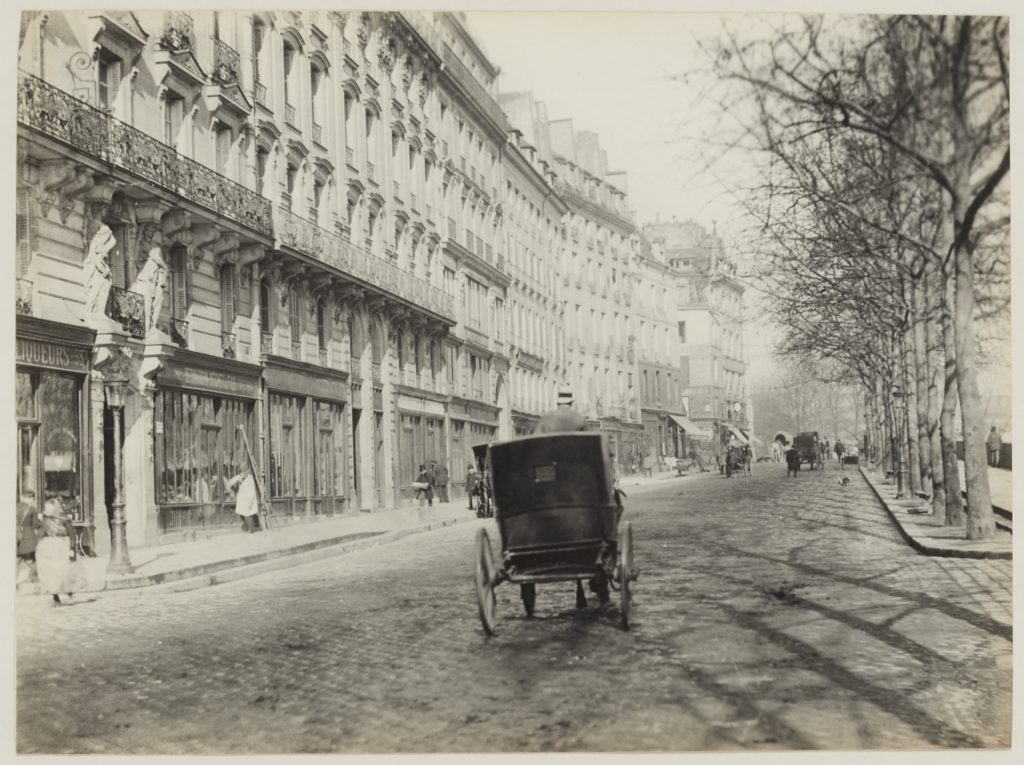
Since Flaubert, love scenes in carriages have become a classic of French literature. Proust's use of this device to describe sexual relations shows both the interest and the limits of the famous fiacre scene.
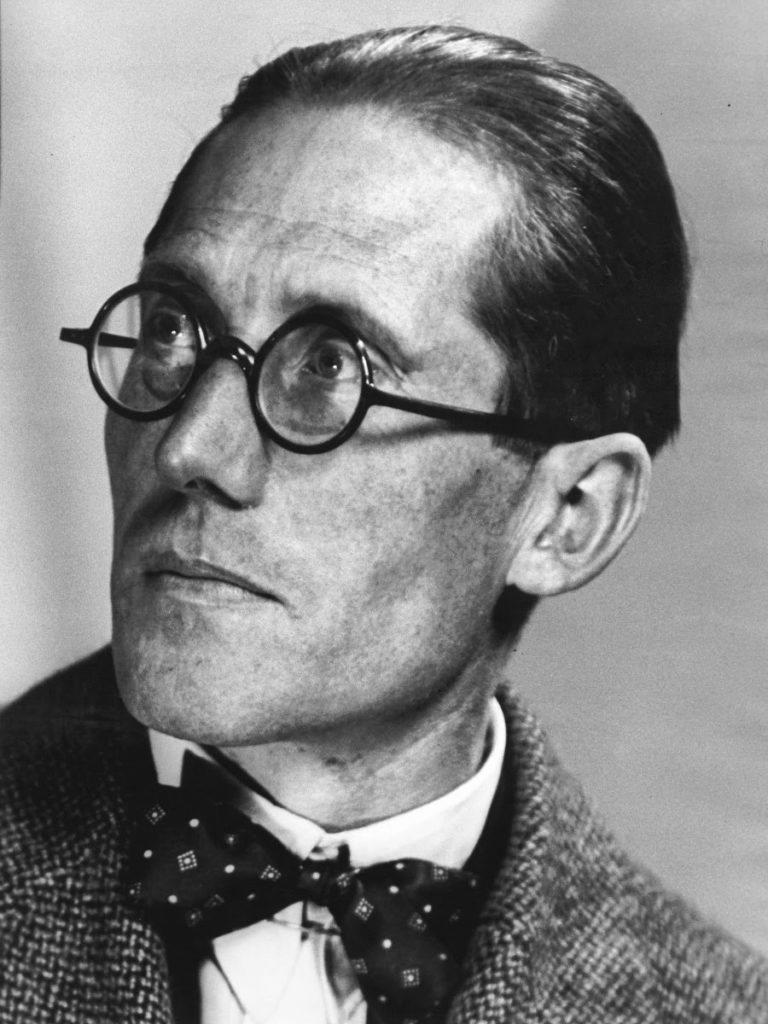
Sixty years after the Swiss architect's death, his work continues to fascinate as much as it criticizes. If it has become canonical, it's because of Le Corbusier's determination to impose his vision of architecture.
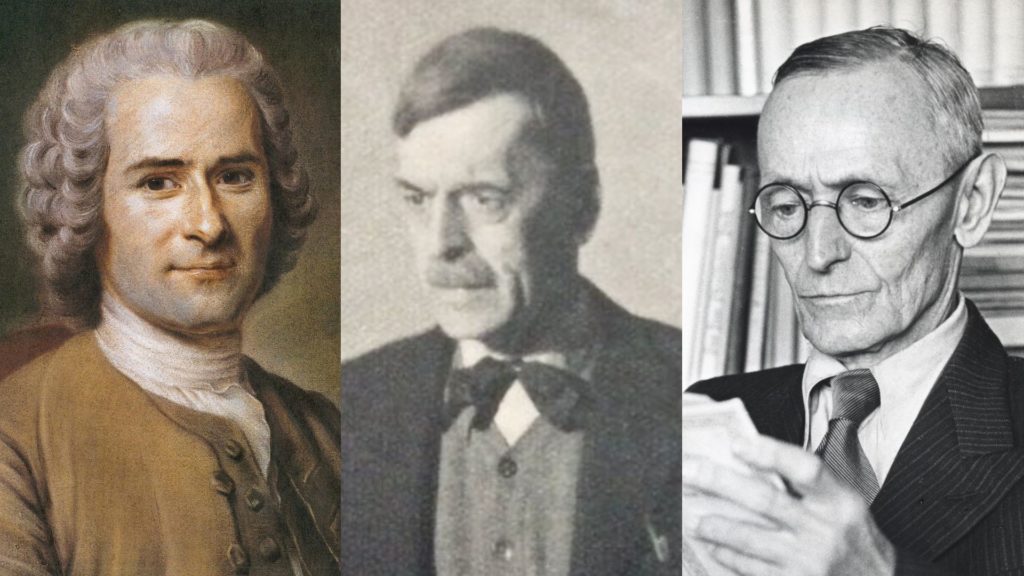
Ramuz, Rousseau and Hesse all share an interest in how the individual tries to live in a society where he sometimes feels like an outsider. An attempt to heroize these three great Swiss authors, who see nature as a source of authenticity.
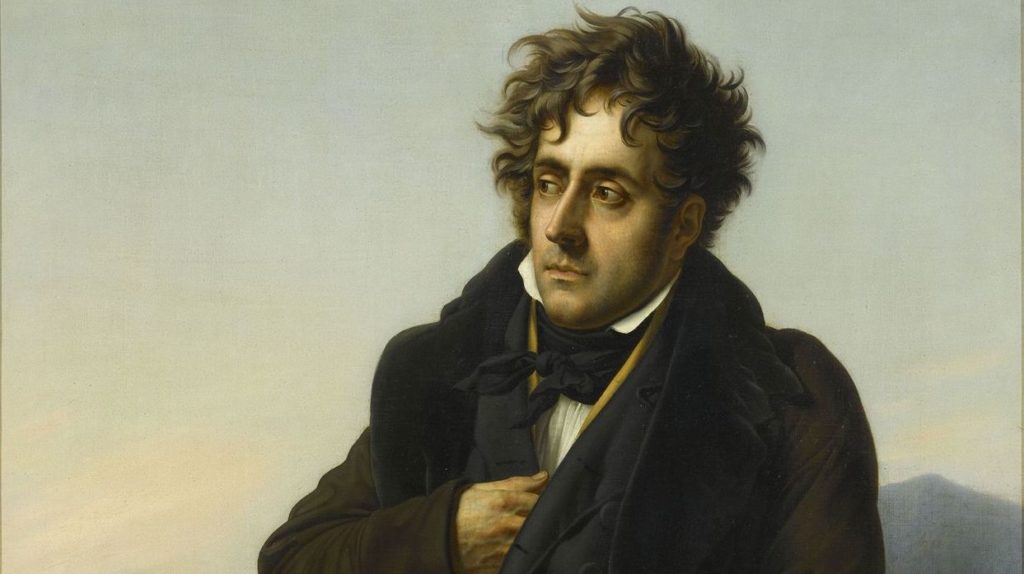
Chateaubriand no longer appeals to young people. Yet the political impact of his writings was considerable in the 19th century, so much so that he was long considered one of the beacons of rebellious youth. His style, which today is a little off-putting, had a lot to do with it.
Is gallantry an instrument of female submission? Certainly not, according to Jennifer Tamas, a specialist in 17th-century French literature and author of a recent essay on the subject.
Those who believe in Morand's black legend remember only his anti-Semitism, while those who are attached to his golden legend salute above all his cosmopolitanism. However, ignoring either of these two dimensions of his personality proves futile.











 French
  German
  English