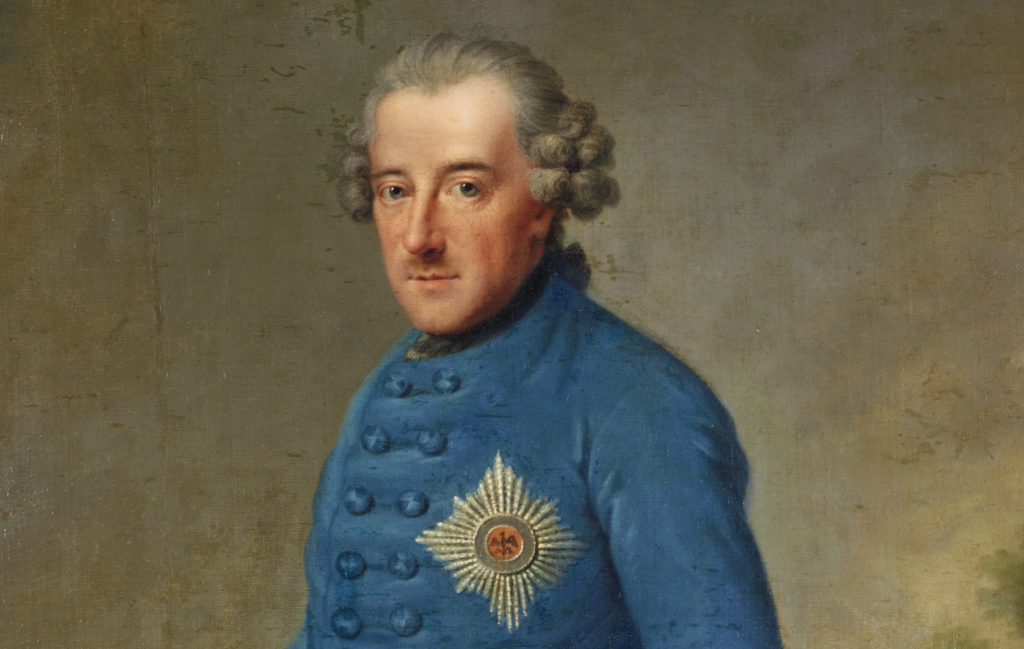
Many studies of the reign of Frederick II, King of Prussia from 1740 to 1786, emphasize the authoritarian nature of the regime he led. To leave it at that, however, would be to overlook the liberal orientation of the political writings of this «enlightened despot».
In July this year, Greeks and Turks commemorated fifty years since the partition of Cyprus. Here we take a look at the political situation, and how it might evolve in the future.
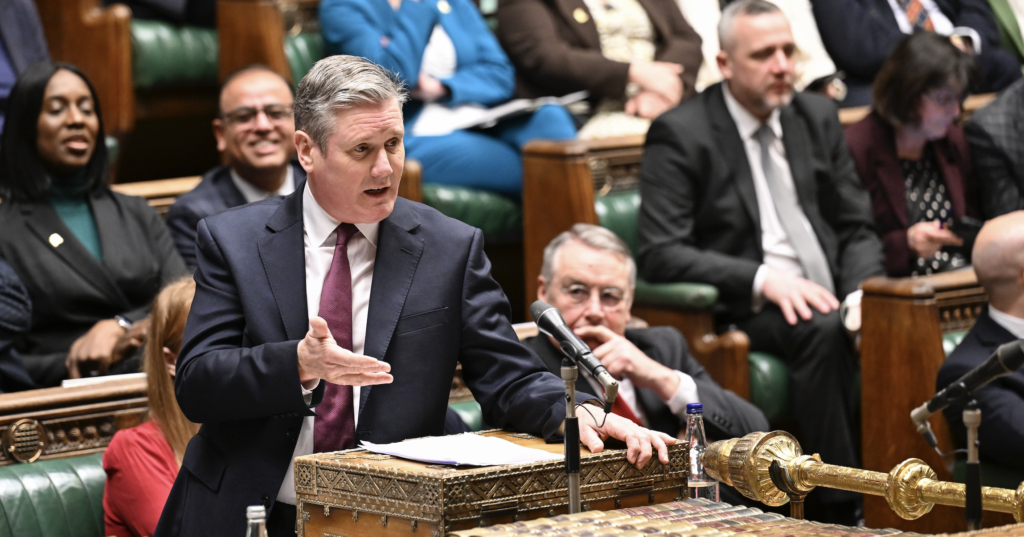
The British Labour Party won last July's election thanks to the support of an electorate committed to a restrictive migration policy. However, it remains to be seen whether Labour will be able to deliver on its promises in this area.
Australia has no hesitation in supporting the efforts of the United States and its allies to combat the rise of China, despite the fact that it is its leading economic partner. This de facto dependence limits Canberra's strategic room for manoeuvre.
After the First World War, many aristocratic houses were forced to join forces with members of the upper middle classes in order to survive. Their relationship to money underwent a profound change. Many of them are now successful businessmen.
The Rassemblement National candidate for the French constituency in Switzerland and Liechtenstein was interrupted by activists at a public meeting in Geneva, before being forced to cancel a planned campaign event in Lausanne.
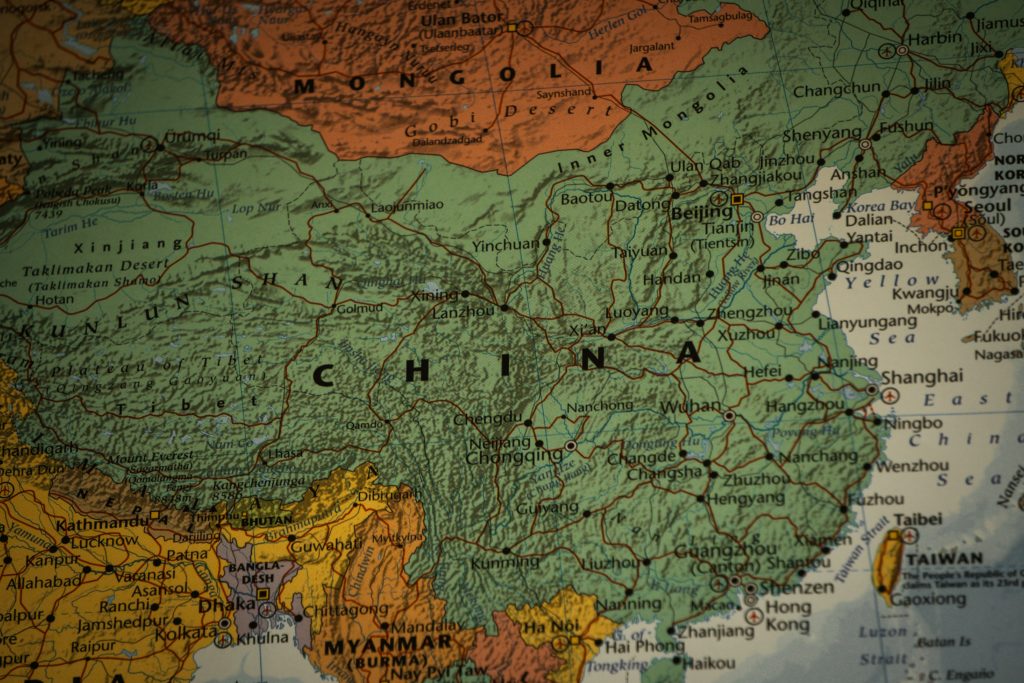
With a great deal of propaganda, Beijing seeks to convince its population and the international community of Taiwan's profoundly Chinese identity. The reality is more complex.
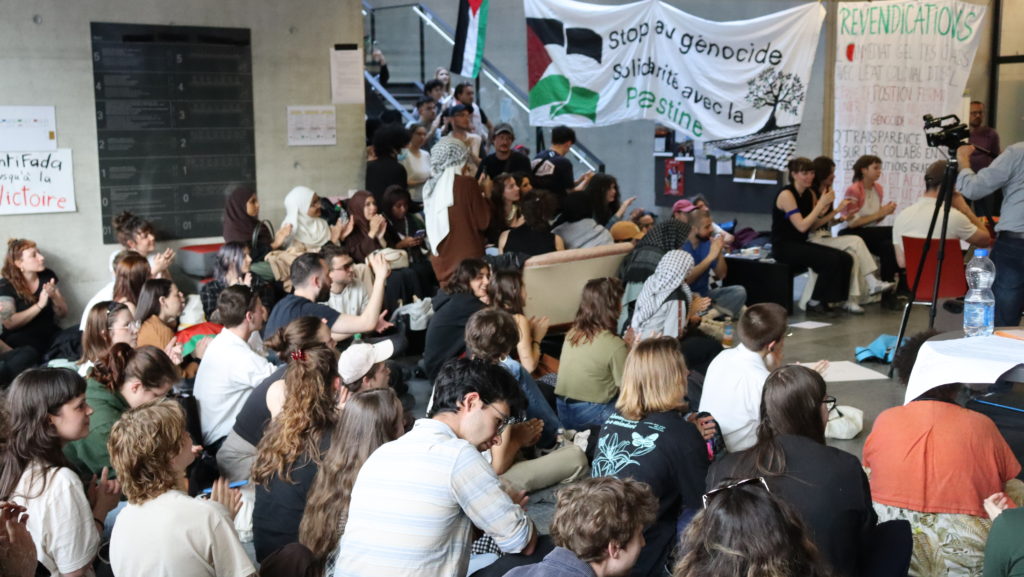
«Palestine will be free from the river to the sea», «Our cause is more important than the law»... The radicalism of some of the pro-Palestinian students occupying the universities no longer needs proving. Report from Freiburg, where some Jews have even been intimidated.
The number of people with no religious affiliation has grown considerably in recent years. A void that seems to be filled by other types of relationship to the sacred.










 French
  German
  English