ARTICLE LONG FORMAT, Jean-David Ponci | «Ah, you love Mendelssohn». At a social gathering, this is probably the composer whose praises you shouldn't sing too loudly. His music is too accessible to attract the interest of your interlocutor. The snob tends to forget that ease is a quality compatible with grandeur and beauty. Mendelssohn was considered the finest composer of his time, at least in England. Here's a little overview to help us get rid of our prejudices and discover what's original and profound about him.
LONG-FORM ARTICLE, Jean David-Ponci | “Woke” culture emerged in the 2000s in the United States to describe activism in support of Black people and, by extension, all those deemed disadvantaged due to their ethnicity, gender, sexual orientation, physical appearance, or disability. Many intellectuals on both the left and the right—the most famous being Barack Obama—have condemned this ideology prevalent on college campuses. In the United States, “woke” culture is primarily concerned with advocating for Black people, particularly through the Black Lives Matter movement, while in Europe it is mainly supported by LGBT advocacy groups. Even if this extreme form of political correctness may seem ridiculous to us, this analysis will reveal that we have already accepted the assumptions that lead to it. We are all already a little “woke” without even realizing it.
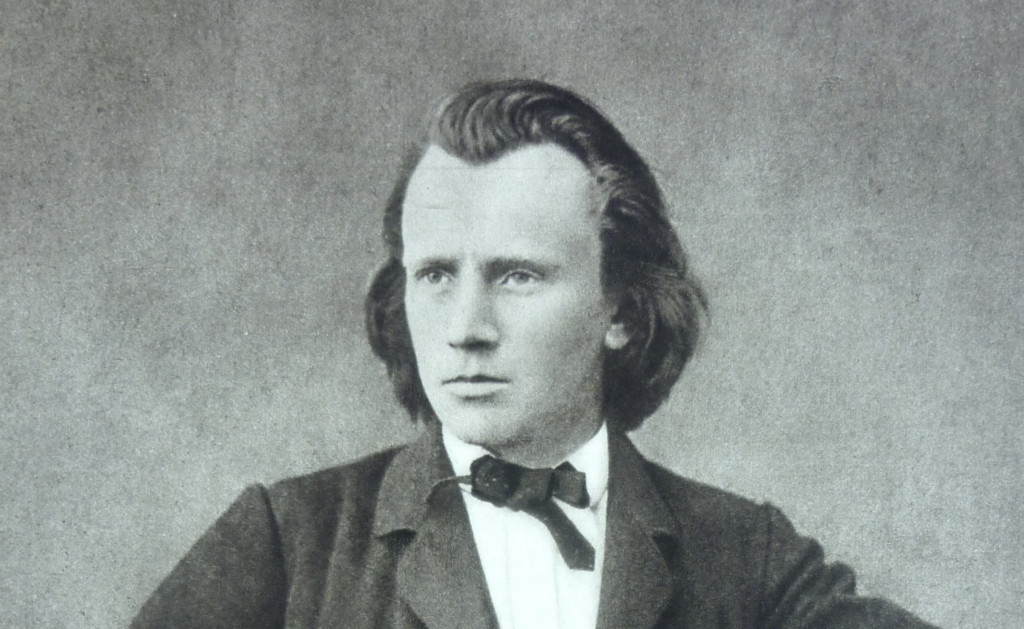
Brahms had a reputation as a misanthrope, and his music was often heavy and too academic. Brahms, a North German, had little love for France, and French composers never ceased to denigrate him. It was said that, thanks to his many trips to Italy, his sauerkraut was often sprinkled with ambrosia, the drink of the gods. It's true... Behind a certain heaviness, there are «divine» passages of intense beauty. That's why, if I had to take just one minute of music to a desert island, I'd take it from Brahms. Brahms is, in fact, a man deeply wounded by an unhappy childhood as a musician in a Hamburg harbor cabaret; but it is from this wound that the sublime music I would choose to keep arises. Perhaps this wound will also help us to understand him better, and to forgive him for his gaucheness.
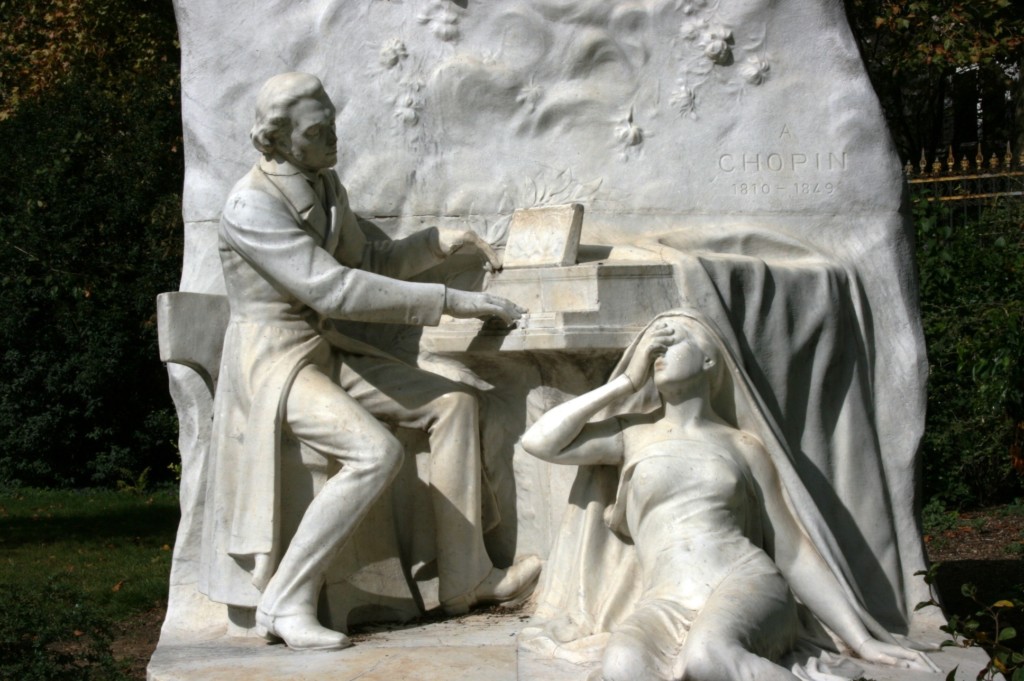
Chopin, exquisitely sensitive, a suffering, fragile, depressive musician... That's how we like to think of him. And yet, Robert Schumann described his music as «cannons buried under flowers». Chopin was in fact a political pianist, a symbol of free Poland. He was also a man of many connections, which is why he was friends with so many famous artists. He wasn't a stage animal like Liszt, but he knew how to be charming and funny. The expression "weapons among roses" also applies to his music: the pleasant, classical, almost rosewater melody is often accompanied by a daring harmony, unique to him, that makes his compositions brilliant.
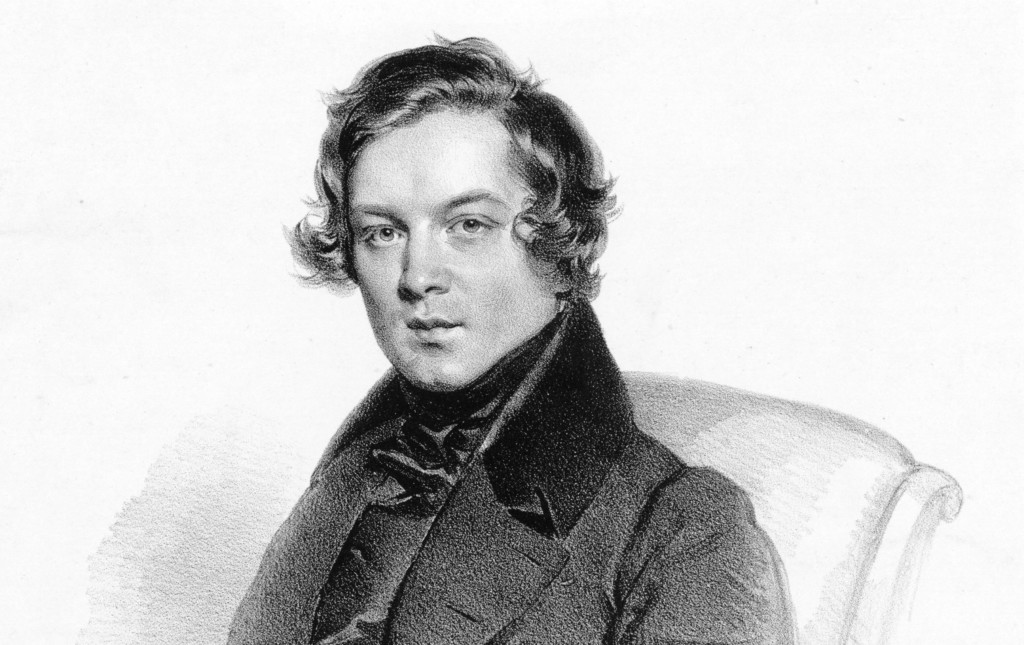
LONG FORMAT ARTICLE, Jean-David Ponci | In the wake of Beethoven, we previously discussed the three giants of the 19th century - Wagner, Liszt and Berlioz - who could also be called the bulldozers of Romanticism. Progressive and innovative in the extreme, they hardly fit the idea of the meditative, fragile Romantic artist. It's time to make way for the «introverts» of the time, who were giants in another way. Schubert has already been mentioned, but there's still Chopin, Brahms and above all Schumann. Even today, it's hard to know what was going on with Schumann's madness and his love for Clara. In the face of a life shrouded in lies by those closest to him, he has left us a body of work that shouts out the truth, masterpieces of sensitivity that make him the most passionate of romantics, or perhaps even the most romantic of romantics.
Meeting with two Neuchâtel piano teachers
According to Wagner, there were three of them. Berlioz, Liszt and himself: the three giants of the age. It makes you wonder. How could a composer as controversial as Berlioz be a giant? Exalted by some, disparaged by many, the only thing that can be said, at first glance, is that he did not leave his contemporaries indifferent.
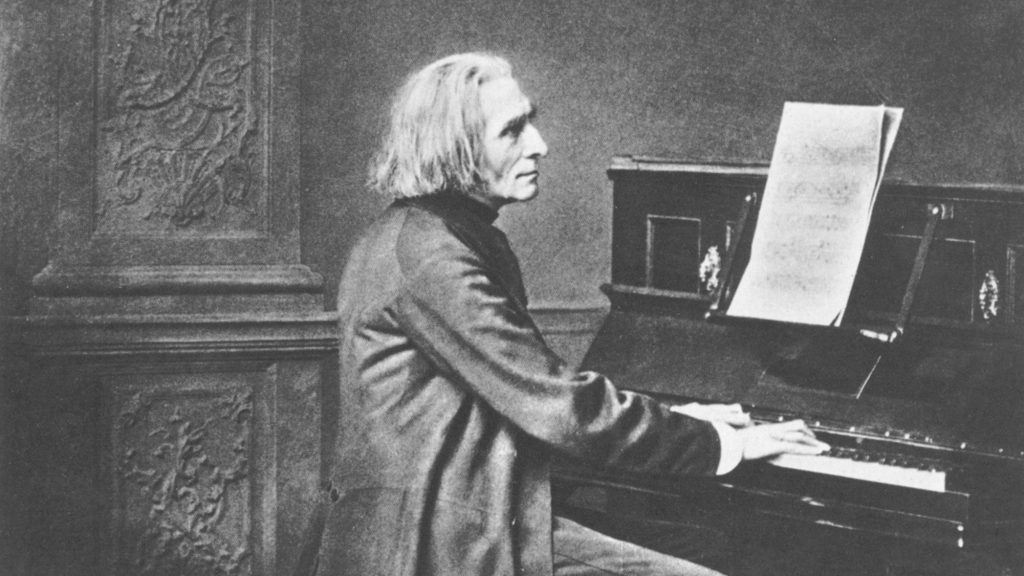
Franz Liszt was above all a generous man.
The co-founder of Romanticism










 French
  German
  English