




A «Pinocchio» in continuity, but a failure
Cinema Wednesdays - Loris S. Musumeci
Matteo Garrone returns. Roberto Benigni too. And of course Pinocchio (1881) by Carlo Collodi, already brought to the screen so many times. The reunion of these three returns promises to be a major event. Dogman (2018), a true masterpiece in my eyes, confirmed Garrone, who had already made a name for himself at Cannes with Gomorra (2008), as a brilliant filmmaker whose releases are eagerly awaited by audiences. Benigni, the eternal sacrificial father of the immense Life is beautiful (1997), makes an even more eagerly-awaited return to the big screen after eight years on stage. And Pinocchio remains Pinocchio, with each new adaptation. Sometimes freer, sometimes more faithful, every adaptation proves that the years do not pass for fables. They remain, speaking to every age, to everyone.
Garrone has seized upon a story he has been intimately familiar with since childhood. Garrone, who considers his previous films to be modern-day black fables, has now turned his attention to a real fable. The most Italian of fables, and one of the best-known. He starts out on familiar ground: this allows him to concentrate more on the style of the photography and the layout of the narrative. The film also follows in the footsteps of Benigni as Geppetto, after playing Pinocchio in his own Pinocchio (2002), which, despite its astronomical cost, was not as successful as expected.
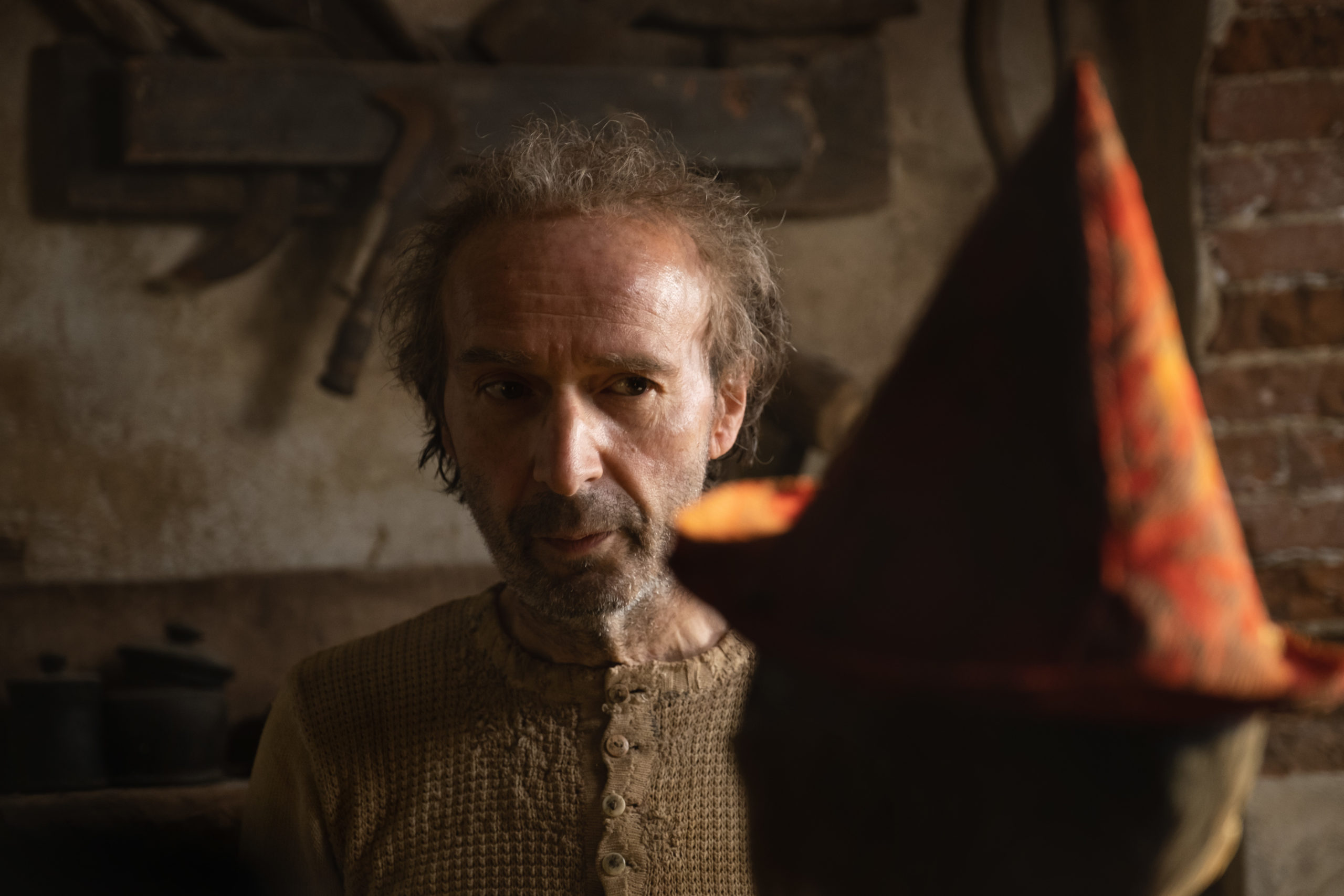
Continuity for both Garrone and Benigni goes further than just their filmography; it's rooted in the theme of paternal love. Fatherly love in Life is beautiful for Guido, who gives his life to save his son Giosuè from the horrors of the concentration camps. Paternal love in Dogman for a Marcello who, despite all kinds of problems, knows only how to smile at his daughter, without ever letting his anguish show, to enable her to dream, to live in a fabulous world. And fatherly love in Pinocchio for a Geppetto who brings a piece of wood to life to make a child, his son. He will even go into the mouth of a whale to find him. In all three films, the father is also in the position of the loser - the kind of character I prefer in cinema as in literature - but a loser who never gives up, out of love for her loved ones and her child.

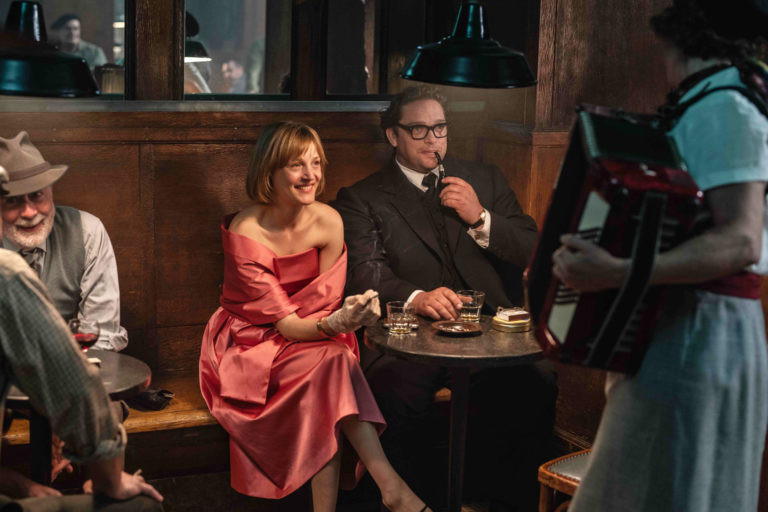
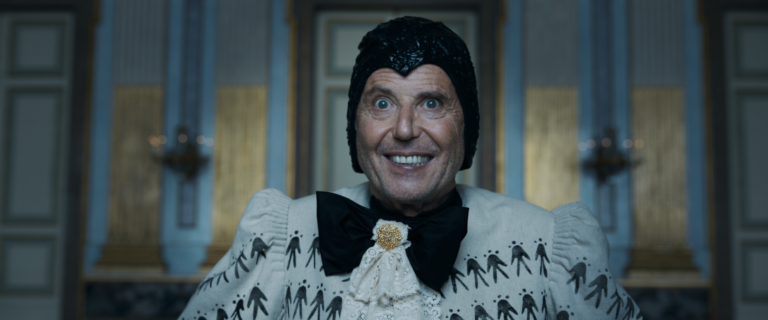
Garrone's photography is always meticulous. If, for Pinocchio, is, in my opinion, less characteristic than in Dogman, But it's still pleasant, strong and catchy. The pale filter on the colors lends a tragic atmosphere, accompanied by the slightly washed-out hues of the costumes, giving the image a natural, soft quality. Beneath the costumes, the characters, their make-up, voices and facial expressions. This is Fellini. Figures inspired by the world of the circus, with highly magnified features, either demonic or angelic looks, and completely off-key voices. These characters are caricatures of themselves, accentuating the context of the fable. Not to mention that many of them are animals with human features, without becoming kitschy in the process. It's fantasy, without the crass excess.
So, all the elements are there for a successful piece of work, aren't they? No, not at all, in fact. Despite the director's undeniable talent as a screenwriter, despite Benigni's always touching performance, despite the young actor who plays the puppet «who wants to become a real little boy», the film is a failure, despite all its qualities. Bland and boring, it is content to deliver Pinocchio's adventures one after the other, without originality. In front of the screen, it's clear that Garrone wanted to cram everything into his film; unfortunately, he neglected the layout. The result is a succession of scenes that become tedious in the long run, with dialogue that doesn't fly very high. Apart from a few more political jabs, the script is content to quote banalities heard over and over again. A pity, because with Dogman in particular, the director had managed to reconcile the fabulous with the modernity of his message.
Out of affection for Garrone, for Benigni, for the fable, I still feel like recommending the film despite its serious flaws. Did I expect too much? Have I been too harsh in this review? I'll be damned if I've said the wrong thing.

Write to the author: loris.musumeci@leregardlibre.com
Photo credit: © Ascot Elite Entertainment
You'll also like

 French
  German
  English
Leave a comment