

Cinema Wednesdays - Jonas Follonier
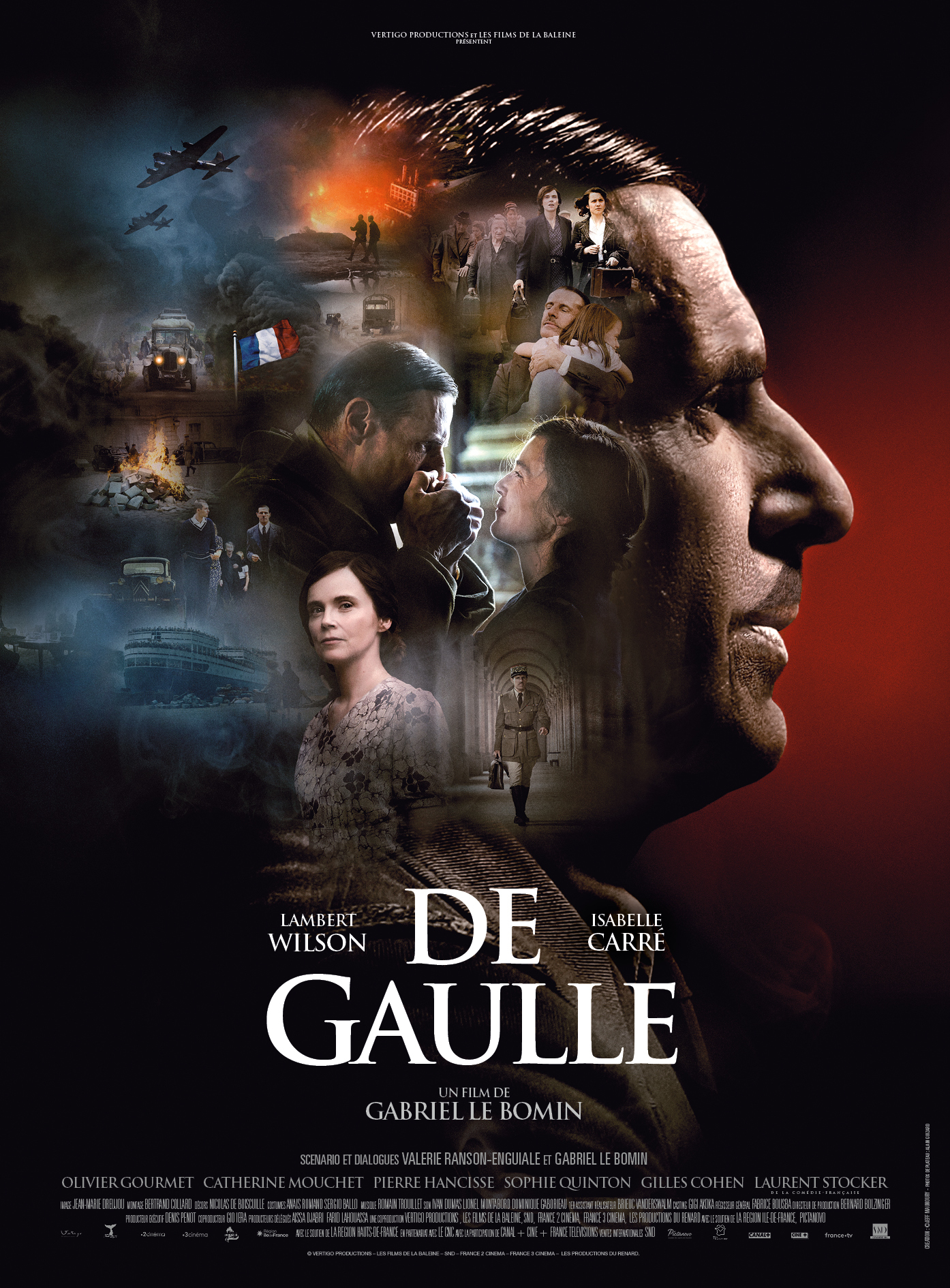
A film dedicated to Charles de Gaulle has been missing. Gabriel le Bomin has made it. Choosing to retrace the months of April-May-June 1940 from the point of view of the general and his wife, the director signs with De Gaulle an important and moving film, both in terms of the historical moment portrayed and the epic story of the de Gaulle family.
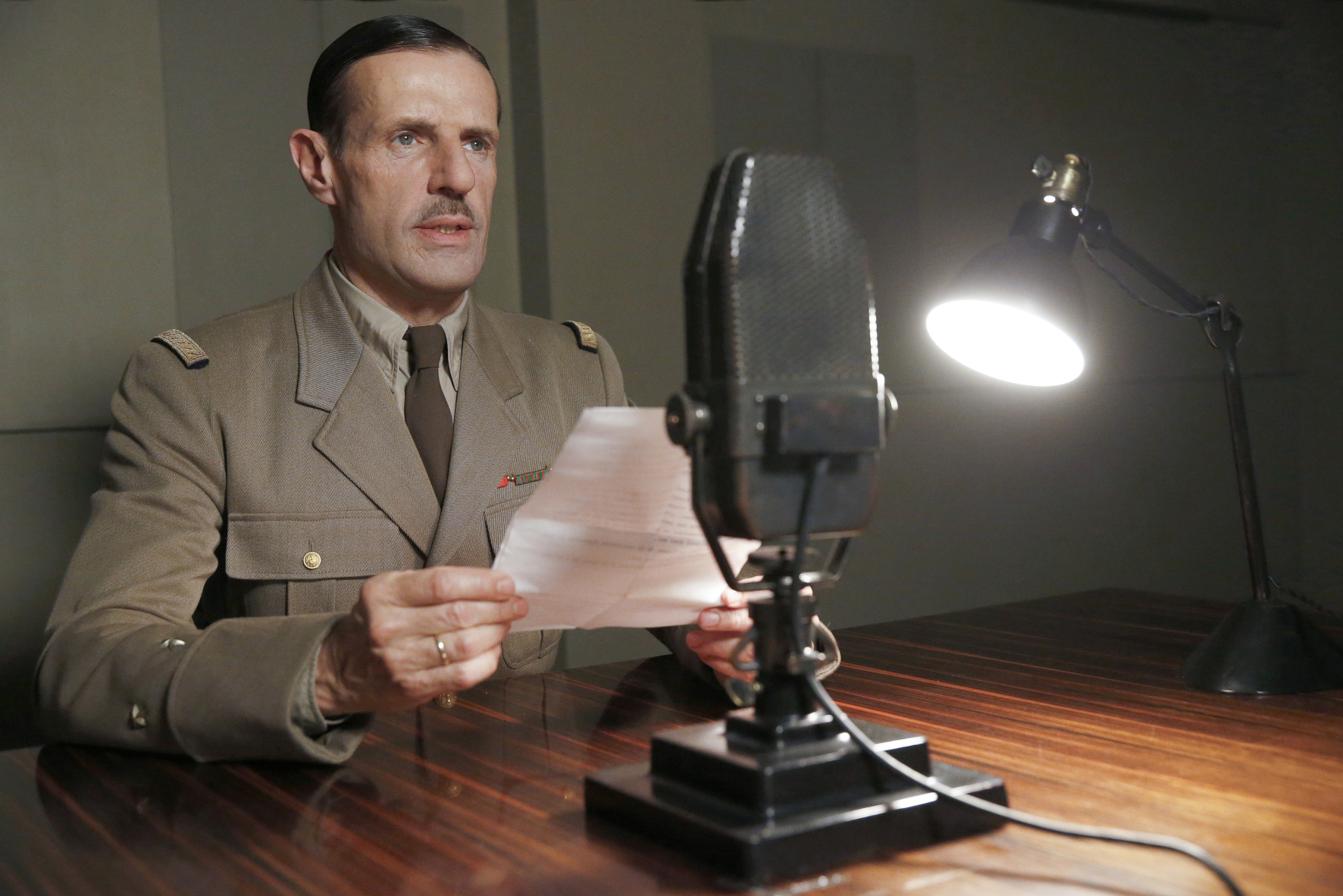
De Gaulle, despite its title, is not a biopic. Director Gabriel le Bomin, a well-known documentary filmmaker, has opted to focus the film on a specific moment in the history of France and that of Charles de Gaulle, not seeking to paint a hagiographic portrait of the statesman. We follow de Gaulle as he is temporarily promoted to brigadier general and appointed under-secretary of state, trying to convince Paul Reynaud, President of the French Council, to continue the war, against the advice of Marshal Pétain, who advocates talks with Hitler and the signing of an armistice. Following Reynaud's resignation and Pétain's arrival at the head of the government, de Gaulle went into exile in London, and from there, you know the story... or maybe you don't - in any case, go and see this film:
De Gaulle is not a turnip, as some columns have claimed. Those who think that Lambert Wilson can't get into the general's suit simply don't understand what an interpretation is, which is not an imitation. It wouldn't occur to anyone to criticize the interpretation of’With time by Benjamin Biolay on the grounds that he did not imitate Léo Ferré. Biolay is not an imitator. And even when Laurent Gerra imitates Fabrice Luchini, it's not an imitation. strictly speakingGerra evokes Luchini in a certain way that he has, and that many of us have - and that's what makes him so successful. All the more so as this is not a biopic, Wilson fully succeeds in embodying Charles de Gaulle's sensitivity and courage in this film, just as Jeanne Balibar did with Barbara. in the film of the same name.
Love of family, love of nation
Admittedly, in the first few scenes, it sounds a little false, or rather the character wonders whether he'll be able to believe it. This impression quickly fades as the film progresses towards what it sets out to express. That is, the personality of a man, Charles de Gaulle, who, as soon as he was promoted to general, fought within the Council of Ministers for France to continue the war, and who, when the President resigned and Pétain took power, continued his fight in London. Through the power of words. Through radio. Through his love for his country. Through his courage. And, at the same time, it's his love for his family that the film shows us. An unconditional love. It brings tears to our eyes when it comes to his Down's syndrome daughter, Anne, whom the couple have chosen to raise, refusing to give her to a specialized institution.
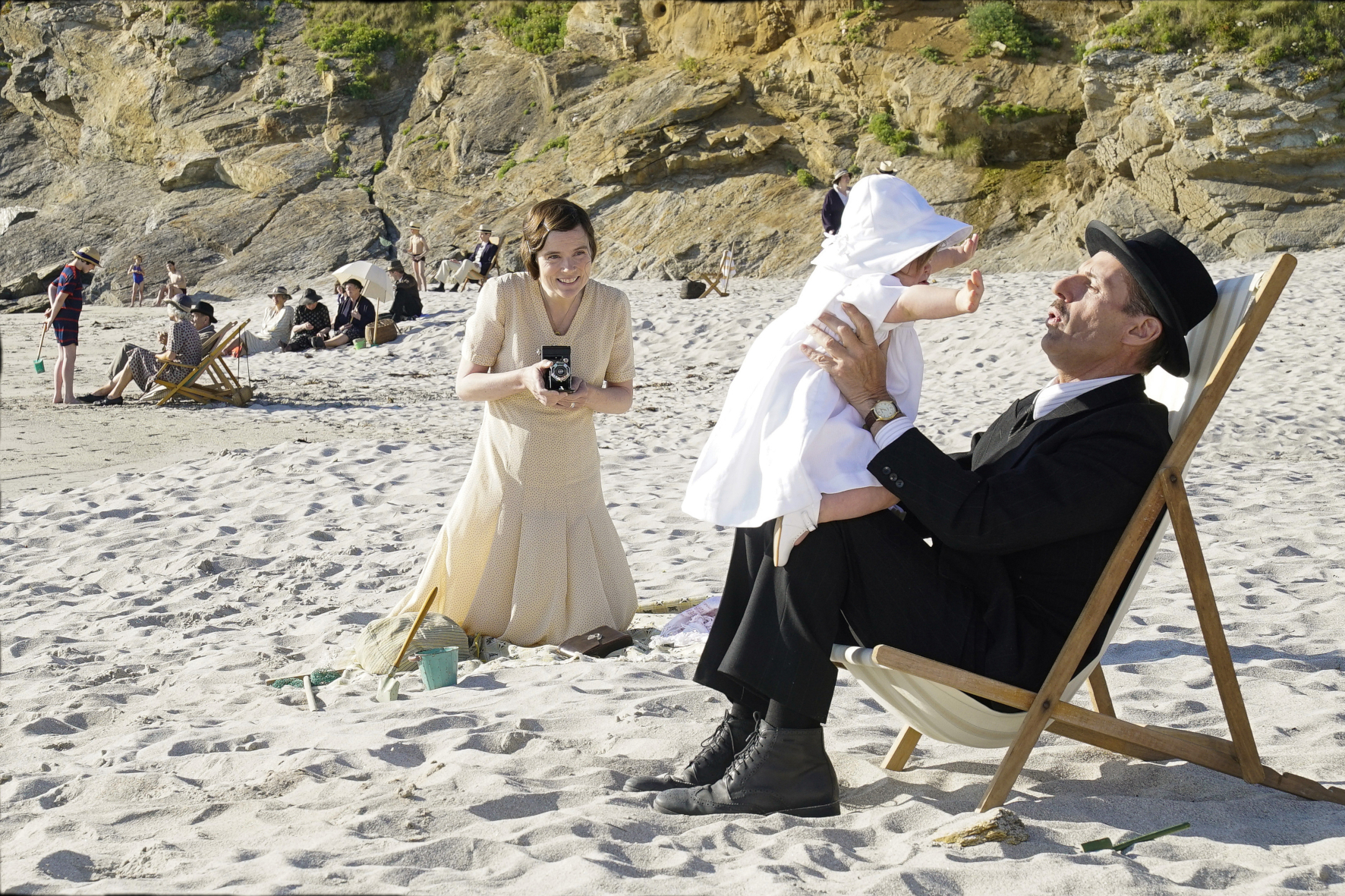
The film's only weak point is the few sprinkles of sentiment too many. A flaw that manifests itself mainly in an excess of violins and signs of televised romance that add nothing to the film's strength and detract from its aesthetic. As a result, the General's family destiny is almost more important than France's political destiny. Which is a pity, because the film is glorious precisely because it shows that love of country and love of family are linked. That they cannot compete with each other, but must be seen as complementary. Our first homeland is our family. And our language, as Camus said. Ah, de Gaulle... If only you could inspire our current statesmen.
Write to the author: jonas.follonier@leregardlibre.com
Photo credits: © JMH Distributions
 French
  German
  English