



The state of the debate in French-speaking Switzerland
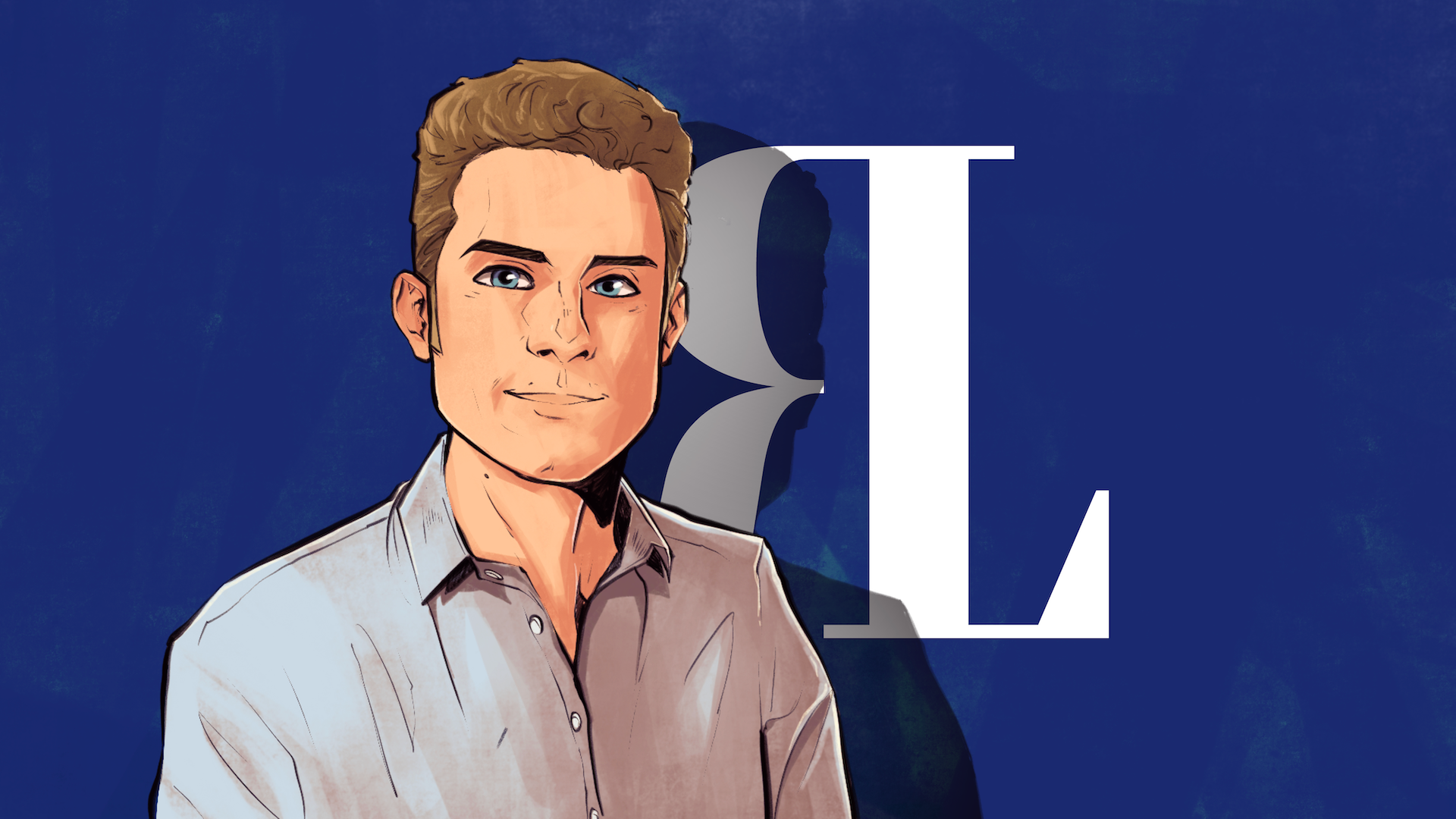
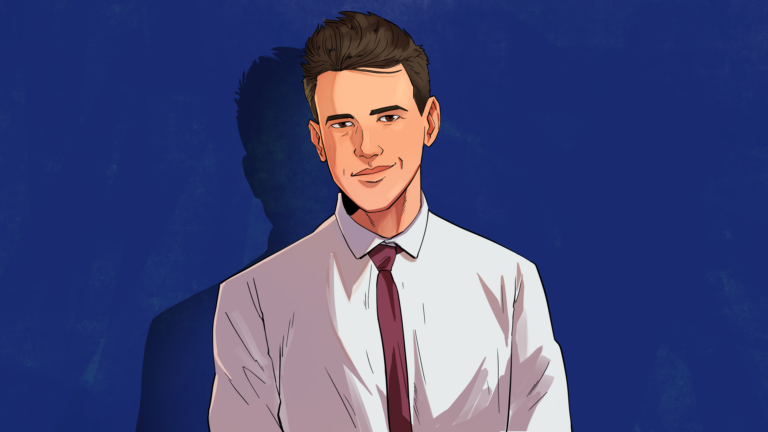
Drawing by Nathanaël Schmid for Le Regard Libre
Disappearance alert: where has the debate gone in French-speaking Switzerland? The question is put to you, dear readers. In fact, our e-mail addresses are always given at the bottom of our articles so that you can write to us. But one thing is certain: if you read Le Regard Libre, is that you're looking for debate. Ideas. Reflection. Background!
Is there a lack of debate in our part of the world? That depends on the level of debate. Let's start by noting that not everyone is interested in intellectual dispute, and that's only to be expected. Besides, ideas don't make the world, even if they do give it meaning. But for those who are interested, there is reason to wonder about the lack of intellectual vitality in French-speaking Switzerland.
At the institutional level, it is clear that the debate of ideas is becoming increasingly restricted. RTS's flagship political debate program «Infrarouge» is set to be broadcast only every two weeks from 2023 onwards, thinking is tending to become standardized in universities, and the mainstream media are bowing to the threat of a handful of activists, when they aren't simply abandoning thought in favor of focusing on facts... and, above all, clicks. And specialists in a given field are less and less inclined to don «wide-angle» glasses - fortunately, there are still some in the Cité, such as historian and jurist Olivier Meuwly, who are frequent guests in our columns.
«Outside the walls» debate explodes
But «outside the walls», the exchange of opinions is exploding! The best example is YouTube, where channels offering commentary on current events, humorous or otherwise, are multiplying. There are also fascinating interview formats, featuring personalities of varying degrees of commitment, from the radical left to the identitarian right. Dazzling insights come thick and fast. For example, Ralph Müller, a doctoral student in literature, who appears in Le Regard Libre with this issue, boasts over 40,000 subscribers to its societal analysis channel «The Cartridge».
Private parties, from pompous think-tank cocktail parties to watered-down merrymaking among friends, continue to offer fertile ground for conversation. Self-censorship is more problematic, more pernicious, than censorship: politics can do little to combat it. It is only through individual and collective introspection that we can grasp our betrayal of our own values.
It's a sign of the times that these two worlds - official, where little thought is given, and alternative, where more thought is given - find it hard to look at each other without contempt. And yet it would be in the best interests of our discussions if these complementary worlds were to enrich each other by pointing out each other's shortcomings.
It remains to talk about political parties. Their projects are supposed to be driven by ideas, ideologies even. And yet, in terms of differing positions within the same party, the two Swiss left-wing parties - the SP and the Greens - have a very different ideology. are characterized by a blatant homogeneityall their national elected representatives think broadly the same.
So we need to be more nuanced about the lack of debate in French-speaking Switzerland, which is the only way to... be nuanced.
Graduate in philosophy and journalist by profession, Jonas Follonier is the founder and editor-in-chief of the Regard Libre. Write to the author: [email protected]
You have just read an open-access article. Debates, analyses, cultural news: subscribe to support us and get access to all our content!

You'll also like
 French
  German
  English
Leave a comment