



Diagnosis? Love, for an indefinite period
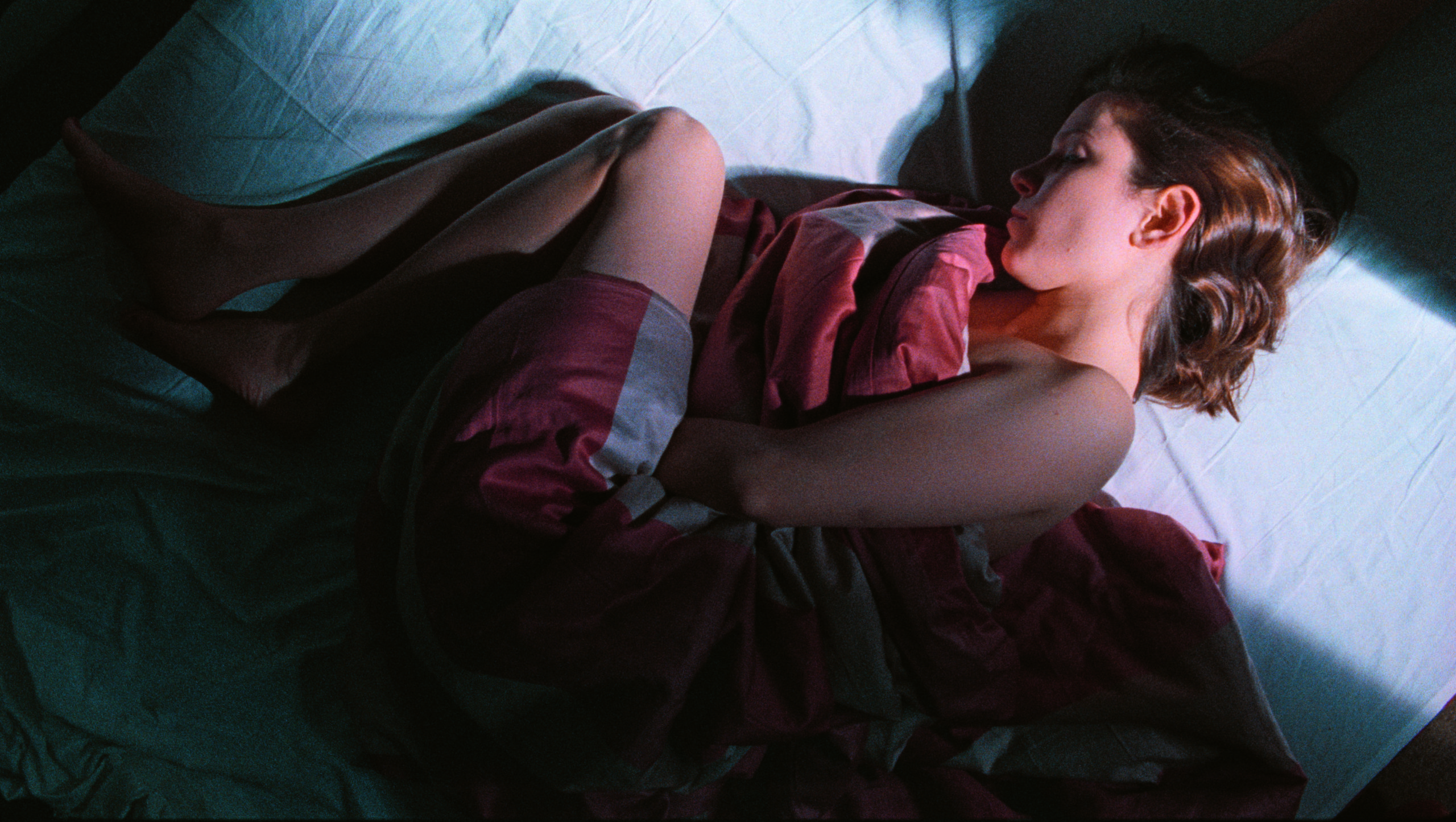
Cinema Wednesdays - Alice Bruxelle
Sylvia Plath; a neurosurgeon losing her mind; the anachronistic streets of Budapest: a winning trio? This is Lili Horvát's challenge in Preparations to Be Together for an Unknown Period of Time. Selected - but not nominated - as a Hungarian feature film for the Oscars, the film still holds up remarkably well thanks to its highly aesthetic direction.
But who is this Hungarian filmmaker named Lili Horvát? Already noticed at festivals for her first feature film The Wednesday Child (2015), she is back with a second: Preparations to Be Together for an Unknown Period of Time. She also appeared briefly as an actress in White God (2014) by Kornél Mundruczó Winner of the Cannes «Un certain regard» section, this young filmmaker has everything it takes to be part of the talented new generation of Hungarian directors. Preparations to Be Together for an Unknown Period of Time, a poetic title if ever there was one, is proof of this.
Read also | L’enfant, pièce manquante
Does love border on madness? Is madness really love? George Sand settled the question in her novel Antonia en 1862: «L’amour est une folie; mais, quand elle est incurable, il faut céder, et je cède». Plus de cent-cinquante plus tard, ces questionnements n’ont rien perdu de leur force artistique. Ce no man's land, between love and madness, which Lili Horvát directs in her latest film.
Welcome confusion
After quoting a verse from the poem Mad Girl's Love Song by Sylvia Plath, we meet Márta, a forty-something Hungarian turned neurosurgeon in the United States. «I don't know if you can call it love, but I'm about to turn forty and I've never felt anything like it before» are Márta's first sentences. Her heart collided with that of a man, János (Viktor Bodó), also a neurosurgeon, whom she had met in the USA.
They exchanged nothing, except an appointment to meet some time later in Budapest on the eastern side of the Freedom Bridge at 5 p.m. sharp. Márta goes there. No one was there. She runs into him at the university hospital where he now works, but he doesn't recognize her. From then on, Márta's reality dissolves. Has her mind invented everything? Has she gone mad?
And so begins a psychic tipping point in which fantasies, desire and voyeurism sow havoc in the well-ordered life of this woman whose personality centers solely on her obsession with this man. Horvát wanders the viewer with undisguised pleasure, throwing out contradictory clues that make the construction of the truth delightfully difficult, if not impossible. Sometimes Márta spots János on a street corner, sometimes it's a hallucination, sometimes she thinks they're meeting in her apartment, sometimes she wakes up confused the next day with no apparent proof of his presence.
It is in this tortuous dialogue between truth and fantasy that Horvát attempts to engage his viewers. This mixture of truth and falsity is based not only on the narrative, but also on artistic processes, notably the choice to shoot in 35mm format. In addition to its aesthetic quality, reminiscent of the early days of cinema, the imperfection of the images rendered by silver film creates an atmosphere of mystery, secrecy and uncertainty, calling on the imagination to fill the void. In short, the imagination of the tortured lover is constantly piqued, torn between two psychological extremes: hope and despair. The filmmaker takes pleasure in never relieving this psychological tension, notably through a skilfully mastered play of light and shadow that projects these two bipolar realities onto Márta.
Music as an invisible thread?
The filmmaker called on Hungarian composer Gábor Keresztes to create the film's sober original score, without overpowering the artistic power of the photography. A few subtle, unobtrusive piano notes intertwine with Márta's attempts to get closer to János. In addition to the soundtrack, diegetic music forms the invisible cord linking the two protagonists together. It is through this medium that the two characters grow closer. A few notes of Letter to Elise twice as telephone music when Márta is trying to reach János, or the first lied of the cycle Winterreise of Schubert coming out of a record player sitting side by side in their first real encounter.
This process can also be found in the filmography of Krzysztof Kieślowski, whose admiration Horvát makes no secret of in his interviews. Music, a central element of the Polish director's work thanks to his collaboration with composer Zbigniew Preisner, is an invisible link connecting the solitary characters in Kieślowski's cinema, notably in Blue (1993), where the porosity between diegetic and extra-diegetic music is an exceptional feature.
But Kieślowski is not the only wink. Márta is reminiscent of the character Adèle in L’Histoire d’Adèle H. (1975) by François Truffaut in its intense despair and obsession with seeing herself one day married to Albert Pinson. But there are also more subtle references to great female directors (or maybe I'm fantasizing too). The name Márta for the pioneering Hungarian female director Márta Mészáros. And why not see the Sylvia Plath quote in the preamble as a friendly hug to Letters Home (1986) by Chantal Akerman? Horvát is no stranger to admiration for these two directors.
Much more than a story between two beings struck by the force of love, Preparations to Be Together for an Unknown Period of Time is first and foremost a declaration of love to cinema itself. Let's be together for an indeterminate period with Lili Horvát and her public, yes, and let's hope it lasts.
Write to the author: [email protected]
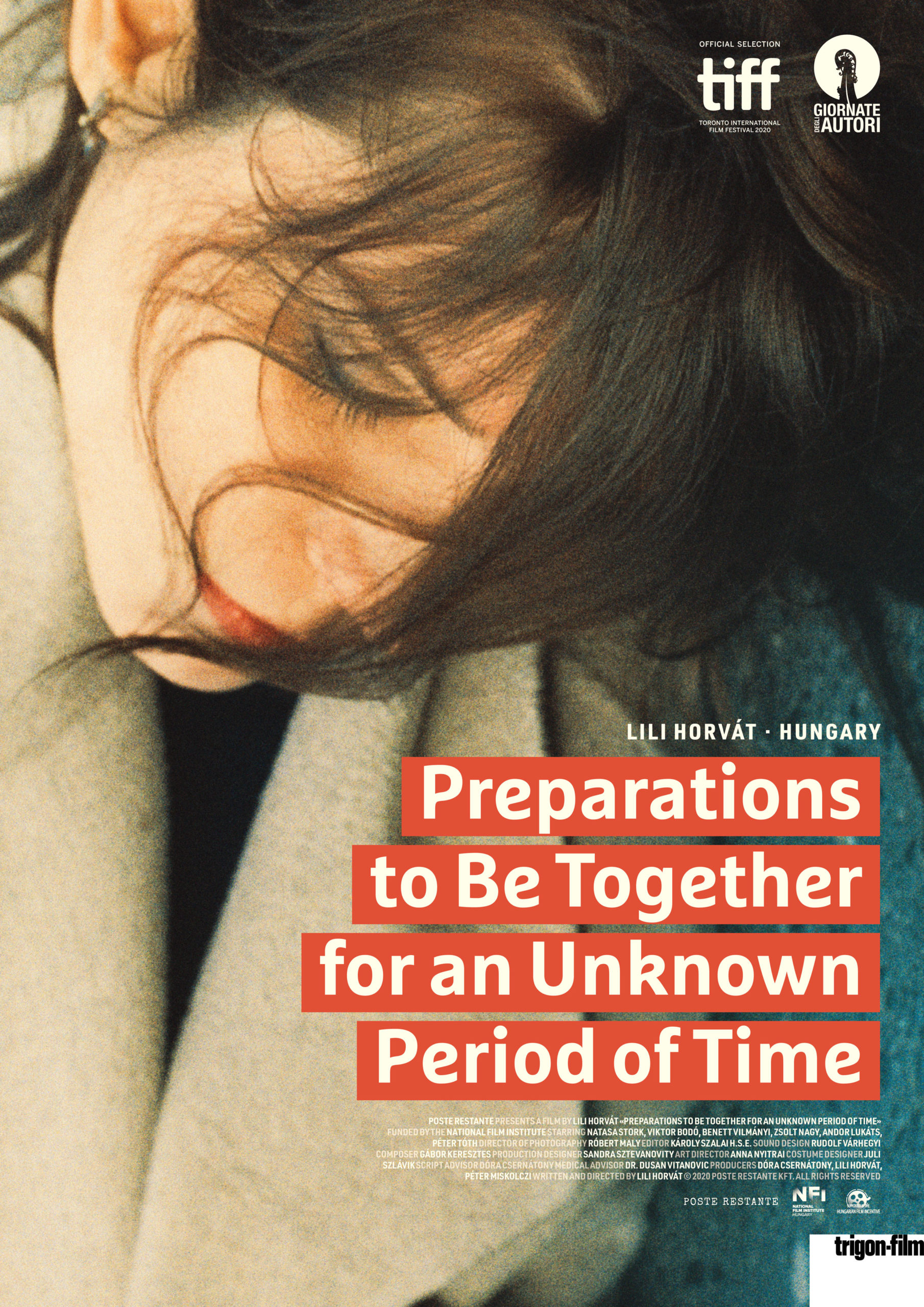
Photo credits: © trigon-film.org
You'll also like

 French
  German
  English
Leave a comment