



AI skills insurance for all assets?
Photo: Unsplash
Technological innovations are reshaping the job market and making certain career paths more fragile. Should we create a new insurance scheme to finance the ongoing adaptation of skills?
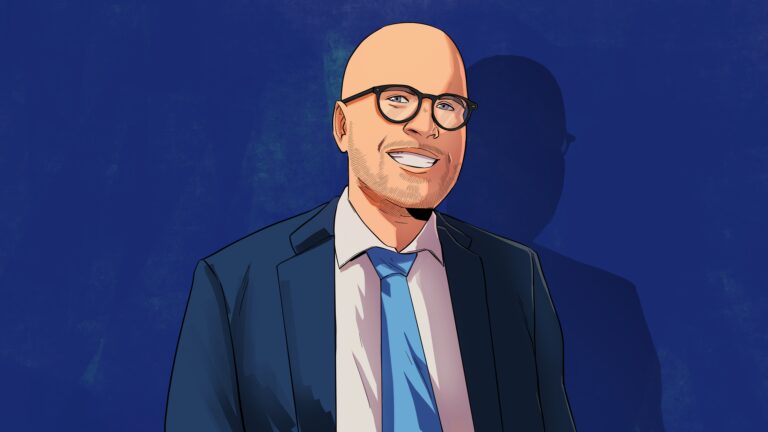
Isabelle Chappuis
National Councillor (Le Centre/VD)
Yes. History has a lesson to offer us. Faced with the upheavals of the second industrial revolution, our predecessors invented unemployment insurance to cushion the social shock, and adapted training systems to the new trades of the industrial era. It took several decades for these responses to take hold. Decades of trial and error, resistance and avoidable social chaos. We no longer have that luxury. The third industrial revolution – driven by artificial intelligence (AI) and robotics – is overturning professions at an unprecedented speed. For generations, training acquired in youth was sufficient for an entire career. This linear world no longer exists. Some professions still allow continuous training and remain relevant. Others could disappear overnight. And no one knows which. Faced with this unpredictability, neither individuals nor companies can manage this challenge alone: the former lack the means, the latter the long-term vision. The market will not correct itself, and individual responsibility will not suffice. Our social system needs updating. Supplementing unemployment insurance with skills insurance – accessible to all working people, collectively financed, with clear rights and conditions – is no longer an option, it's a necessity. The role of the state is not to manage everything, but to coordinate and make possible what neither individuals nor the market can achieve on their own. Continuous training and the ability to reorientate oneself will guarantee tomorrow's social cohesion.
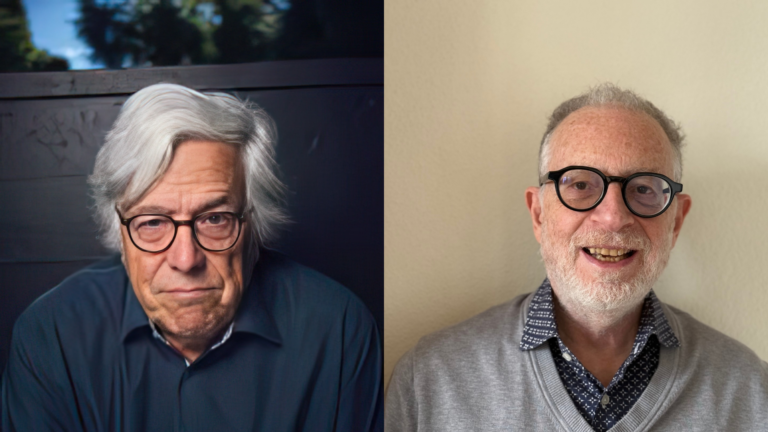
Marco Taddei
Director for French-speaking Switzerland, Union patronale suisse
No. Artificial intelligence (AI) casts a shadow over the job market. Its impact on job profiles and the spectre of mass unemployment are arousing the worst fears. Against this anxiety-inducing backdrop, some are calling for the introduction of skills insurance. Is this really the solution? In our opinion, no. There's no need to extend the perimeter of the welfare state: unemployment insurance already provides courses and training allowances to improve the employability of jobseekers. Since 2017, Switzerland has had a successful continuing education law. A new insurance scheme risks increasing the cost of labor. The cost of too much for companies who are suffocating under the weight of ever-increasing compulsory levies. This insurance is all the more unjustified given that not all working people are on the same footing. As a 2025 study by the International Labor Organization shows, only 25% of jobs worldwide could be transformed by AI. Highly skilled professions, such as programmers, engineers and lawyers, are the most affected. What's more, the study shows that, like other major technological innovations, AI is both destruction and creation. This opens up new opportunities for many workers, with more creative and less arduous tasks at stake. This is provided that skills are rapidly updated in professions exposed to the new technology. In Switzerland, the new’AI business specialist with a federal diploma points the way forward.
Every month, our journalist Pablo Sánchez brings together two personalities at odds with each other, whether or not they are members of the editorial team. Regard Libre.
You have just read a debate contained in our paper edition (Le Regard Libre N°126).
You'll also like


 French
  German
  English
Leave a comment