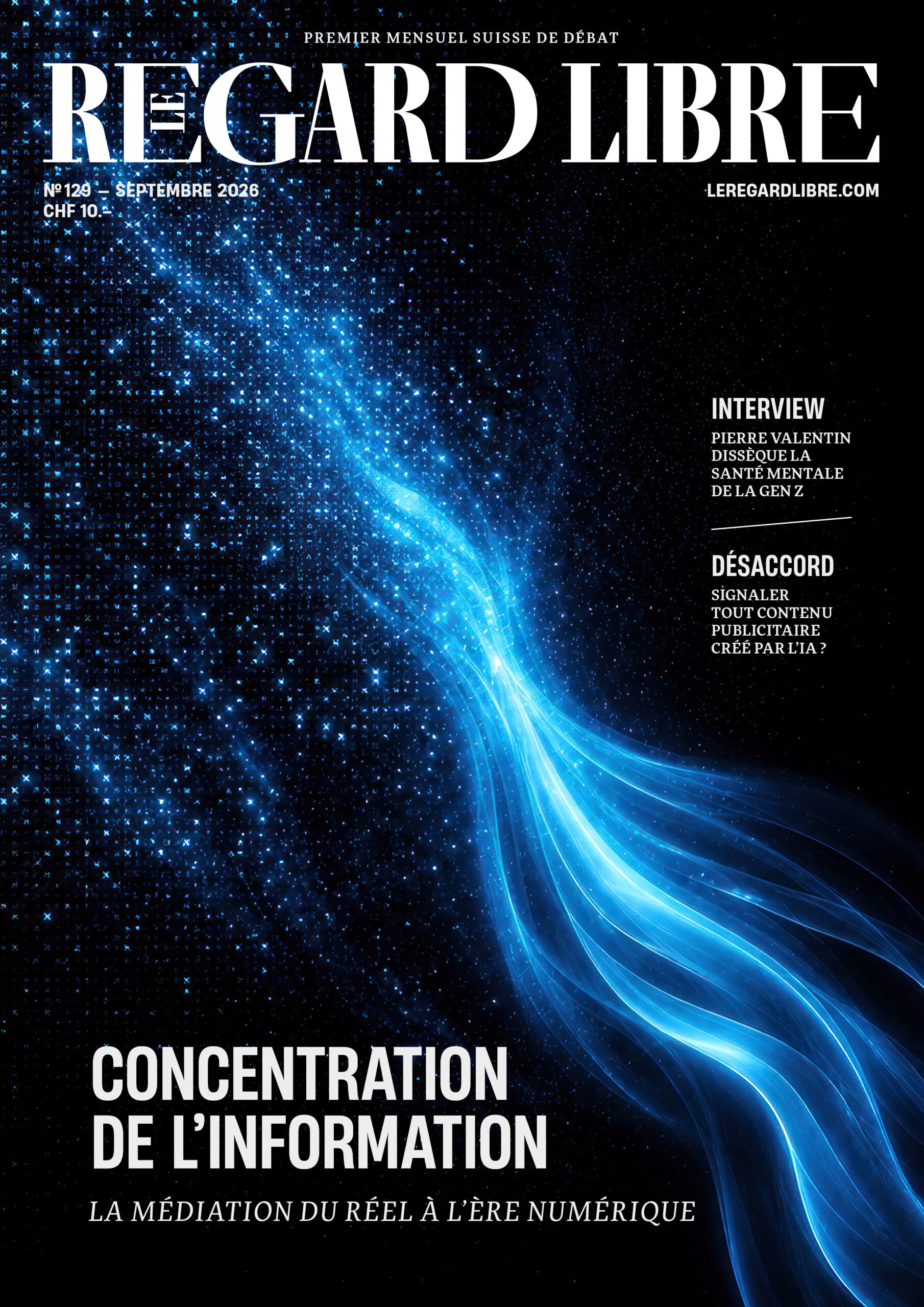




Sibylline staging
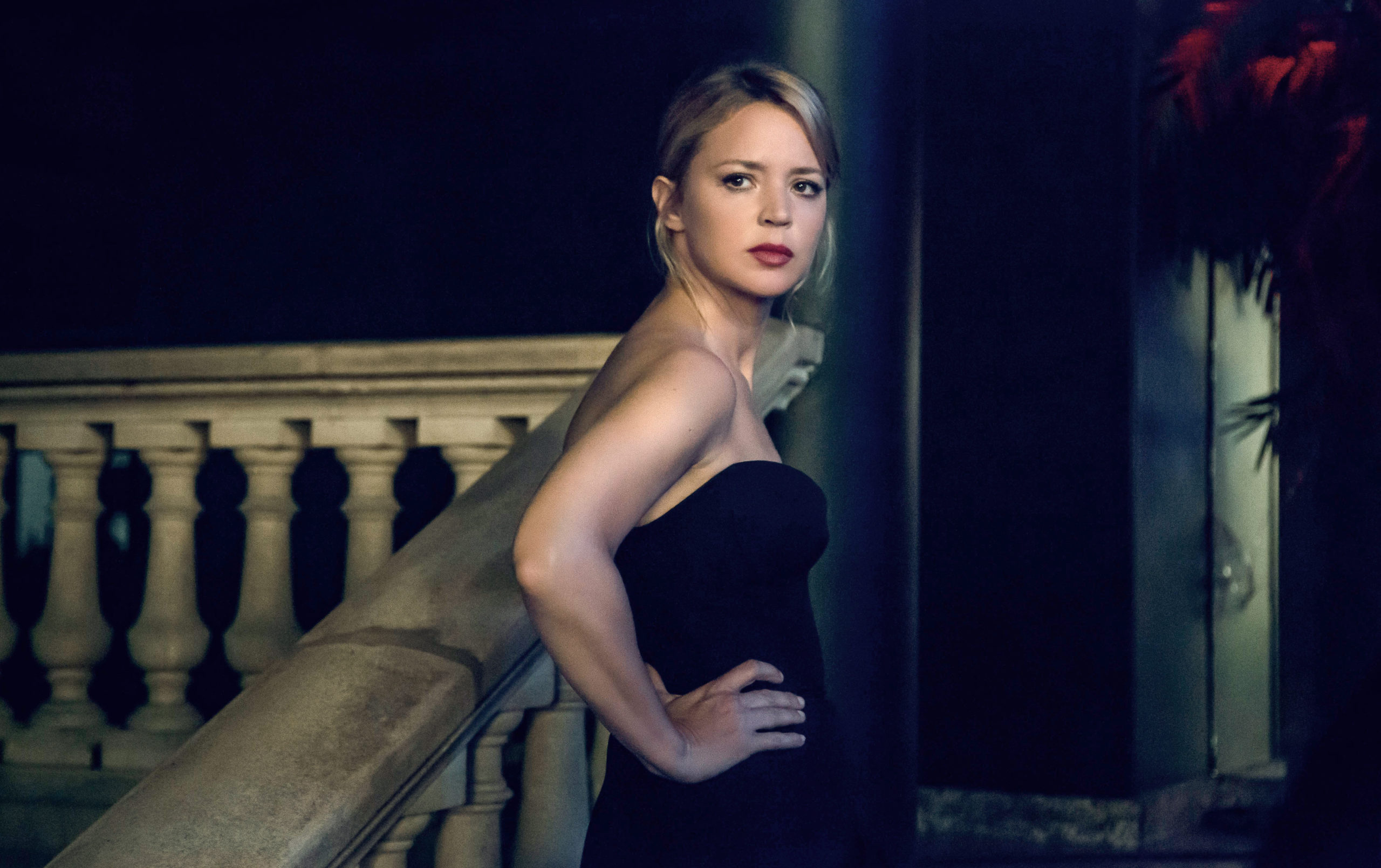
Cinema Wednesdays - Lauriane Pipoz
Sibyl is a woman who has everything going for her: a former successful novelist turned psychoanalyst, she's the mother of two children and lives with her boyfriend in a beautiful apartment. But her desire to write is looming like an ominous shadow, threatening her well-ordered life.
After leaving her patients, just as she’s searching for inspiration, a phone call from a desperate actress comes at just the right moment. With this new patient in a bizarre situation—pregnant by the film’s lead actor, who is married to the film’s director— she will be swept up in a whirlwind of emotions and memories, in which she sets aside her professional ethics by recording her sessions and her moral compass by getting involved in her patient’s life.
Mirrors from Sibyl's Fragmented Interior
Virginie Efira, which carries the entire film Sibyl, is dazzling in the lead role. She masterfully portrays the character’s various facets: at times a self-assured woman when she transforms into a sultry lover, at other times a lost woman when we see her on her psychoanalyst’s couch—all without ever seeming inconsistent. For there is an obvious duality in the main character: a former alcoholic who cannot forget the all-consuming passion she shared with her ex-partner and who now finds herself trying to find balance through Alcoholics Anonymous meetings and a new, supportive partner.
Read also | Victoria or the’genre writing
These multifaceted dimensions are reflected in the film’s many characters: her partner represents her guilty conscience when she leaves her patients; her psychoanalyst, her reason when he criticizes her for her lack of professional ethics; and her sister, her complicated relationship with her family. The various characters thus reveal the fragmentation of Sibyl, who no longer knows who she is or where she is going. Her present becomes intertwined with her past: the narrative is punctuated by flashbacks, which show the viewer why the present of the lost actress echoes Sibyl’s past.
Justine Triet also uses music to reveal important details about the lives of her film’s two main characters. Some scenes shown in flashbacks are thus silent, leaving it to the protagonists of the present to tell their own truth. Which is sometimes unclear, since the characters themselves are no longer sure what is true and what is not. These short shots sometimes follow one another in rapid succession, symbolizing the inner turmoil in which Sibyl is caught. A woman who mistakes her life for fiction and her fiction for reality.
«I’ve come to realize that my life is a work of fiction. I can shape it however I want, since I’m at the center of every decision.»
Write to the author: [email protected]
Photo credits: © Filmcoopi
| SYBIL |
|---|
| FRANCE AND BELGIUM, 2018 |
| Production: Justine Triet |
| Screenplay: Arthur Harari |
| Interpretation: Virginie Efira, Adèle Exarchopoulos |
| Production: David Thion, Philippe Martin |
| Distribution: The Pelléas Films |
| Duration: 1h40 |
| Output: May 24, 2019 |
You'll also like


 French
  German
  English
Leave a comment