



Cyrano's Panache in De Gaulle and Samuel Paty
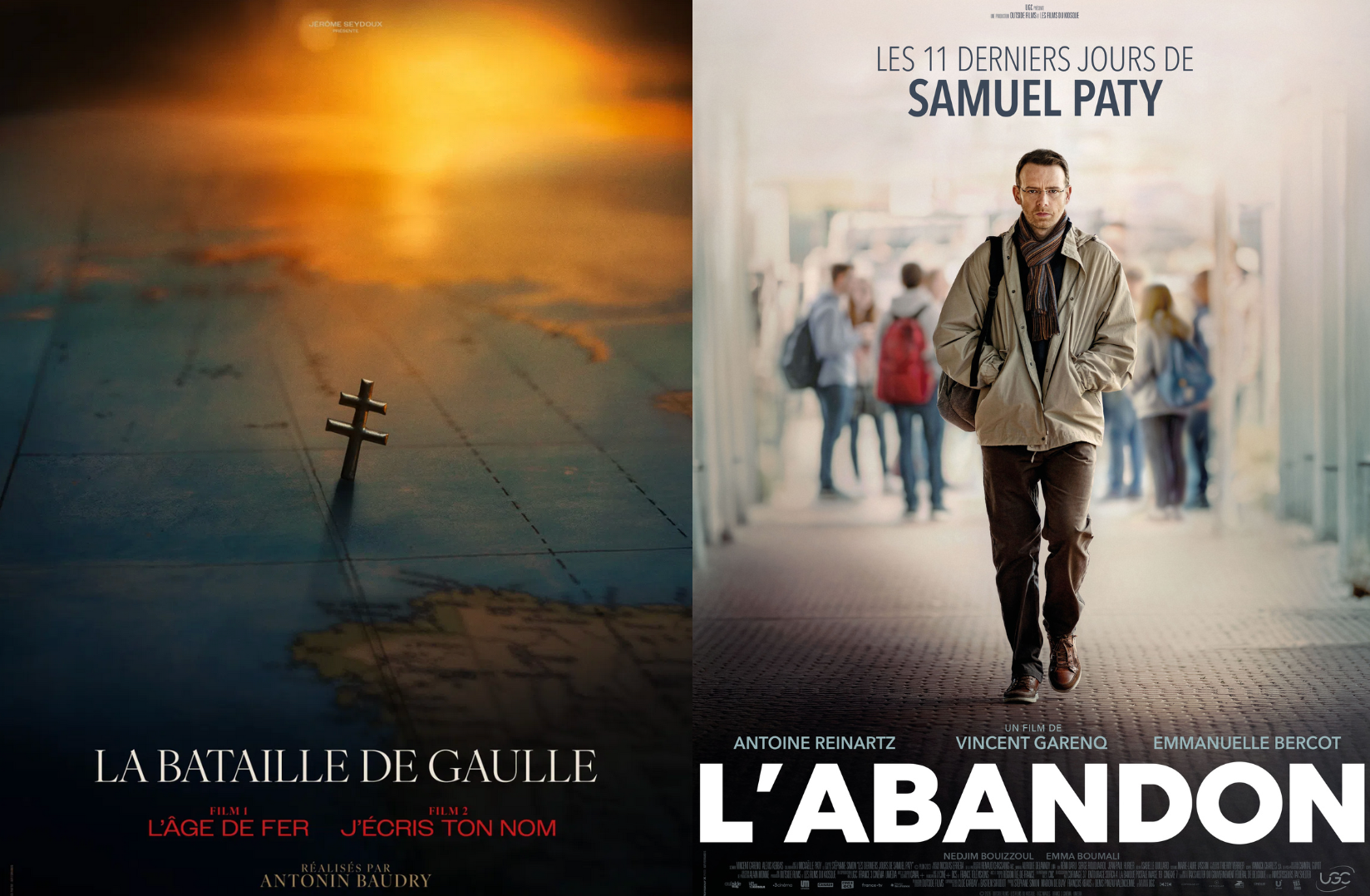
Two figures associated with the Republic and the French national narrative: General de Gaulle and Samuel Paty. Photo: Pathé / Les Kiosques du Monde
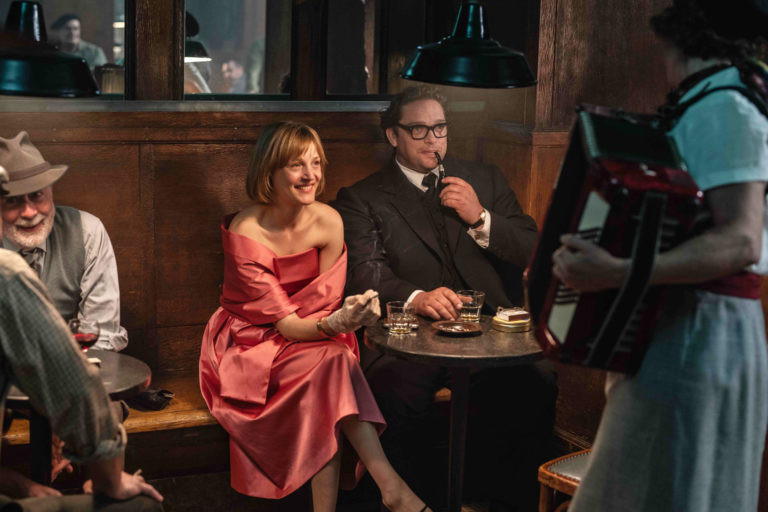
The Battle of Gaulle and Abandonment, two films that seem to echo one another and carry on a long-standing French tradition: that of glorifying magnificent underdogs.
Charles de Gaulle and Samuel Paty. The general who established the Fifth Republic and the teacher murdered for his ideals. Is it just a coincidence that The Battle of Gaulle and Abandonment share the spotlight. It is nevertheless tempting to draw a connection between these two films given the current political context: France is torn over its founding ideals, and politicians of all stripes claim to represent the Republic, its slogans, its traditions, and its heroes. In this regard, both Charles de Gaulle and Samuel Paty are figures to whom people refer in order to establish their political legitimacy.
Two films, two heroes: the war hero, who saved the dignity of a humiliated nation, and the ordinary man, considered to have «died for France»—so unbearable is the thought that he might have died in vain.
Each embodies, in his own way, a cultural archetype that dates back, at the very least, to *Cyrano de Bergerac*: when Edmond Rostand’s hero with the peninsular nose was introduced to the public in 1897, the country was torn apart by the Dreyfus Affair and was barely recovering from the humiliation of Sedan, a bloody debacle that Émile Zola attributed to the incompetence and moral intransigence of military leaders who were out of step with the times.
Moreover, the War of 1870 continued a long national tradition, from the battles of Crécy (1346) and Agincourt (1415) to the Maginot Line and the «strange defeat» of 1940 chronicled by historian Marc Bloch. The heroism of the French soldier is constantly sacrificed to the orders of inept and/or arrogant leaders—whether under the arrows of English archers, in the mud of the Russian steppes, under the bullets of Prussian rifles, or against the tanks of the Wehrmacht.
Panache, or the Glory of the Vanquished
Cyrano becomes a redemptive figure for a humiliated nation, which sees in him a hero whose panache and glory are all the more sublime because his courage is futile, his bravery outdated, and his sacrifice in vain. In Act V, Scene VI, Cyrano exclaims:
«Que dites-vous?… C’est inutile?… I know that!
Mais on ne se bat pas dans l’espoir du succès!
Non! non! c’est bien plus beau lorsque c’est inutile!»
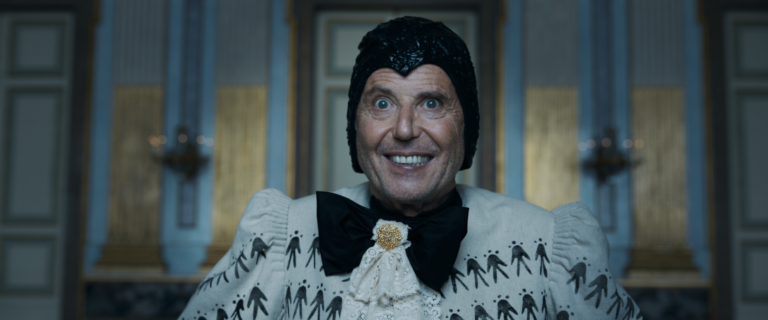
The biopic about De Gaulle highlights the quixotic nature of this obscure general—without a command or an army—desperately trying to make himself heard by Churchill and Roosevelt and to maintain the illusion that France had not been defeated. The grandiloquence of the direction contrasts with the character, who aims to be flamboyant but is also a bit awkward and a bit absurd.
Abandonment tackles the absurdity of sacrifice with greater restraint: the film unfolds the chain of events that led to the bloody murder of an ordinary teacher, executed by a fanatic who did not know him and who acted on the basis of a lie. The film adopts an almost documentary-style approach to avoid dramatizing the story, but seeks to convey a message of unity, brotherhood, and universalism—in short, a certain vision of the Republic.
French cinema has a knack for inserting itself into key moments in the political debate with historical films that challenge some people’s convictions or advance the political ideas of others: La Grande Illusion («The Great Illusion») Jean Renoir's film was censored in occupied France for «anti-patriotism» and declared «cinematic enemy number one» by Goebbels, who hated its message of peace and universal brotherhood. The Battle of Algiers Gillo Pontecorvo's film was banned for a time from French theaters for its unsparing portrayal of the horrors of decolonization, while Sorrow and Pity shattered the Gaullist myth of France as a nation of resistance.
It remains to be seen whether Abandonment or The Battle of Gaulle will have the same cultural impact, a year ahead of presidential elections that are shaping up to be a turning point.
Every month, our film review Jocelyn Daloz explores the seventh art in its socio-historical context.
You have just read an open-access column from our print edition (Le Regard Libre No. 128). Debates, analysis, cultural news: subscribe to support us and access all our content.
You'll also like


 French
  German
  English
Leave a comment