



Ingeborg Bachmann, the uncultivated couple
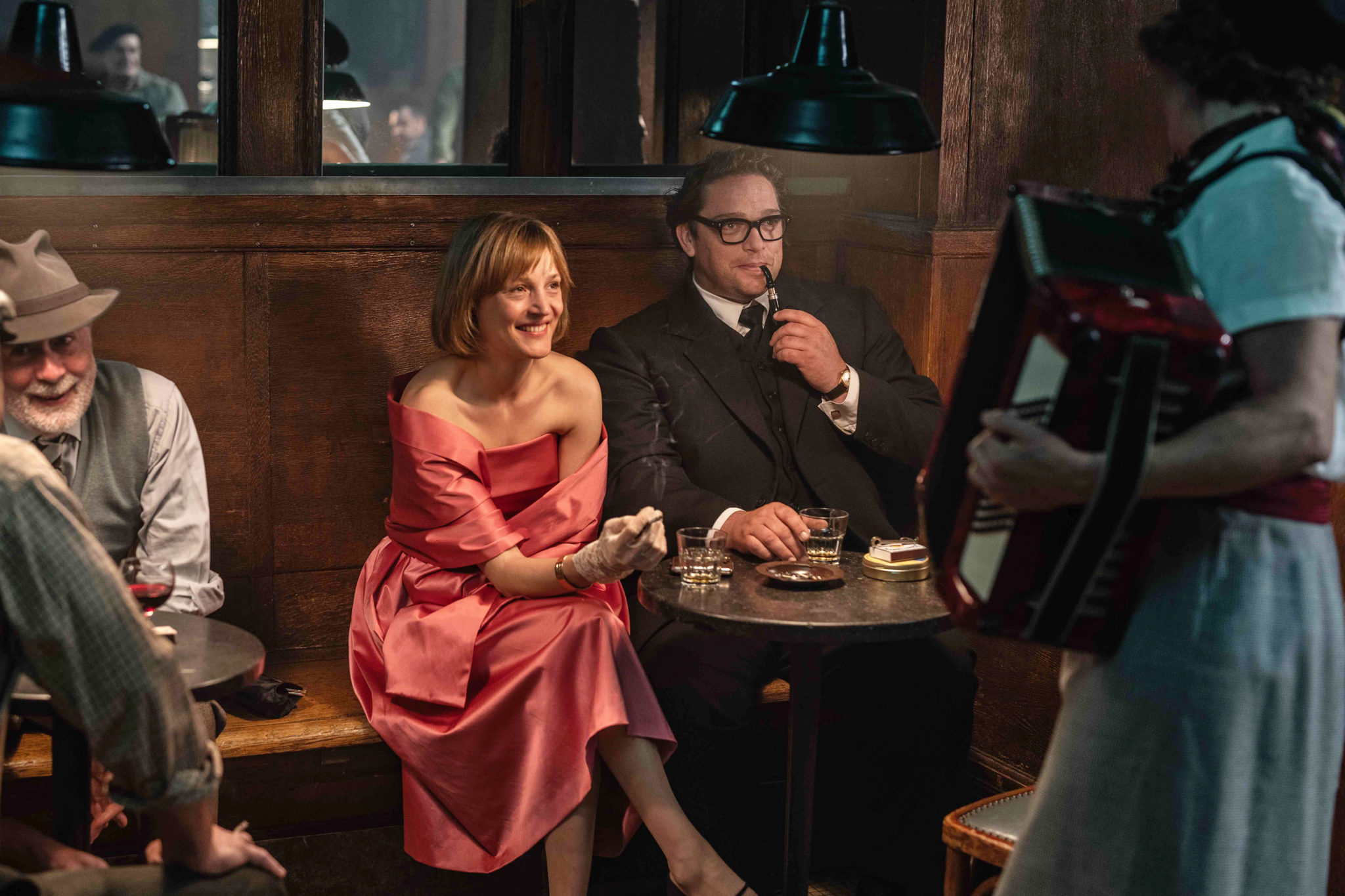
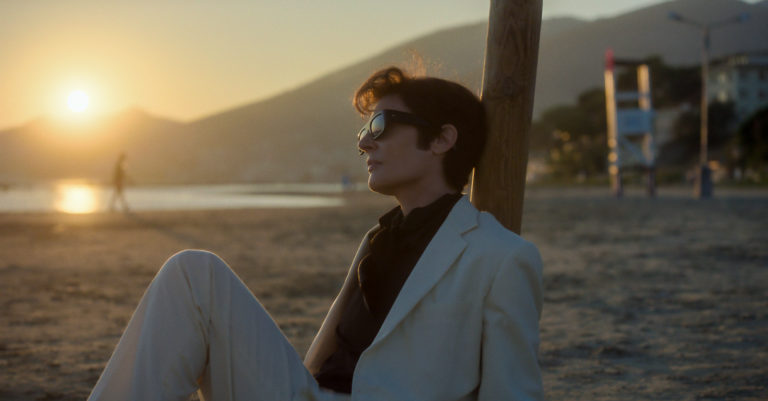
Vicky Krieps and Ronald Zehrfeld in «Ingeborg Bachmann. From Desert to Desert» (Margarethe von Trotta, 2024)
The octogenarian director Margarethe von Trotta, figure of the new German cinema, signs a relentless and gripping biopic on the relationship between two other major protagonists of the world of German letters of the XXth century.th century: Ingeborg Bachmann and Max Frisch.
With Ingeborg Bachmann - From desert to desert, After Rosa Luxemburg (1986) and Hannah Arendt (2012), Margarethe von Trotta is once again dedicating a work to a great lady, one of the pioneers of the Frauenfilm (a German feminist film movement of the 70s and 80s). Unveiled in 2023 at the Berlinale, the film recounts the brief but intense love affair between the Austrian poet and the Swiss writer. By alternating eras and shattering mirrors, the film uses diffraction to reveal a raw sensibility.
A stormy, unstable relationship peppered with spikes
After meeting Max Frisch (Ronald Zehrfeld) in Paris in 1958, Ingeborg Bachmann (Vicky Krieps) joins him a few months later in Zurich, in his lakeside apartment. Their married life soon chewed up their idyll, them like two overripe fruits, spoiling each other to the point of withering. A typewriter too noisy, habits too far removed from her own, a daily routine too ataraxic - everything oppresses Ingeborg Bachmann, to the point of stealing her inspiration.
But the film doesn't show Ingeborg Bachmann locked into a condition, a domination, a psychological hold or a standard patriarchal schema (although there are markers of this, acting as reminders, for example when Max Frisch reproaches her for not welcoming him with a proper meal on the table). On the contrary, the film brings to the screen the protagonist's aborted desire to escape, letting us see her constant search for truth smash against the walls of communal life shaped by centuries of propriety.
Max Frisch is not portrayed as a torturer, a narcissistic pervert or an ogre, but rather as an Olympian shadow, crushing even fate. In fact, he's the only man with whom she's ever shared a household.
Seeking feminism beyond machismo
The film's feminist angle is therefore not to blame Max Frisch's machismo for Ingeborg Bachmann's relationship malaise, but rather to show her ideals of independence shattered, pierced by the sharp claws of a conservative society's habitus. Ingeborg Bachmann seeks the same thing in relationships as she does in poetic writing: an impossible dialogue. She wants to be able to live every imaginable life, not to be predestined for something, not to be a slave to her destiny. To the point of taking this utopia to the desert sands.
For a long time, Max Frisch was blamed for Ingeborg Bachmann's death. However, the thousand pages of correspondence between the two, published in 2022, reveal a relationship that was envenomed by both, with no major culprit. It should be pointed out, however, that Margarethe von Trotta did not have the correspondence between the two authors at the time she wrote her screenplay. So this is not a film against Max Frisch, but about an era's inability to make the couple's household the territory of women's aspirations to freedom.
Write to the author: quentin.perissinotto@leregardlibre.com
You have just read an open-access review published in our print edition (Le Regard Libre N°110). Debates, analyses, cultural news: subscribe to support us and get access to all our content!
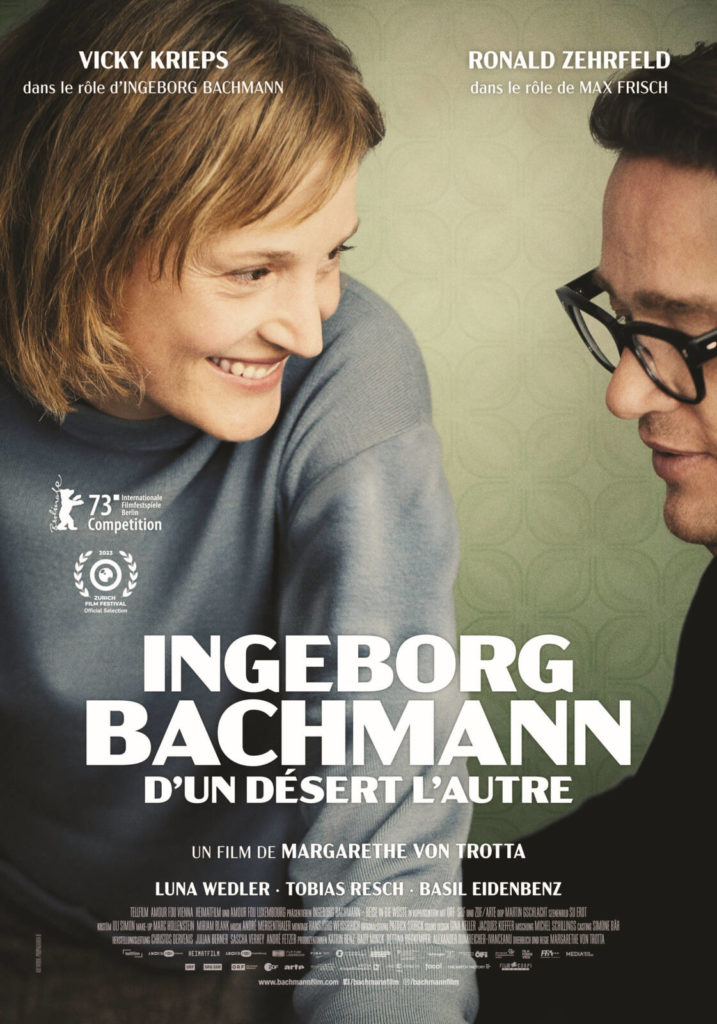
Margarethe von Trotta
Ingeborg Bachmann - From desert to desert
With Vicky Krieps, Ronald Zehrfeld, Tobias Resch
August 2024
111 minutes

You'll also like

 French
  German
  English
Leave a comment